

A coastal cottage holiday sounds simple: a cottage, the sea, and a week of doing very little. In practice, the word coastal covers everything from a cottage with its front door on the sand to a house two miles inland that happens to sit in a seaside postcode. The difference between those two stays is the difference between a wonderful week and a week of driving to the beach and wondering why the sea view in the photographs never appears from the sofa. This guide explains what to check before you book.
The advice here is about choosing the cottage, not listing properties. Regions matter, and our Cornwall coastal bases guide covers the best places to stay on that coast. This guide covers the features that decide whether any coastal cottage suits your party: the view, the walk to the water, the path, the dog rules, the weather, and the price. If you are new to self-catering, start with our self-catering accommodation guide.
What Makes a Cottage Coastal, and Why the Word Alone Means Little
There is no official definition of a coastal cottage. A listing can call itself coastal because it sits in a coastal village, because the sea is visible from an upstairs window, or because the beach is a short drive away. None of those is wrong, but they describe very different holidays. Before you fall in love with a photograph, decide what coastal means to you: a sea view, a walk to the beach, or simply being near the coast.
Think of it in three levels. A beachfront cottage opens more or less straight onto sand, shingle, or a promenade. A sea-view cottage sits close to the water, but the beach may be a short walk down steps or along a lane. A coastal village cottage is in a seaside village, with the beach a walk or a short drive away. All three can be excellent stays; the mistake is paying beachfront prices for a coastal village location. Read the description like a detective: look for distances in metres rather than minutes, and for the words steps, slope, lane, and cliff path. If it is vague on all of these, ask the owner before you pay a deposit.
Sea Views, Decoded: What the Listing Words Really Mean
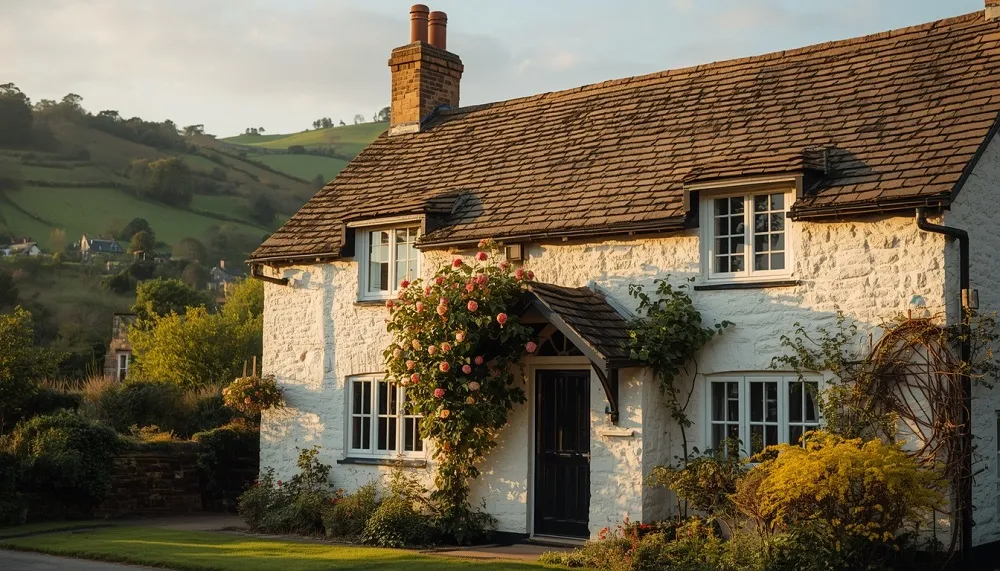
Sea view is the most stretched phrase in coastal listings, so it pays to decode it. An uninterrupted sea view usually means nothing stands between the cottage and the water. A partial sea view often means you can see the sea from an upstairs bedroom window. A sea glimpse is a sliver of water visible if you stand in the right spot. None of these is dishonest, but they are very different products, and the price should reflect the difference.
The question that matters most is the sitting-down view. Can you see the sea from a chair in the living room, or only from the upstairs landing? A view you can only enjoy standing up is a view you will barely use on a rainy evening. Photographs deserve the same scepticism: wide angle lenses make balconies look large, and a photograph taken from the cliff path can suggest a view the cottage itself does not have. Look for photographs taken from inside the rooms. Sea-view cottages command a premium, so make sure it buys a view you will actually sit and look at.
How Close Is the Beach, Really? Distance, Steps and Slopes
Distance to the beach is usually given in minutes, and minutes are unreliable. A cottage described as five minutes from the beach could sit above a steep hill or a long flight of steps. Before you book, open a map, drop in the postcode, and trace the actual walking route. Street view will show you what the listing hides: a lane with no pavement, a flight of steps, or a slope that turns a beach trip with a pushchair into a workout.
Height is the hidden cost of a sea view: elevation comes with steps. Count them before you commit, particularly if anyone in your party has limited mobility or you are travelling with a pushchair. Some cottages sit ninety steps above a cove, which is glorious until you carry the shopping back up them. Ask how many steps there are between the parking space, the front door, and the beach. Traditional coastal cottages often have tight staircases and uneven thresholds, so ask about step-free access. Ask about parking too: a roadside space may mean a narrow lane where you reverse uphill in the dark, so check whether it is dedicated and whether it fits your car.
Beach Access: Sand, Rock, Harbour and the Tide Question
Not all beaches are the same, and the type of beach shapes the whole holiday. A sandy beach suits families with small children and dogs that love to run. A rocky or shingle beach suits rockpooling and quiet walks, but it is hard on bare feet and pushchair wheels. A harbour beach is small and sheltered, but it can disappear at high tide. A cove reached down a cliff path is beautiful and private, but the climb back with wet towels is part of the deal.
Tides catch out more coastal visitors than almost anything else. Some beaches vanish completely at high tide, and some coves can only be reached safely for a few hours around low tide. Check the tide times for your dates, and never let children or dogs explore a cove without knowing when the tide turns. Noise is the other common surprise: gulls nesting on chimneys from first light, delivery vans at seven in the morning, and pub gardens emptying at midnight. If you are a light sleeper, ask which side of the cottage the bedrooms face.
Coastal Path Cottages: Walking Straight From the Door

For walkers, the best coastal cottages are the ones where the path starts at the front door. The South West Coast Path runs for 630 miles around the south west peninsula, with the Cornwall section alone covering over 300 miles. The Anglesey Coastal Path is a 125-mile circuit of the whole island, almost all of it dog friendly. A cottage on or near one of these paths turns every morning into a walk with a sea view, without ever moving the car.
Dogs by the Sea: Beaches, Restrictions and What to Pack
A coastal cottage is often the first choice for dog owners, and with good reason: beaches, coast paths, and dog-friendly pubs are the raw material of a happy dog holiday. But the rules are seasonal. Many UK beaches restrict dogs from May to September, while the same beaches welcome dogs freely outside that season. Some beaches allow dogs all year round, for example parts of Breakwater Beach in Brixham, while others nearby, such as Shoalstone Beach, welcome dogs only from October to April. Check the rules for the specific beach near your cottage, for your exact dates.
The cottage itself needs the same checks as any dog-friendly stay. Confirm how many dogs are accepted, whether there is a pet fee, and whether the garden is enclosed and secure. A garden that ends in a cliff edge is not a safe garden for a dog, however pretty the view. Hard floors help with sandy paws, and an outdoor tap for washing off salt and sand saves the furniture. Pack a long lead for cliff-top sections, a towel for every beach trip, and fresh water. Check the tide times before you let a dog swim: strong currents are a real risk on some beaches. Our dog-friendly cottage guide covers enclosed gardens, pet fees, and the questions to ask before you book.
Families by the Coast: What Changes With Children

A coastal cottage suits families well, but the features that matter shift when children are in the party. A sandy beach within a short, flat walk matters more than a dramatic cliff-top view. An enclosed garden matters more than a balcony, since a balcony is magical on still mornings and all but unusable in a south-westerly gale, and you need to check which way it faces and how high the railings are. A garden gives you shelter and drying space for wetsuits and towels, but check whether it ends in a cliff edge.
Rainy days need a plan, because the British seaside has a long tradition of being glorious one minute and soaking the next. A good family cottage needs books, board games, decent Wi-Fi, and a drying space for wet beachwear, plus a highchair and stair gates if you need them. Safety deserves a frank word too: cliffs, harbours, and tidal beaches are not playgrounds, so teach children to stay away from cliff edges and harbour walls. For a comparison, see our guide to cottage holidays versus hotels for families, and for space ratios with a larger party, our large and family cottage guide.
Coastal Cottages in Winter: Storms, Heating and Quiet Villages
A coastal cottage in winter is a different holiday from the same cottage in August, and for many people it is the better one. The beaches are empty, the dog restrictions lift, the prices fall, and a storm watched from behind glass with a log burner lit is one of the great British pleasures. But winter stays need checks that summer stays do not, and heating is the first: a sea-facing cottage in February needs proper heating, not a single electric heater in the hall. Ask what the system is, whether it is included, and whether there is a log burner and a supply of logs. Winter is also the best value season; see our guide to when to book a UK cottage holiday.
What a Coastal Cottage Costs: The Sea-View Premium
Coastal cottages cost more than equivalent inland cottages, and the premium is driven by three things: the view, the distance to the beach, and the season. A cottage with an uninterrupted sea view from the living room commands the highest premium. A cottage a few streets back with a partial view costs less. A cottage in a coastal village with no view at all may cost little more than an inland cottage, while still giving you the beach and the pubs. Work out which of those three you are paying for, and whether the price matches it.
Season matters as much as location. Peak summer weeks, school holidays, and bank holiday weekends are the most expensive times to stay on the coast. Shoulder season, late spring and early autumn, usually offers the best balance of weather, price, and availability, and winter is the cheapest season of all. Short breaks are often available outside peak season, but many cottages require a full week in July and August, so check the minimum stay. Treat every price as indicative and confirm the total with the provider before you book. To keep the cost down, try a cottage one street back, or a midweek stay outside the school holidays. For the full picture, see our UK cottage holiday cost guide.
How to Choose: A Quick Coastal Cottage Checklist
Use this checklist on every coastal listing before you pay a deposit. First, the view: can you see the sea from a chair in the living room, and is it uninterrupted, partial, or a glimpse? Second, the beach: how far is it in metres, what kind of beach is it, and is the route steps, slope, or flat lane? Third, parking: is there a dedicated space, does it fit your car, and how far is it from the front door? Fourth, the cottage: is there level access if you need it, is the heating adequate, and is there a drying space? Fifth, dogs and children: are the beach rules right for your dates?
Sixth, the village: what is open during your dates, and how far is the nearest shop? Seventh, the practical details: mobile signal, Wi-Fi, and noise. Eighth, the booking terms: minimum stay, changeover day, cleaning and linen charges, pet fees, deposit, and cancellation terms. If the listing answers all eight, you have found a cottage worth booking. If it answers none of them, ask the owner directly. Finally, match the cottage to the break you actually want. Our romantic cottage breaks guide covers small cottages with atmosphere for two, and our cottage with hot tub guide covers the features that turn a good coastal stay into a memorable one.
Frequently Asked Questions
Do coastal cottages cost more than inland cottages?
Usually, yes. A sea view and a short walk to the beach both add to the price, and the premium is highest for an uninterrupted view in peak season. A cottage a few streets back can cost far less. Treat every price as indicative and confirm the total with the provider before you book.
Can I walk to the beach from every coastal cottage?
No. Coastal can mean anything from a front door on the sand to a cottage two miles inland in a seaside postcode. Check the distance in metres and ask about steps and slopes before you book.
Are dogs allowed on UK beaches all year?
It depends on the beach. Many beaches restrict dogs from May to September and welcome them freely outside those months, while some allow dogs all year round. Always check the rules for the beach near your cottage, for your exact dates.
What should I pack for a coastal cottage stay?
Pack for changeable weather: waterproofs, layers, and sturdy shoes, even in summer. Bring beach towels, since cottages usually provide bath towels but not beach towels. Our cottage kitchen essentials guide lists what is usually provided.
Is a coastal cottage a good winter break?
Yes, for the right party. Winter coastal stays are quieter, cheaper, and free of summer dog restrictions, and a storm watched from a warm cottage is a genuine pleasure. Check the heating and arrive with the basics.
A coastal cottage holiday is at its best when the cottage fits the break: the right view for the price, the right beach for your party, and a walk to the water that everyone can manage. Check the eight points above and ask the owner the questions the listing does not answer.


