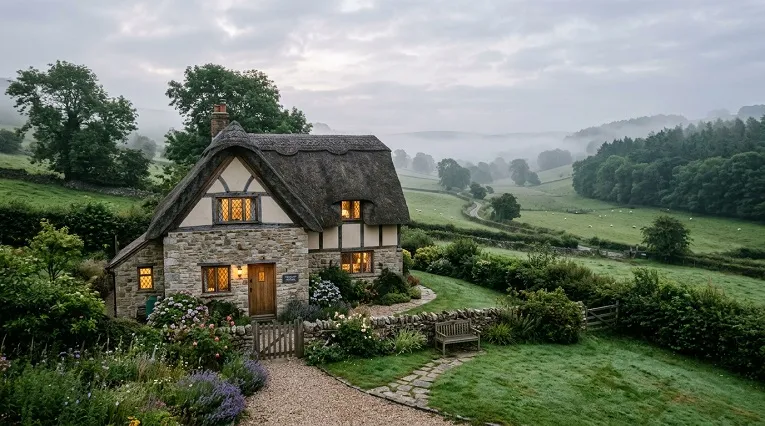

The best time to book a UK cottage holiday depends on when you want to travel, not on a single magic date. For school holidays and peak summer weeks, booking several months ahead gives you the widest choice. For a quiet midweek break outside peak season, booking a few weeks ahead is often plenty, and you may even find a better price. This guide explains lead times by season, the cheapest months to travel, short break rules, and the booking checks that matter most, so you can choose dates with confidence rather than guesswork.
If you are still deciding what kind of stay suits you, start with our self-catering accommodation guide, which explains what is included, what to pack, and how to choose a cottage. For the money side, see how much a UK cottage holiday costs by region, size, and season. All prices mentioned in this article are indicative only, so please verify the final price with the provider before you book.
The Short Answer: When to Book and When to Travel
Book early when choice matters most. Large cottages, cottages with a hot tub, dog friendly cottages with an enclosed garden, and cottages in popular villages tend to go first, especially for Easter, May half term, the summer holidays, and Christmas and New Year. If your dates are fixed, or your party needs a particular feature, early booking is the safer choice.
Travel cheaply when demand is lowest. January, February, and November are usually the quietest months for UK cottage stays, outside school holidays, and midweek breaks in those months often offer the best value. The trade off is shorter days and less reliable weather, so a cottage with a log burner, a well equipped kitchen, and good indoor space matters more in winter than it does in July.
The middle ground is where many experienced cottage holidaymakers land. Late spring and early autumn, in May, June, September, and early October, often combine longer days, quieter villages, and prices below peak summer. If you can travel outside school holidays, these shoulder months are usually the sweet spot for both choice and value.
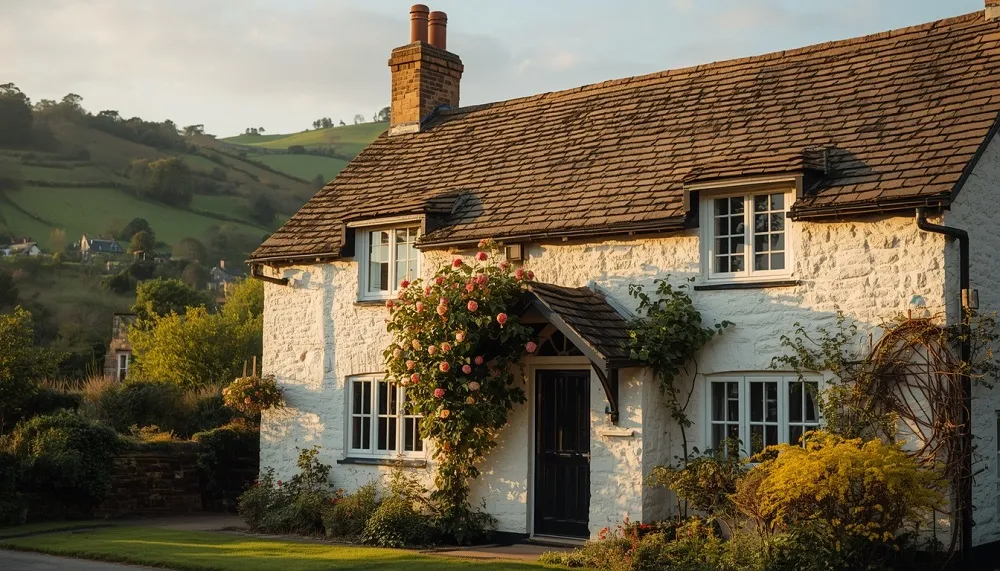
How Far Ahead Should You Book? Lead Times by Season
There is no single lead time that works for every break, because demand is seasonal. Use these lead times as a planning guide, and adjust them if your party is large, you need a specific feature, or your dates cannot move.
For peak summer and school holidays, aim to book three to six months ahead, and earlier for large cottages that sleep eight or more. Popular coastal and national park bases fill first, and the best located cottages, close to a beach, a village pub, or a walking route, are usually booked well before the remaining stock. Booking early also gives you time to check the details that matter, such as parking, bed layout, and enclosed garden fencing, without feeling rushed.
For Easter, May half term, and October half term, two to four months ahead is a sensible target. These breaks are shorter than the summer holidays, so choice lasts a little longer, but family sized cottages still go quickly. For a quiet weekend or midweek break outside school holidays, four to eight weeks ahead is often enough, and in low season you may still find good options a week or two before travel.
For Christmas and New Year, treat the booking like a peak summer break. Cottages that work well for a festive stay, with a log burner, a large dining table, and space for the whole family to gather, are limited in number, and many are booked months in advance. If a festive cottage break is on your list, start looking in late summer or early autumn rather than waiting until December.
The Cheapest Months for a UK Cottage Short Break
The cheapest months for a UK cottage holiday are usually January and February, followed by November, when demand is at its lowest. Midweek stays in these months are often noticeably cheaper than the same cottage at Easter or in August, although the exact saving varies by provider, region, and cottage size. Always compare the total price, including any cleaning charge, pet fee, or linen charge, rather than the headline nightly rate.
March and late October can also offer good value, especially for walkers and couples who do not mind cooler weather. Early December, before the festive peak, is another quiet window in many regions. By contrast, July and August, Easter week, and the Christmas and New Year period are consistently the most expensive times to stay, because demand is highest and minimum stay rules are often longer.
Season is not the only factor. A small cottage for two in a quiet village will usually cost less in any month than a large coastal cottage with a hot tub in August, so the cheapest month for your break also depends on the size and features you choose. If budget is your main concern, changing the month, the party size, or the feature list can matter more than waiting for a discount. Our cost guide explains how much a UK cottage holiday
costs in more detail, including hidden extras to check.
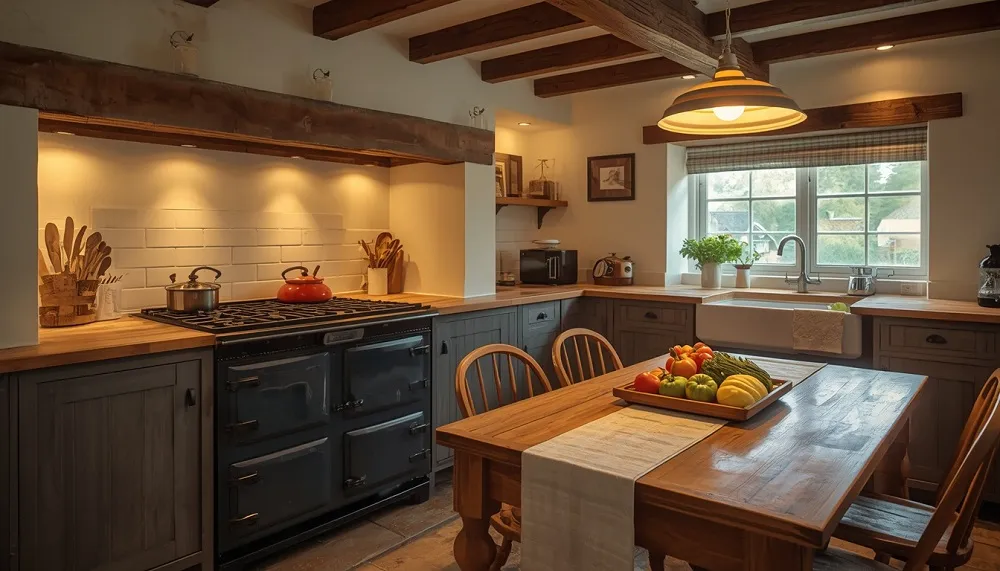
Short Breaks and Minimum Stays: Can You Book for 2 Nights?
Yes, you can book many UK cottages for 2 nights, but it depends on the season, the provider, and the cottage. Short breaks of 2 to 4 nights are common outside peak season, and many providers actively offer them from Monday to Friday or Friday to Monday. In peak summer and over festive periods, however, many cottages switch to 7 night stays, or a minimum of 3 to 4 nights, because changeover and cleaning costs make very short peak stays impractical.
When you are checking a short break, look for three things. First, the arrival day, since many cottages only allow Friday or Monday arrivals in peak season, while low season arrivals are more flexible. Second, whether the short break price is a simple nightly rate or carries a short break supplement, which some providers add to cover cleaning. Third, the arrival and departure times, because a 4 pm arrival and a 10 am departure can make a 2 night stay feel shorter than you expect.
If you can only manage 2 nights, midweek is usually easier than a weekend, and low or shoulder season is easier than peak season. A cottage close to home also makes a short break more relaxing, because you lose less of the first day to travel. For a first short break, choose a base you already know you like, such as one of the best places to stay in the Yorkshire Dales, rather than a region you have never visited.
Midweek Breaks: The Quiet Value Window
Midweek breaks, typically Monday to Friday, are one of the best value options in UK cottage holidays. They suit couples, walkers, and anyone who can take time off outside the weekend, and they often cost less than a Friday to Monday break for the same cottage. Villages, walking routes, and pubs are quieter too, which suits a slower break.
Midweek stays also make practical sense for features that need time to enjoy. A cottage with a hot tub or a log burner is easier to enjoy when you are not rushing home on Sunday, and a cottage with a good kitchen rewards a longer, unhurried stay. If you work from the cottage for a day or two, check the WiFi and mobile signal before you book, since rural cottages vary, and ask the provider directly if reliable WiFi matters for your stay.
One caution applies. Some cottages charge a similar total for a 4 night midweek break as for a 3 night weekend break, because the midweek stay includes an extra night. Compare the price per night and the total, including extras, before you decide which option is genuinely better value for your dates.

Last Minute Cottage Deals: When They Work and When They Do Not
Last minute deals do exist, but they work best when you are flexible. If you can travel midweek, outside school holidays, and you are happy with a smaller choice of cottages, a cottage that is still empty a week or two before arrival may be offered at a lower price. This is most likely in low and shoulder season, when providers would rather fill a gap week than leave a cottage empty.
Last minute booking works poorly when your requirements are specific. A large cottage, a dog friendly cottage with a secure garden, a cottage with a hot tub, or a cottage in one village on one weekend will rarely appear at the last minute, and waiting can mean losing the few suitable options. The same applies to school holidays, when demand is high and discounts are rare.
If you do book last minute, do not skip the usual checks. Confirm what is included, such as linen, towels, and heating, check the cancellation terms, and confirm the arrival process, especially for rural cottages where key collection or a lockbox code matters. A bargain is only a bargain if the cottage still suits your party, your dog, and your plans. For a luxury stay in particular, where expectations are higher, our guide to luxury holiday cottage stays in the UK explains which features are genuinely worth paying for.
School Holidays, Bank Holidays and Peak Weeks: What Changes
School holidays change three things at once: price, availability, and minimum stays. Prices are highest, the best cottages are booked earliest, and many providers require longer stays, often a full week in summer. Bank holiday weekends behave the same way on a smaller scale, with Friday to Monday breaks in high demand and prices to match.
If you must travel in school holidays, book early, be ready to be flexible on village or cottage size, and compare the total cost for your whole party rather than the nightly rate. A larger cottage that sleeps everyone together can work out cheaper per person than two smaller cottages, even if the headline price looks higher. If you can travel just outside a school holiday, even by a week, you may find a wider choice and a lower price for a very similar break.
Families with school age children are not the only peak travellers. Walkers, couples, and groups also compete for the same popular weeks, especially Easter and late May. For a walking based break, consider basing yourself near the moor, as in our guide to a self-catering cottage near Dartmoor, in shoulder season, when routes are quieter and cottages are easier to book.
How to Choose Your Dates: A Simple Booking Checklist
Use this checklist before you pay a deposit, whatever the season. First, fix your non negotiables: dates that cannot move, party size, sleeping arrangements, dog requirements, and must have features such as an enclosed garden or ground floor bedroom. Second, compare at least two date options, such as peak versus shoulder season, or weekend versus midweek, on total price including extras. Third, read the booking terms: deposit, balance due date, cancellation policy, damage deposit, and what happens if you need to change dates.
Fourth, confirm what is included. Linen, towels, heating, logs for a burner, and kitchen basics vary by provider, and assuming they are included can lead to an unexpected packing list or an extra charge. Fifth, confirm arrival details: arrival day, arrival and departure times, parking, key collection, and who to contact if something goes wrong. Finally, keep a written record of the price, the inclusions, and the cancellation terms, so there is no confusion later.
If you are comparing a cottage with other types of stay, our vacation rental guide explains how to compare listings fairly, including fees, reviews, and booking protection. The cheapest listing is not always the best value once fees, location, and inclusions are taken into account.
Frequently Asked Questions
When is the cheapest time to book a UK cottage holiday?
The cheapest time to travel is usually January, February, and November, outside school holidays, especially for midweek breaks. The cheapest time to book is different: for peak dates, booking early secures choice, while last minute savings are most likely in low season when you are flexible on dates and cottage.
How far in advance should I book a cottage for the summer holidays?
For the summer holidays, aim for three to six months ahead, and earlier for large cottages or cottages with a hot tub. If your dates are fixed and your party needs a specific feature, earlier is safer than later.
Can I book a UK cottage for just 2 nights?
Yes, many cottages offer 2 night short breaks outside peak season, especially midweek. In peak summer and over festive periods, minimum stays are often longer, so check the arrival day and minimum stay rules before you set your heart on a 2 night stay.
Are last minute cottage deals worth waiting for?
They can be, if you are flexible on dates, region, and cottage features, and you are travelling outside school holidays. If you need a specific cottage, a large cottage, or a school holiday week, booking early is usually the better strategy, because waiting risks losing the suitable options altogether.
There is no perfect booking date that works for everyone, but there is a right order: decide what your party needs, choose shoulder or low season if you can, book early for peak dates, and compare total prices before you pay. Booked that way, a cottage holiday is less about chasing a deal and more about choosing a stay you will actually enjoy, in a place that suits the way you like to travel.