

Self-Catering Cottage Devon: A Complete Guide to Staying at Rock House Cottage
Tucked into the edge of the Teign valley, Rock House Cottage offers a self-catering escape that puts you close to the wild beauty of Dartmoor and the charm of rural Devon. This is the kind of place where you can take the time to unwind, with a cosy sitting room, a welcoming kitchen, and a sense of quiet that is hard to find in more crowded destinations. This guide covers everything you need to know, from what self catering means to what to pack, what is included and the best times to visit.
Whether you are comparing cottage holidays in Devon with other parts of the country, or you have already decided that the moorland edge is right for you, this guide will help you plan a stay that feels considered rather than rushed.
What Does Self Catering Mean?
Self catering means staying in a private cottage, flat or house where you cook your own meals, manage your own schedule and enjoy the comfort of a home from home. You can stay here, enjoy the beautiful Devon countryside, and take care of yourself without a restaurant timetable or a hotel breakfast queue. That freedom is the main reason so many visitors choose a self catering cottage over other options.
For many guests, self catering is the first step to finding a quieter holiday. You are not bound by check-in times for meals, you can come and go as you please, and you can shape each day around what you actually want to do. It is a flexible way to travel, particularly when you are travelling with children, dogs or other family members.
Why Choose a Self-Catering Cottage in Devon?
Freedom and flexibility
There is no dining room, no set menu, no fixed breakfast slot. You can cook a slow breakfast, make a picnic for a Dartmoor walk, or choose to eat out at a village pub instead. That flexibility makes a self-catering cottage ideal for families, couples and groups with different rhythms.
Space to Relax and Unwind
A cottage gives you rooms to spread out in, a kitchen to use properly and a garden to sit in. That extra space matters, especially if you are staying for a week or more, because you can settle in properly rather than living out of a suitcase in a single room.
A Genuine Taste of Local Life
Staying in a period cottage in a small village means shopping at local farm shops, walking to the pub, and waking up to birdsong rather than traffic. That sense of place is a big part of what makes a self-catering holiday in Devon feel like a proper break.
What Is Included at Rock House Cottage?
One of the most common questions guests ask is: what is included in a self-catering stay? At Rock House Cottage, you will find everything you need for a comfortable stay, without having to guess what to bring.
Kitchen
The kitchen is designed for guests who want to cook properly, whether that means a full breakfast or a slow evening meal. There is a cooker, a fridge, cooking equipment and enough space to prepare meals for the whole party. If you prefer to eat out some nights, you will still have the option to cook when you want to.

Laundry and Cleaning
Longer stays are easier when you can do a wash, so the cottage includes a washing machine and a tumble dryer. You will also find a place to dry walking boots and outdoor gear after a day on the moor, which makes a real difference in wet weather.
Bedrooms
The cottage is arranged so that couples and families can sleep comfortably, with fresh bedding and towels supplied. Linen is provided as part of your stay, so you do not need to pack sheets, pillowcases or towels, and you can use the space to relax and enjoy your stay.
Self Catering Cottage Devon and Cornwall: A Comparison
Devon and Cornwall are often compared, but they offer a different kind of self-catering break. Cornwall is known for surf, beaches and fishing villages, while Devon offers a quieter, more varied mix of moorland, coast and market towns. If you like the idea of walking on open moorland in the morning and visiting a traditional Devon town in the afternoon, a Devon base is often a better fit.
If your priority is a coastal holiday, you may find a Cornwall cottage holiday with more beaches. But if your priority is peace, space and a real sense of escape, a self-catering cottage near Dartmoor will suit you better. You get a mix of countryside, coast and culture without the crowds that Cornwall can attract in the summer.
Luxury Self Catering Cottages in Devon
Not every self-catering cottage is the same. Some are basic and functional, while others offer a real sense of luxury: good beds, a log burner, a beautiful garden, and a sense of care in every detail. A luxury self-catering cottage in Devon is not about gold taps or marble floors, it is about comfort, character and quality. It is a place that feels like home, only better.
Devon Holiday Cottages by the Sea
Devon holiday cottages by the sea offer a very different experience to a moorland stay. You trade sea views for moorland views, sandy beaches for open access walking, and the smell of salt air for the sound of birdsong. That is not to say one is better than the other, but if you want a quieter holiday with space to walk, a cottage near Dartmoor gives you a different kind of coastal break: you can visit the sea when you want to, then come home to the peace of the countryside.
What to Take to a Self-Catering Cottage in Devon
Packing properly is one of the best ways to make the most of a self-catering stay, because it saves you from last-minute trips to the shops or from missing something essential. Here are the main things to pack, grouped by category so you can check them off.
In short: pack basic food for your first night, walking boots, a waterproof coat, your favourite toiletries and any medication you need. The cottage provides linen, towels and a well-equipped kitchen, so you do not need to bring those.
Kitchen and Food Essentials
- Cooking oil, salt, pepper, tea, coffee and sugar
- Milk, butter, bread and basics for a first night
- A few favourite condiments and spices
Everyday Comforts
- Toiletries, medicines and a small first aid kit
- Books, games and chargers
- A torch for country lanes at night
For Walkers and Outdoor Days
- Walking boots, waterproofs and layers
- A rucksack, a water bottle and a map
- A picnic set for walks on the moor

Practical Tips for Your Devon Self-Catering Stay
Nearest Shops and Food Shopping
Rural areas have smaller shops, so it is worth planning your food shop in advance. The villages around Rock House Cottage have a few local shops, farm shops and a pub or two, and the market towns of Chagford and Moretonhampstead are a short drive away. A full supermarket is available in Exeter, which is an easy drive and worth a visit if you want a big shop.
Getting Around
A car is genuinely useful for a self-catering stay near Dartmoor, because it gives you the freedom to explore the moor, visit the coast and reach the nearest town without relying on buses. There are buses in the area, but they are less frequent than in a city, so a car makes your stay much easier.
Weather and What to Expect
Dartmoor weather is famously changeable, so it is wise to pack layers and a waterproof even in the summer. A day can start bright and end in mist, so bring a fleece, a hat and a pair of walking boots. That way you can enjoy the moor in any weather.
The Best Time of Year to Visit a Self-Catering Cottage in Devon
Dartmoor rewards visitors in every season, and the best time to visit depends on what you want from your stay. If you like long days, warm evenings and a buzz in the villages, summer is ideal. If you prefer quieter paths, cooler walking weather and lower prices, spring and autumn are the best times to visit.
Spring brings quieter paths, new lambs on the moor and a sense of the countryside waking up. Autumn brings beautiful colours, misty mornings and a cosier feel, especially with a log burner. Winter is the quietest season, with fewer visitors and a chance to enjoy the cottage itself.
Whatever season you choose, it is worth reading our guide on when to book a UK cottage holiday, so you can plan your stay around the best prices and the quietest times.
Making the Most of Your Self-Catering Stay
A self-catering cottage genuinely comes into its own when you treat it as a base rather than just a place to sleep. Use the kitchen for proper breakfasts before a long walk, pack a picnic, and come home to a hot meal and a log burner. That rhythm is what makes a self-catering stay feel like a real holiday.
With a full kitchen and plenty of space, you can be flexible. You can spend one day walking on Dartmoor, the next visiting the coast, and the next exploring a market town. You are not tied to a hotel timetable, so you can shape the week around what you enjoy most.
Longer stays also work well, because you can settle in, use the laundry facilities, and explore the area at a leisurely pace. That is a big advantage over a short break, where you might feel rushed. If you are planning a week or more, a cottage holiday in Devon gives you the time to see the moor, the coast and the villages without feeling hurried.
What to Do Near Rock House Cottage: Days Out on the Dartmoor Edge
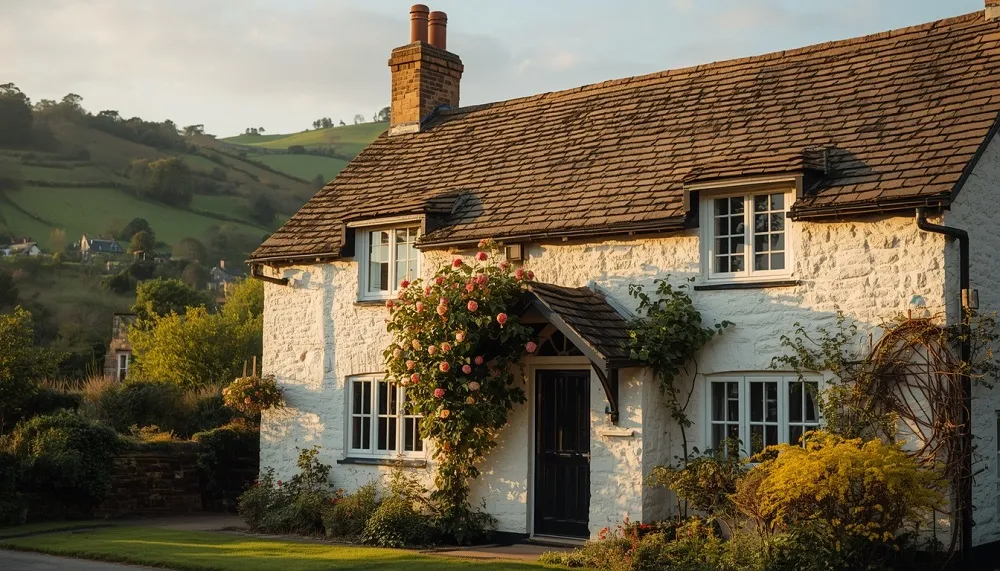
The honest answer to what there is to do near Rock House Cottage is that the cottage sits in one of the busiest corners of Dartmoor for days out, even though the lane outside the door feels completely quiet. The Teign Valley runs below the house, Castle Drogo stands above the Teign Gorge a short drive away, and the market towns of Chagford, Moretonhampstead and Bovey Tracey are all within easy reach. That mix is exactly why a Dartmoor edge cottage works as a base: moorland walking one day, a historic house or a village pub lunch the next, and the South Devon coast when you fancy the sea.
Start with the nearest landmark. Castle Drogo, near Drewsteignton, was designed by Sir Edwin Lutyens for Julius Drewe and built between 1911 and 1930, and it is the last castle to be built in England. It is a Grade I listed building, cared for by the National Trust since 1974, and it stands on a spur above the Teign Gorge with gardens and a tearoom. It is the kind of day out that suits a slow morning, and it is worth checking opening times with the National Trust before you travel, since hours change through the seasons.
The villages around the cottage each repay a visit, and they make a good base for planning the rest of your week. Chagford has shops, cafes and pubs on a village square, Moretonhampstead is a small market town with historic buildings, and Bovey Tracey is known for its craft shops and galleries. If you are still choosing where to stay in the area, our guide to the best Dartmoor villages to stay in compares these bases side by side, so you can see which one fits a walking break, a family break or a quiet couples break.
For a family day out, Canonteign Falls in the Teign Valley near Chudleigh is an easy choice. The falls are 220 feet high and one of the highest waterfalls in England, created in 1890 by diverting a stream over a cliff edge, and the 90 acre estate has a Victorian fern garden, lakes and family friendly trails. Entry prices change, so check them with the provider before you go, and treat them as indicative when you are planning your budget. Becky Falls, in the wooded Bovey valley, is another family friendly option, with waymarked trails through the trees rather than open moor.
One practical habit makes all of these days out easier: check opening times and ticket prices with the provider the night before, and keep a wet weather plan in reserve. Dartmoor weather changes fast, and a morning that starts bright can turn wet by lunch, so a cottage base with a proper kitchen and a comfortable sitting room earns its keep on the days you come home early.
Dartmoor Walks From Your Cottage Door: Tors, Gorges and Riverside Paths
Walking is the main reason many guests choose a Dartmoor edge cottage, and it is the one activity that genuinely starts at the door. Dartmoor National Park covers 368 square miles of open moorland, tors, river valleys and wooded gorges, and from a Teign Valley base you can choose between short riverside strolls and full days on the high moor without driving far at all.
The classic local walk is the Teign Gorge route from Castle Drogo down to Fingle Bridge. Countryfile lists it at 4.3 miles and about two and a half hours, graded moderate with 225 metres of ascent, following the Hunters Path high above the River Teign, past Sharp Tor and through Whiddon Deer Park, before dropping to the riverside Fingle Bridge Inn. The bridge itself is a 13th century packhorse bridge, and the walk back along the river passes the iron bridge by Drogo Weir. In autumn, when the river is high, you may even see salmon running near Fingle Bridge.
Shorter walks suit families and mixed groups just as well. Riverside paths along the Teign are mostly flat and easy going, village loops around Chagford and Moretonhampstead give you a pub at the end, and the open moor above the valley is there when you want space and big views. Keep in mind that moorland paths are not pavements: wear proper boots, carry a paper map or an offline map download, take layers and water, and check the forecast the night before a longer walk, because mobile signal can be patchy on the moor.
If you are bringing a dog, Dartmoor is generous but not careless. Keep dogs on a short lead near livestock and ponies, carry water for them on warm days, and check the cottage rules before you let them off the lead in the garden. Our guide to dog-friendly cottages in Dartmoor covers enclosed gardens, moor walking rules and seasonal cautions in detail, and the wider dog-friendly cottage holidays in the UK guide explains what to check before you book anywhere.
Rainy Days Near Dartmoor: Indoor Days Out From Your Cottage

A rainy day near Dartmoor is part of the deal, not a ruined day, and the area handles it better than most. The trick is to have two or three indoor options ready before the rain arrives, so you are choosing between good days out rather than sitting in the car working out what to do.
Castle Drogo is the obvious first choice, since the house itself is indoors and the gardens and tearoom are there when the rain eases. The castle tearoom serves a splendid cream tea, which is a proper Devon reward after a wet walk, and the house gives you a full morning even in bad weather. Check opening times with the National Trust before you set out, since the house and gardens do not always keep the same hours.
Exeter is the best wet weather day trip from a Dartmoor edge cottage. The cathedral, the Royal Albert Memorial Museum, the quayside cafes and the covered shopping streets all work in the rain, and the city is a straightforward drive from the Teign Valley. It is also a useful trip for practical reasons: a larger supermarket, an outdoor shop if your waterproofs have failed, and a pharmacy, all in one place.
Closer to home, Buckfast Abbey on the south eastern edge of the moor is a calm indoor visit, and Bovey Tracey has craft galleries and shops that suit a slow browse. Moretonhampstead and Chagford both have cafes and pubs where a long lunch is a perfectly good use of a wet afternoon. If you would rather stay in, that is what a self-catering stay is for: a log burner, a cooked lunch from local ingredients and a quiet afternoon in your own sitting room. Our self-catering accommodation guide explains what is usually included in a cottage stay, so you know what you have to work with on a day indoors.
Day Trips From a Dartmoor Edge Cottage: Exeter, the Coast and South Devon
A Dartmoor edge base works because day trips stay easy in every direction. Exeter is one way, the South Devon coast is the other, and the moor itself is all around you, so you can build a week from very different days without long drives or complicated planning.
Exeter, the county city, is the most useful day trip of all. The cathedral and the Royal Albert Memorial Museum are the headline visits, the historic quayside is good for a wander and a coffee, and the city has the shops and services a rural cottage base does not. It is also the easiest place to combine a day out with the practical jobs of a self-catering stay, from a big supermarket shop to replacing a forgotten charger.
The coast is the other direction. Teignmouth and Dawlish are the nearest seaside towns to the Teign Valley, good for a beach walk, fish and chips and a change of air, while Dartmouth and the South Hams make a longer and prettier day out. The cottage itself is an inland, moorland edge base, so treat coast days as day trips rather than walks from the door, and check parking before you go, since popular seaside car parks fill up in summer. If you are still deciding between a coastal base and a countryside one, our Cornwall cottage holidays guide shows what a coastal base does differently, and why some guests prefer the quiet of the moor.
South Dartmoor offers a third direction. Buckfast Abbey is a peaceful stop near Buckfastleigh, and Okehampton, on the northern edge of the moor, has a rail link to Exeter for a car free day out. Whichever direction you choose, plan around the seasons: popular villages and car parks get busy in summer, while winter days are shorter and quieter. Our guide on when is the best time to book a UK cottage holiday explains how the time of year changes both prices and crowds, which helps you pick the right week as well as the right days out.
Eating Out Near Your Cottage: Pubs, Farm Shops and Devon Cream Teas
Self-catering does not mean cooking every meal, and the villages around Rock House Cottage make eating out easy. The Fingle Bridge Inn sits right beside the river at the bottom of the Teign Gorge, with a garden overlooking the woods and the water, and the pubs in Chagford, Moretonhampstead and Drewsteignton all serve walkers and locals rather than coach parties. Book ahead in peak season and at weekends, and check opening hours before you go, since rural pubs can keep shorter hours outside the summer months.
Farm shops and village shops are the other half of eating well here. Devon is known for its produce, from local cheese and cider to the cream tea, and a self-catering stay gives you the chance to cook with these ingredients rather than only sampling them in a café. A midweek top up shop works better than one huge shop on arrival, because you can buy fresh and local as you go, and you waste less.
On the subject of the cream tea, one local rule is worth knowing: in Devon the cream goes on first, then the jam. You will find cream teas in village cafes, at the Castle Drogo tearoom and at farm shops across the area, and trying two or three over a week is a perfectly respectable way to spend a self-catering break. Prices are indicative and vary by place, so check the menu before you order if you are keeping to a budget.
Frequently Asked Questions
How many guests can stay at Rock House Cottage?
Rock House Cottage sleeps up to 7 guests, which makes it suitable for larger families, couples travelling with friends, or a small group. It is best to confirm the exact sleeping arrangement before booking, because the configuration may change, but as a rule it works well for a party of that size.
How far is Rock House Cottage from the coast?
The cottage is inland, on the edge of Dartmoor, but the South Devon coast is an easy drive away. You can reach the nearest coast in about 40 minutes, depending on traffic, and the journey is straightforward. If you want a beach day, it is worth planning it as a day trip rather than a walk from the door.
Is there parking at Rock House Cottage?
Yes, there is parking at the cottage, and you can park at the front of the cottage. That makes it easy to unload your bags and settle in, and it also makes day trips much easier because you can leave the car at the cottage when you are not using it.
Is Rock House Cottage pet-friendly?
Yes, the cottage is pet-friendly, and pets are welcome at Rock House Cottage. That is a real advantage if you are travelling with a dog, because Dartmoor is one of the best places in the country for walking with a dog. It is still worth checking the exact rules before you book, so you know what is expected and what is included.
What should I bring for a self-catering holiday?
Pack the basics, including food for your first night, toiletries, walking boots and any medication you need. The cottage is well equipped, and you do not need to bring linen or towels, but it is worth bringing any special items you rely on, such as a particular pillow or a favourite cooking ingredient.
What is the best time of year to visit Dartmoor?
It depends on what you want from your stay, but late spring and early autumn are often the best times. The paths are quieter, the weather is generally good, and the prices are lower than in peak summer. Summer is also a great time, with longer days and more to do, but it can be busy. Winter is quiet and atmospheric, especially if you enjoy a log burner and a cosy cottage.
Can you walk onto Dartmoor from Rock House Cottage?
Yes. The cottage sits on the edge of Dartmoor National Park, so riverside and valley paths are close by, and the open moor is a short drive or a longer walk away. For a full moorland day, drive to a car park at the moor edge, take a map, layers and water, and check the forecast before you set out. Our guide to the best Dartmoor villages to stay in lists the nearest bases for the most popular walks.
What is the nearest beach to Rock House Cottage?
The South Devon coast at Teignmouth and Dawlish is the nearest stretch of coast, and it makes an easy day trip by car from the cottage. Rock House Cottage is an inland, moorland edge base, so plan coast days as day trips with a car, and check parking in advance in the summer months.
Do you need a car for a self-catering stay near Dartmoor?
A car is strongly recommended. Buses exist in the area but services are limited, especially on Sundays and outside the summer season, and the most useful days out, from the coast to Exeter, are far easier by car. Okehampton has a rail link to Exeter if you want one car free day out during your stay.
How much should I budget for days out near Dartmoor?
Many of the best days out cost nothing: moorland walks, riverside paths and village wanders are free. Paid attractions such as Castle Drogo and Canonteign Falls charge entry, and prices change, so check them with the provider before you go and treat any figure you see online as indicative. For the stay itself, our guide on how much a UK cottage holiday costs explains the main price ranges by region, size and season.
Is Dartmoor suitable for children and dogs?
Yes, with a little care. Short riverside walks, family friendly attractions such as Canonteign Falls, and village playgrounds and cafes suit children well, while dogs love the open moor as long as they stay on a lead near livestock and ponies. Read our dog-friendly cottage holidays in the UK guide before you book, so you know what to check about gardens, fees and cottage rules.
About the Author
A dedicated writer for Rock House Cottage, passionate about exploring Dartmoor’s rugged landscapes, historic villages, and the warm hospitality of Devon’s self-catering cottages. Through practical guides, local recommendations and personal insights, they help readers plan memorable stays in one of England’s most beautiful regions.


