

Cornwall is not one coastline, it is two very different ones joined at the far west, and that is why choosing a base matters more here than in most UK regions. Pick the wrong side for the break you actually want, and you can spend a week driving to the beaches, harbours, and walks you came for. Pick the right side, and most days start with a short walk, a short drive, or a bus ride to exactly the kind of coast you like. This guide is about that choice: which Cornwall coastal bases suit which kind of self-catering stay, what to check before you book, and how cost and crowding change through the year.
It is a base-selection guide, not a list of properties and not a general Cornwall itinerary. Every base below is judged on the same cottage questions: can you walk to the coast, can you park without a daily battle, is there somewhere to eat and buy food without driving, and does the place still work on a wet day, when the beach is not the plan?
North Coast or South Coast? Start With the Coast, Not the Town
Cornwall’s north coast faces the Atlantic. It is the exposed side: wide sandy beaches, bigger surf, tall cliffs, and open scenery that feels dramatic even on a grey day. Towns such as Newquay, Bude, Polzeath, and Padstow sit on this side, and so does St Ives, on the north-western edge, where Atlantic light and a working harbour sit side by side. If surfing, long beach days, and cliff walks are the point of the trip, start here.
The south coast is the sheltered side. It is more intricate: smaller coves, wooded creeks, estuaries, and harbour towns such as Falmouth, Fowey, Looe, Mevagissey, and Porthleven. The water is often calmer, the walks are often gentler, and the day is more likely to be built around a harbour walk, a boat trip, and a waterside meal than around a surf forecast. If you want a slower, harbour-led break, or you are travelling with small children who prefer a sheltered cove to an exposed surf beach, start here.
The far west, from St Ives around Land’s End to Penzance and Marazion, blends both characters. It has Atlantic drama on the north-facing stretches, gentler Mount’s Bay water on the south-facing side, and some of the county’s most distinctive granite coastline in between. It is also the most remote part of Cornwall for driving, so it rewards a base chosen for the specific stretch you want, rather than a plan to see the whole county from one cottage.
A useful first question is therefore not “which town is nicest?” but “which coast matches our days?” A surf family and a harbour-walking couple can both love Cornwall and need completely different bases. Once the coast is settled, the town choice becomes much easier.
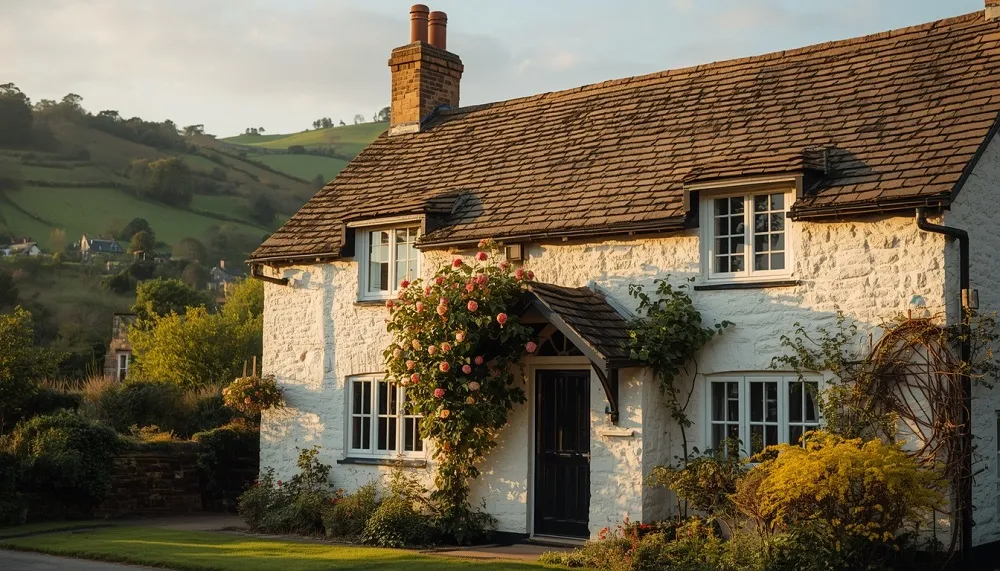
Best Coastal Bases by Type of Break
The same town can be perfect for one party and wrong for another, so it helps to sort bases by the break, not by a single ranking.
For family beach days. Bude, Newquay, and St Ives are the safe first shortlist, with Looe and Falmouth as strong south-coast alternatives. The reason is practical, not scenic: broad beaches, places to eat close to the sand, shops within walking distance, and rainy-day options when the beach plan fails. Bude in particular suits families who want easy beach days plus coastal path walks without a resort-town pace, while Falmouth gives a larger town base with beaches, a harbour, and ferries to the Roseland Peninsula.
For surf. Newquay is the obvious centre, with Fistral Beach the best-known surf beach, and Bude, Polzeath, Perranporth, and Watergate Bay all offering wide sand and Atlantic swell. For a surf break, stay close to the beach you will actually surf, because early-morning and late-evening sessions are much easier when the board does not need a car journey first. Check the cottage for board storage and somewhere to rinse wetsuits, which matters more after three days than it does on day one.
For harbour villages and slow days. Port Isaac, Mousehole, Fowey, Mevagissey, and Porthleven are the quieter end of the scale: steep lanes, a sheltered harbour, local food, and harbour walks rather than big beaches. These bases suit couples and walkers who want to slow down, but they are less forgiving if you need step-free access, easy parking, or a large supermarket on foot, so check those points before booking rather than after arriving.
For quiet escapes. Cawsand and Kingsand on the Rame Peninsula, Coverack and Mullion on the Lizard, and the smaller coves around the Roseland Peninsula offer the undiscovered-Cornwall feel, with the trade-off that you will drive more for shops and rainy-day options. Quiet bases work best for a second Cornwall visit, when you already know which day trips you want, or for a break where the cottage itself, its garden, and its coastal walk are the main plan.
For couples. St Ives works as an all-rounder, with beaches, galleries, and a harbour in one walkable town, while Porthleven, Mousehole, Fowey, and Port Isaac suit couples who prefer a smaller base. For a romantic stay, the cottage attributes matter as much as the town: a sheltered seating area, a log burner for cooler evenings, and a short walk to an evening meal. Our guide to romantic cottage breaks for two covers those features in detail.

North Coast Bases Worth Shortlisting
Bude is a classic north-coast family town: big Atlantic beaches, cliff walks, and a laid-back surf atmosphere, with the added bonus of Bude Sea Pool, a tidal pool that gives a sheltered swimming option when the surf is rough. It is also far enough north to feel less crowded than the central north-coast resorts, which is a real advantage in August.
Padstow is the food-led harbour town on the Camel Estuary, and a strong base for walkers and cyclists as well as food lovers, because the Camel Trail runs nearby and beaches around Trevone and Harlyn are a short drive away. Expect premium prices and busy summer streets, and book parking into the plan, not as an afterthought.
Polzeath and the Wadebridge area suit a beach-culture break with a slightly quieter inland option. Polzeath itself is all wide sand and surf, while Wadebridge, a short drive inland, works as a practical base for exploring north Cornwall, with cycling, day trips to Padstow and Polzeath, and easier parking. If a sea view is not essential every morning, an inland base a few miles from the beach can save a noticeable amount in peak season.
Newquay is Cornwall’s surf capital and its liveliest north-coast town, with big beaches, reliable waves, and plenty of places to eat. It suits surf groups and families who want a resort pace, but it is not the base for a quiet harbour break, so match the town to the trip rather than assuming the biggest name fits every party.
St Ives needs a separate note, because it is both a beach town and a cultural town. It has Caribbean-looking beaches, galleries including Tate St Ives, narrow harbour streets, and a branch railway line that makes a car-free visit realistic. That combination makes it the best all-rounder for a first Cornwall cottage stay, but it also makes it one of the priciest and busiest bases, so early booking and a parking plan matter more here than anywhere else on this list.
South Coast Bases Worth Shortlisting
Falmouth is the south coast’s larger town base, and the most forgiving for a first south-coast stay. It mixes a working harbour, sandy coves such as Gyllyngvase, waterfront pubs, boat trips, and ferries, with enough shops and rainy-day options to carry a wet week. It also gives easy access to the Helford River and the Roseland Peninsula, so a week here does not have to repeat the same beach.
Fowey, pronounced like “Foy”, is a sea-meets-estuary town of terraced period houses, independent shops, ferries to Polruan, and a small beach at Readymoney Cove. It suits harbour walkers and couples who want estuary views and boat trips without a resort pace. Parking is tight and hilly in places, so check the cottage’s parking situation in writing before you book.
Looe is postcard Cornwall on a compact scale: fishing boats, harbour walls, and a town that is easy to explore on foot, with beaches and boat trips close by. It is a strong south-coast base for families who want a harbour town rather than a surf town, and for walkers who like harbour-to-harbour coastal path sections.
Mevagissey and Porthleven sit a step quieter than Falmouth and Looe. Mevagissey offers a working harbour, local food, and harbour walks, while Porthleven, on the south-western edge, combines a harbour, a beach, and a food-led high street with a more local feel. Both suit a slower break, and both reward a cottage within walking distance of the harbour, because driving in and out for every meal quickly eats into the day.
Penzance and Marazion, at the western end of Mount’s Bay, are the gateway to west Cornwall: St Michael’s Mount is reached from Marazion, and day trips to the far west coastline, Mousehole, and the Minack Theatre are all realistic from here. Penzance is also well connected by rail, which makes it a practical base for a longer stay or for a party that wants to mix car days with train days.

Coastal Path Access: Walk From the Door or Drive to the Start
The South West Coast Path runs for 630 miles in total, and Cornwall’s section alone runs for more than 300 miles, which means no single base covers it, and no cottage needs to. The useful question is narrower: can you walk from the door, or will you drive to a start point every day?
Bases such as Bude, Boscastle, Tintagel, Port Isaac, St Ives, Falmouth, Fowey, and Porthleven all put coastal path sections within walking distance, but the character of those sections varies sharply. The Tintagel to Port Isaac stretch, for example, is rated challenging to severe on the official South West Coast Path site, with steep descents into valleys and tough climbs back to the cliff tops, while the Hayle and Towans trail is a much gentler, fairly level dune and beach walk. Check the official route description for the exact section near your cottage, not just the general idea of “coastal walks nearby”.
For walkers, three cottage checks matter more than a sea view. First, is there a drying space for wet coats and boots, because a coastal walk in November is a different stay from one in June. Second, is the cottage genuinely close to the path, or is “near the coast path” a ten-minute drive in practice? Third, can you walk a linear section and get back by bus, ferry, or a second car, or will every walk have to be an out-and-back? Towns with a bus network, such as St Ives, and ferry links, such as Falmouth and Fowey, make linear walks far easier.
If you are travelling with a dog, the same section-by-section check applies twice over. The official path site marks dog-friendly walks and notes beaches and pubs where dogs are welcome, but beach rules vary widely across Cornwall and change with the season, so confirm the rules for the exact beaches near your base before you book. Our guide to dog-friendly cottage holidays covers enclosed gardens, dog numbers, and pet fees, and those checks matter just as much at the coast as they do inland.
Parking and Summer Crowding: The Reality Check
Cornwall in July and August is a different place from Cornwall in May, June, or September, and the difference is mostly felt in parking, traffic, and beach crowding rather than in scenery. St Ives, Padstow, and Newquay are the places where this bites hardest: narrow streets, limited central parking, and beaches that fill by late morning. A cottage with its own parking, or a base on a branch railway line, changes the whole week in these towns.
The practical fixes are simple. Book a cottage with parking stated in the listing, not assumed from a photograph. Arrive at popular beaches early or late in the day, and keep a second, quieter beach in mind for the middle of the day. Use buses and ferries where they exist, especially around St Ives Bay, Falmouth, and the Fal and Helford rivers. And if you are travelling in peak season, choose a base with a walkable harbour, shops, and a beach, so a day without the car is still a full day.
Crowding also affects cottage choice in a less obvious way: noise and evening light. A cottage on a busy harbour front or above a popular beach car park can be lively late into the evening in August, while the same cottage in October is quiet. If light sleepers or young children are in the party, ask the owner or agency about road and harbour noise in peak season, and read recent summer reviews rather than winter ones.
Cost and Seasonality: What Changes, and When to Book
Cornwall is one of the priciest English regions for a cottage week in peak season, and the gap between peak and low season is wide. As an indicative picture only, a Cornwall listings guide puts a two-bedroom cottage at roughly £400 to £600 per week in low season, from October to March, and roughly £800 to £1,500 per week in peak summer, in July and August, with larger properties sleeping six to eight ranging roughly £700 to £2,000 per week depending on location and season. Those are indicative ranges, not quotes: always verify with the provider for your dates, because St Ives, Rock, and Padstow command premium prices, and dog-friendly cottages and those with hot tubs are typically priced higher.
The cheapest months to stay are usually the shoulder months, May, June, and September, when prices fall back from the August peak, crowds thin out, and the sea is warmest in September after three months of summer warming. Winter weeks are often the cheapest of all and suit storm-watchers and dog walkers, with many major attractions still open year-round, but check heating, drying space, and whether the cottage’s outdoor seating is usable in winter before booking a cold-weather break.
Booking lead times follow the same pattern. For July and August, the most in-demand cottages in St Ives, Rock, and Padstow can sell out months ahead, so booking six to nine months ahead is a sensible rule for peak weeks, especially for sea-view, hot-tub, and larger group properties. May, June, and September can usually be booked two to three months out, and winter and shoulder-season weeks are often available at much shorter notice. For the full timing picture, read our guide to when is the best time to book a UK cottage holiday alongside the price picture in how much a UK cottage holiday costs, and always confirm the total price, including cleaning, pet fees, and any extras, before you pay.
One cost trap is specific to coastal bases: the cottage that looks cheapest on the listing can become the most expensive stay once parking charges, beach car-park fees, and daily driving to a quieter beach are added up. A slightly pricier cottage within walking distance of the beach, shops, and a coastal path section often works out cheaper, and certainly less tiring, than a cheaper cottage that needs the car for everything.
How to Choose Your Cornwall Cottage Base: A Quick Checklist
Use this checklist in order, and do not let a single beautiful photograph skip a step. First, choose the coast: north for surf and wide beaches, south for sheltered coves and harbour towns, far west for granite drama and remoteness. Second, choose the base type: family beach town, surf town, harbour village, quiet escape, or walkable all-rounder. Third, check the cottage itself: parking stated in writing, distance to the beach and shops on foot, enclosed garden if you have a dog, and a sheltered outdoor seating area if you plan to eat outside.
Fourth, check the season honestly. A base that is perfect in June can be crowded in August and windswept in January, and a cottage that is perfect in August can feel isolated in February if shops and buses close back. Fifth, confirm the total cost, including extras, and the cancellation terms, before you pay. A self-catering cottage stay is easier when the base, the cottage, and the season all match the break you actually plan to have, and a short message to the owner before booking can settle most of these questions in a few minutes.
If you are still torn between two bases, choose the one with the better walk-from-the-door options. Cornwall rewards the base where you can leave the car parked, walk to the coast, and come back to a cottage that is warm, dry, and quiet, more than it rewards the base with the most famous name.
Frequently Asked Questions
Is the north or south coast of Cornwall better for a cottage holiday?
It depends on the break. The north coast suits surf, wide sandy beaches, and dramatic cliff scenery, while the south coast suits sheltered coves, harbour towns, estuary walks, and calmer water. Families with small children and harbour walkers often prefer the south, while surf families and cliff walkers often prefer the north.
Which Cornwall base is best for a first visit?
St Ives is the best all-rounder for a first visit, with beaches, galleries, a harbour, and a branch railway line in one walkable town, while Falmouth is the best south-coast all-rounder, with beaches, a harbour, ferries, and rainy-day options. Both are busy and pricier in peak season, so book early and plan parking.
Can you do Cornwall without a car?
Partly, yes, if you choose the right base. St Ives, Falmouth, Penzance, and Looe all have rail or ferry links that make car-free days realistic, and buses serve many coastal towns. A fully car-free week across the whole county is harder, especially for quieter villages and coves, so pick a walkable base and plan day trips around its bus and ferry routes.
When is the cheapest time to stay in a Cornwall cottage?
May, June, and September usually offer the best balance of price, weather, and thinner crowds, while winter weeks are often cheapest of all. Peak summer, July and August, and school holiday weeks are the priciest and book earliest, especially in St Ives, Rock, and Padstow. All prices are indicative, so verify with the provider for your dates.
Are Cornwall beaches dog-friendly all year?
No, rules vary widely across Cornwall and change with the season, with some beaches restricting dogs in summer and welcoming them in winter. Check the rules for the exact beaches near your base before you book, and confirm the cottage’s own dog rules, enclosed garden, and pet fee in writing.
What should I check about parking before booking a Cornwall cottage?
Check whether parking is included, where it is, and how far it is from the door, in writing, not from a photograph. In St Ives, Padstow, Fowey, and other narrow-street towns, parking can be tight, hilly, or a walk away, and that matters far more with luggage, children, or limited mobility than it does in a listing photograph.
Conclusion
Cornwall’s best coastal base is not a single town, it is the town that matches your coast, your party, and your season. Start with north or south, sort by the kind of break you want, then check parking, walk-from-the-door options, dog rules, and the total seasonal price before you fall for a photograph. Do that, and the cottage you book will be one you can actually enjoy from the first morning, not one you spend the week driving away from. For the next step, compare your shortlist against our cottage with hot tub guide, our Cotswold cottage villages guide if you are weighing regions, and our luxury cottage stay guide if a premium coastal cottage is on the shortlist.


