

A romantic cottage break for two is not really about how large the cottage is, or how many features the listing can name. It is about whether two people can slow down together, without neighbours, timetables, or shared spaces getting in the way. A small stone cottage with a private hot tub, a log burner, and a quiet garden often gives a couple a better break than a much larger house that sleeps eight but never feels private. The cottage itself becomes the destination, and the days shape themselves around walks, cooking, reading, and long evenings by the fire.
This guide explains how to choose a romantic cottage break for two in the UK, with a hot tub and a log burner at the centre of the choice. It covers what actually makes a cottage feel romantic, how to check that a hot tub is truly private, what to ask about a log burner, how one bedroom and studio layouts compare, which regions suit couples best, and what a break for two should cost. Every price mentioned here is indicative only, so verify the full price with the provider before booking.
What Makes a Cottage Romantic
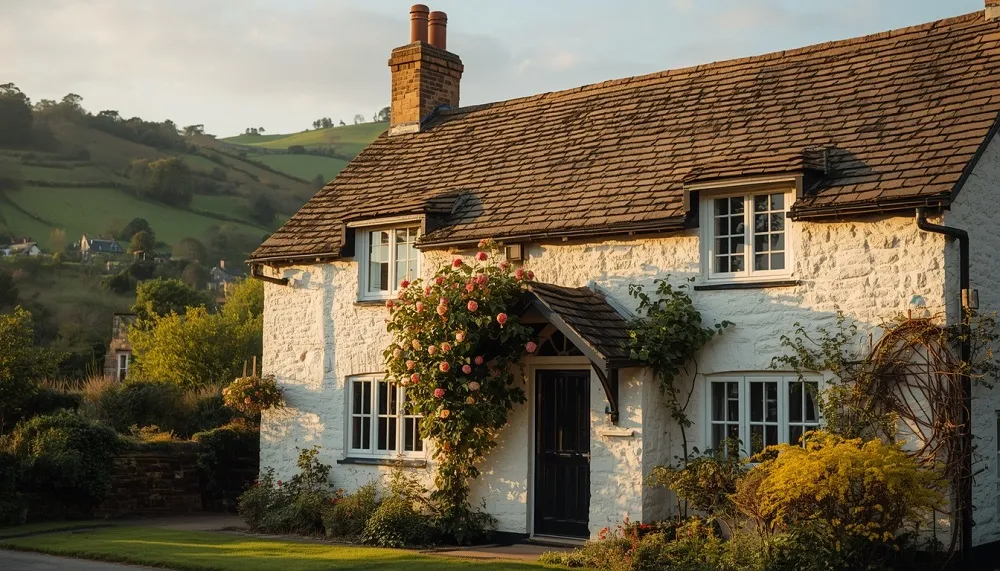
Romance in a cottage is usually quiet, not dramatic. The cottages couples remember tend to share the same qualities: a separate, comfortable bedroom, a living room that invites an evening indoors, soft lighting, a kitchen that suits cooking together, and an outdoor space where you can sit without feeling watched. Exposed beams, stone walls, and a view across fields can add character, but they do not rescue a cottage that is noisy, overlooked, or awkward to live in for two or three nights.
Privacy is the attribute that matters most, and it is also the one listings describe most loosely. A cottage described as secluded may still sit beside a busy farm track, share a courtyard with other lets, or have a garden that neighbours cross to reach their own door. Read the listing photos with that question in mind. Look for where the garden sits in relation to other buildings, whether the outdoor seating is screened, and whether the bedroom window faces a shared area. Reviews help most when they mention sound levels, privacy, and whether the listing matched reality on arrival, so give those comments more weight than praise for decor alone.
The second quality is warmth, in both senses of the word. A romantic break in autumn or winter only works if the cottage heats well and stays warm without constant attention. A log burner helps, but it is not a substitute for decent insulation, draught free windows, and a heating system that works in the bedroom as well as the living room. In summer, the same question becomes shade, ventilation, and a garden that stays pleasant in the evening. Ask about heating and hot water before you book, especially in older stone cottages where thick walls can stay cool long after the fire is lit.
Finally, think about how you actually want to spend the days. Some couples want a village base with pubs and shops on foot, while others want a remote cottage where the plan is to stay in. Neither choice is better, but mixing them up causes disappointment. A cottage ten minutes by car from the nearest pub is not a walkable village break, and a cottage on a village green is not a remote escape, however pretty the photos look. Decide which kind of break you want first, then judge the cottage against that plan, not against a generic idea of romance.
Hot Tub: Private, Screened and Sized for Two
A hot tub is the feature couples ask about most, and it is also the feature where the listing words need the closest reading. A private hot tub should mean sole use for your party, on a deck or terrace that belongs to your cottage, with no set hours imposed by other guests. A shared hot tub, by contrast, serves several cottages or a holiday park, and usually comes with timetabled sessions, shared changing areas, and less freedom over when you can soak. Our full guide to choosing a cottage with a hot tub explains the difference in detail, including the questions to ask when a listing uses the word private without explaining what it means.
Screening matters almost as much as sole use. A tub on an open deck beside a shared path, or overlooked by neighbouring cottages, does not feel private even if no one else is allowed in the water. Look for a hedge, fence, screen, or planting around the tub, and check whether the deck faces the cottage garden or a communal area. If the photos only show the tub from one angle, ask the provider where it sits in relation to other buildings and whether guests in neighbouring properties can see it. A short, direct question before booking is much easier than a disappointing arrival.
Size matters for two people as well. A tub built for eight, on a large holiday park deck, feels very different from a smaller tub sized for two or four on a private terrace. The smaller tub heats faster, feels more sheltered, and suits a quiet evening far better. Also check whether the tub is electric or wood fired, whether it is heated and ready on your first evening, and whether there are quiet hours or evening cut off times. A tub that is drained for cleaning on your arrival day, or switched off early in the evening, changes the break you pictured, so confirm the practical details in writing with your booking.
Hygiene and safety questions belong in the same conversation. Ask how often the water is tested, whether the tub is cleaned between guests, and what you should do if the water looks cloudy or the tub stops heating. Couples should also agree on the house rules before arrival, including showering before use, keeping glass away from the tub, and respecting capacity limits. These checks sound unromantic, but they are what keep a hot tub break relaxing instead of stressful, and a provider who answers them clearly is usually a provider who looks after the cottage well.
Log Burner: Warmth, Atmosphere and What to Check
A log burner changes a cottage evening in a way central heating alone rarely does. The flickering light, the warmth that builds through the room, and the ritual of lighting the fire all slow the evening down, which is exactly what a break for two is for. That is why so many romantic cottage listings lead with a log burner photograph. The fire is not just heating, it is part of the atmosphere, and for many couples it is the memory they take home.
Before booking, check the practical side of the burner. Ask whether logs are included in the price or charged as an extra, whether a starter pack is provided on arrival, and whether more logs can be bought locally or from the provider. Some cottages include a basket of logs and kindling, while others expect guests to bring their own or buy them nearby, which is awkward on a first evening in an unfamiliar village. Also ask whether the burner is the main heat source or a supplement to central heating, because a cottage that relies on one fire for the whole property feels very different on a cold night from a cottage where the fire tops up a warm house.
Safety and ease of use matter too, especially if you have never lit a log burner before. A good listing or welcome pack explains how to light it, how to control the airflow, and what not to burn. Check that the living room has a fireguard if you need one, that the chimney has been swept, and that smoke and carbon monoxide alarms are present. If you are travelling with a dog, ask where the dog sleeps while the fire is lit, and whether the living room floor and furniture suit muddy paws after a walk, as explained in our dog-friendly cottage holidays guide.

One-Bedroom vs Studio Layouts for Two
For two people, the layout of a cottage shapes the break more than the total floor area. A one bedroom cottage gives you a bedroom in a separate room from the living area and kitchen, which means one person can read or sleep while the other cooks or watches television, without either feeling crowded. Storage is usually easier too, with wardrobes and drawers that a studio layout may not have room for. For a longer stay, or for couples who keep different hours, that separation is a real comfort.
A studio layout, by contrast, puts the bed, living space, and kitchenette in a single room, with only the bathroom separate. Well designed studios can feel open and light, and they suit short stays where the couple spends most of the day out walking or exploring. Shepherds huts, converted barns, and small lodges often use this layout, and the best ones use clever storage, a good bed, and a clear division between sleeping and cooking areas to avoid feeling cramped. The risk is a studio where the bed dominates the room, the kitchenette is too small for real cooking, or there is nowhere comfortable to sit except on the bed.
When you compare layouts, check four practical details rather than the floor plan label. First, the bed size, because a small double in a studio feels very different from a king size bed in a separate bedroom. Second, the bathroom, because a bath, a good shower, and space for two sets of toiletries matter more on a romantic break than a listing usually admits. Third, the kitchen, because a cottage that suits cooking together needs worktop space, a proper cooker, and seating for two, not just a kettle and a microwave. Fourth, the seating, because two comfortable chairs or a sofa that fits two people properly will shape every evening indoors. Our self-catering accommodation guide explains what is usually included in a self-catering stay, which helps you judge whether a studio or a one bedroom cottage will actually work for the break you have in mind.
Best Regions for Couples
Couples do not need a new region for every break, they need a base that fits the kind of break they want. The Cotswolds suit couples who want honey coloured villages, pubs on foot, and gentle walking between bases, and our guide to Cotswold villages to stay in as a base compares Bourton, Stow, Burford, Broadway, and Chipping Campden for exactly that choice. A village base works best when you can walk to dinner and leave the car parked, so check parking and pub distances rather than assuming every pretty village is walkable.
The Yorkshire Dales suit couples who want bigger landscapes, quieter lanes, and a cottage that feels properly rural, with market towns like Leyburn and Settle within easy reach for dinner. Devon and Dartmoor suit couples who want moor walking from the door combined with a cosy cottage evening, and our dog-friendly cottages in Dartmoor guide shows how base choice changes a moor break even for couples travelling without a dog, because the same villages, roads, and walking access apply. Cornwall suits couples who want coastal light, harbour villages, and beach walks, but summer crowding and parking change the feel of a coastal base, so a quieter shoulder season break often suits two people better than a peak summer week.
The Lake District suits couples who want lakes, fells, and village pubs in a compact area, but it also rewards careful base choice, because a cottage beside a busy lake road feels very different from a cottage in a quiet fell village a few miles away. Wales, from Snowdonia to Pembrokeshire, suits couples who want wilder scenery and darker skies for evening hot tub soaking, with the trade off being longer drives and fewer evening dining options in the most remote spots. Wherever you choose, judge the base by the same test: can you walk somewhere pleasant from the door, can you eat well without a long drive, and can you get back to a warm, private cottage at the end of the day.

Cost for Two and Midweek Value
A break for two should usually cost less per night than the same cottage booked for a family, because you need less space, but the hot tub and log burner premium still applies. Some cottages build the tub into the nightly rate, while others add a separate charge per booking, so the only fair comparison is the total price for the same dates, the same party size, and the same included extras. Our guide to how much a UK cottage holiday costs explains how region, size, and season change that total, and why a headline nightly rate rarely tells the whole story.
Midweek breaks are where couples usually find the best value. A Monday to Friday or Sunday to Thursday stay often costs noticeably less than a Friday to Monday weekend for the same cottage, and it also brings quieter villages, easier parking, and a more private feel. Short breaks of two or three nights suit couples well, but check the minimum stay rules before you fix your dates, because some cottages only accept full weeks in peak season, while others welcome two night stays all year. Our guide to when is the best time to book a UK cottage holiday explains lead times, cheapest months, and short break rules in more detail.
Treat every price you see in a third party roundup as indicative only and verify it with the provider. Published guides vary widely, with modest two night weekend stays for two sometimes listed from around £200, mid range cottages with a private tub and log burner often higher, and premium cabins in high demand areas higher still, but region, season, tub type, and included extras change the figure so much that no single range can be relied on. Ask for the full booking summary, including cleaning fees, hot tub charges, log charges, deposits, and pet fees if you are bringing a dog, and compare totals, not headlines. If a price looks too good for a private tub and a log burner in peak season, check what is missing before you assume you have found a bargain.
Luxury features are worth paying for only when they change how the break feels. A genuinely private tub, a sheltered deck, a good bed, and a log burner that is ready to light on arrival are worth more to most couples than a larger cottage, a second bedroom you will not use, or a long list of extras you will never touch. Our luxury holiday cottage stay guide explains which premium features tend to be worth the money and which ones sound better in a listing than they feel on arrival.
Romantic Cottage Booking Checklist
Use this short checklist before you pay a deposit. First, confirm the hot tub is for your cottage only, screened, and heated and ready on your first evening, with no shared hours that clash with your plans. Second, confirm the log burner details, including whether logs are included, how the fire is lit, and whether it is the main heat source or a supplement. Third, check the layout against your break, including bed size, bathroom, kitchen, and seating for two. Fourth, confirm the base, including walking distance to pubs and shops, parking, road access, and phone signal if the cottage is remote. Fifth, confirm the full price, minimum stay, arrival day, cancellation terms, and what happens if the tub is out of order. If any answer is missing, ask the provider directly and keep the reply with your booking confirmation.
Frequently Asked Questions About Romantic Cottage Breaks for Two
Is a private hot tub worth paying extra for on a couples break?
Usually yes, if privacy is the main reason you are booking. A genuinely private, screened tub that is ready on your first evening changes the feel of a break for two far more than a larger cottage or a longer feature list. A shared tub, or a tub overlooked by neighbours, rarely delivers the same break, however attractive the headline price looks, so judge the tub by sole use and screening, not by the word private alone.
Do log burners include logs, or do we need to bring our own?
It varies by provider, so always ask. Some cottages include a starter pack of logs and kindling, some include logs for the whole stay, and some expect guests to buy logs locally or from the provider as an extra. Confirm what is included before arrival, especially for a first evening in an unfamiliar village where shops may already be closed.
Is a one-bedroom cottage or a studio better for two people?
A one-bedroom cottage usually suits longer stays and couples who keep different hours, because the bedroom is separate from the living area and kitchen. A well designed studio suits short stays where you spend most of the day out, provided the bed, kitchenette, seating, and storage are genuinely comfortable for two. Judge the layout by bed size, bathroom, kitchen, and seating, not by the label alone.
Can we book a romantic cottage for just two nights?
Often yes, especially outside peak season and for midweek breaks, but minimum stay rules vary. Some cottages welcome two night stays all year, while others only accept full weeks in peak season or set specific arrival days. Check the minimum stay and arrival day before you fix your dates, and confirm whether the hot tub charge is per booking or per night, because a per booking charge weighs more heavily on a short break.
Are romantic cottages with hot tubs usually dog friendly?
Some are, and some are adults only or pet free, so do not assume. If you are bringing a dog, check the pet fee, the number of dogs allowed, whether the garden is enclosed while others soak, and whether the dog is allowed in the living room near the log burner. Our dog-friendly guides explain the full checklist, including enclosed gardens and walks from the door, which matter just as much on a romantic break as on a family break.
Conclusion
The best romantic cottage break for two is rarely the biggest or the most expensive cottage on the list. It is the small cottage that gets the details right: a truly private hot tub, a log burner that is ready to light, a bedroom and living room that suit two people living comfortably together, and a base where you can walk, eat, and return to warmth and quiet at the end of the day. Choose the break first, then judge the cottage against it, check the tub and the fire properly, compare total prices rather than headlines, and book the midweek or shoulder season dates when the same cottage costs less and feels more private. Done that way, a cottage with a hot tub and a log burner gives a couple exactly what a hotel room rarely can: a whole small home, to yourselves, for a few unhurried days.

