
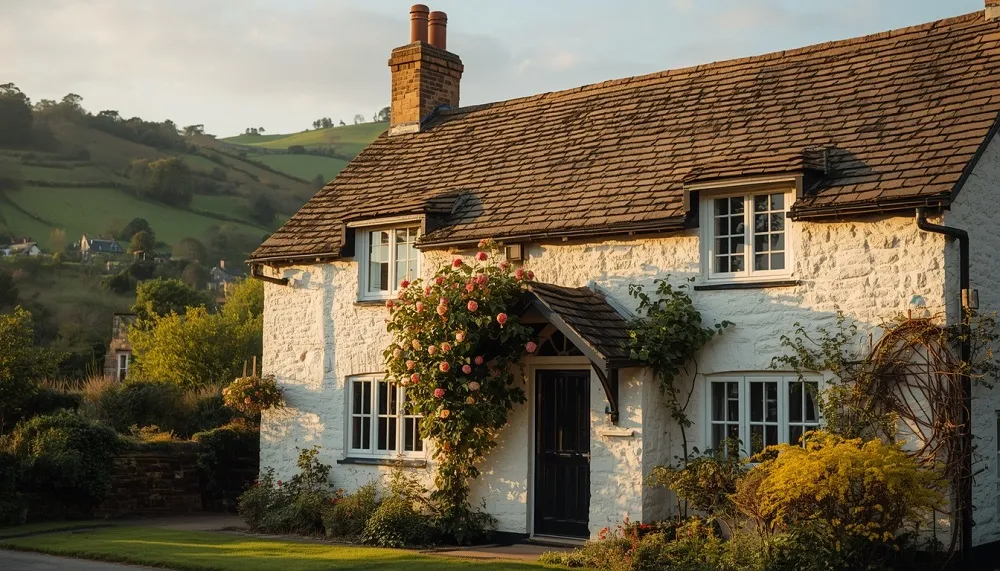
The Peak District was Britain’s first national park, designated on 17 April 1951. It covers 555 square miles across five counties, and it holds two kinds of walking country in one boundary: dark gritstone moorland in the north and soft limestone dales in the south. Around 13 million people visit each year, yet a cottage in the right village still feels quiet in the evening, because the crowds gather at a few famous spots and the rest of the park stays calm.
Choosing where to stay matters more here than in most regions, because the park is wide and the villages are small. A cottage in the wrong valley means a long drive to every walk, while the right base puts a trail, a pub and a shop within easy reach. This guide compares the best villages and towns for a self-catering break, explains what each one suits, and sets out the checks that decide whether a cottage is a good base or just a pretty listing.
What Makes a Good Peak District Cottage Base
A good base has three things: a walk from the door, a place to eat and buy food nearby, and a road out that does not trap you in one valley. Bakewell has a market, a river and a choice of walks. Castleton has the caves and Mam Tor on its doorstep, plus pubs and tearooms. Edale has the Pennine Way starting at the village pub and a station on the Hope Valley line. A cottage that offers only a view and a long drive to the nearest shop wears thin by the third day.
Parking is the other test. Many villages have one small car park and narrow streets built for carts, not cars, so a cottage with its own parking space is worth more here than a slightly bigger living room. The same goes for the walk back: a cottage up a steep lane sounds romantic until you climb it with shopping bags in the rain. Ask where the car goes and how far the cottage sits from the road before you book, not after.
The Three Peaks in One Park: Dark, White and South West
The park splits into three kinds of country, and the split decides what your break feels like. The Dark Peak covers the north, around Edale, Hayfield and Glossop: gritstone moorland, wide and open, with Kinder Scout, the highest point at 636 metres, standing over it. The walking is big and exposed, the weather changes fast, and the villages are small and plain: it suits serious walkers and people who want quiet and space.
The White Peak covers the central and southern dales, around Bakewell, Castleton, Tideswell and Ashbourne: limestone country with green valleys, dry stone walls, rivers to follow on foot, and villages built from pale stone. The walking is gentler, the pubs are closer together, and it suits families, couples and first-time visitors best. The South West Peak, around Leek and the Roaches, is a quieter corner of moorland and gritstone edges that many visitors never reach.
Best Villages to Stay In for a Cottage Holiday

Bakewell is the most practical base in the park and the easiest first choice. It sits on the River Wye in the middle of the White Peak, with a Monday market, food shops, cafes and the famous Bakewell pudding. The five-arched bridge is the postcard view, the Monsal Trail starts a short drive away, and Chatsworth House and Haddon Hall are close by. A cottage here suits a first visit, a family, or anyone who wants a town with things in reach.
Castleton is the best all-rounder for walkers who also want a village to come back to. It sits in a ring of hills under Mam Tor and Winnats Pass, with four show caves nearby, including Peak Cavern, known locally as the Devil’s Arse, and Speedwell Cavern, where the tour runs by boat underground. Peveril Castle stands above the village, the walks start from the village green, and it works for couples, families and groups alike. It fills up fast in summer and at weekends, so book early.
Edale and Hathersage suit walkers who want the hills first and the village second. Edale is a small, quiet village at the start of the Pennine Way, which has run from the Old Nags Head since the path opened in 1965, and it has a station on the Hope Valley line with trains from Manchester and Sheffield, so you can arrive without a car. Hathersage sits in the Hope Valley under Stanage Edge, with a literary link: Charlotte Bronte found the setting for Jane Eyre here, and Little John, of Robin Hood fame, is said to lie in the churchyard. Both villages have a pub and a cafe, but neither has a full shop, so bring food with you or plan a trip to Hope.
Eyam, Tideswell and Hartington suit a slower break. Eyam is the plague village, where the people sealed themselves off in 1665 to stop the disease spreading, and its small museum and church tell the story plainly. Tideswell holds the church known as the Cathedral of the Peak and keeps the well dressing tradition each summer. Hartington is a limestone village with a duck pond and a cheese-making past, close to the upper Dove valley. Ashford-in-the-Water, with its sheepwash bridge over the Wye, and Baslow, a short walk from Chatsworth, are the quiet choices near Bakewell, and a good pick when Bakewell itself is full.
Market Towns That Work as a Base: Buxton, Bakewell and Matlock
Buxton is the spa town of the Peaks, built in Georgian stone around its thermal springs, with the restored Crescent, the Opera House and the Pavilion Gardens. It has a station with trains from Manchester, the widest choice of shops and places to eat in the park, and it sits close to the Dark Peak edges and the Monsal Trail. It suits a break without a car, a longer stay, and anyone who wants town comforts with the hills nearby.
Matlock and Matlock Bath sit at the south-eastern edge of the park, on the River Derwent. Matlock is the county town of Derbyshire, with shops, a market and a station, while Matlock Bath, just down the valley, is a small resort village with the Heights of Abraham cable car above it, riverside walks and family attractions. They suit a family break and a first visit, with everything in reach and the dales a short drive away. Ashbourne, on the southern edge, works the same way for Dovedale: a market town with shops and pubs, and the stepping stones a short drive off.
Walking From the Door: The Best Cottage Bases for Walkers
Walkers should pick a base by the trail, not by the cottage. Edale gives you the Pennine Way, Kinder Scout and the Great Ridge in one spot. Castleton gives you Mam Tor, Winnats Pass and the caves, all from the village. Bakewell gives you the Monsal Trail, an 8.5 mile traffic-free path along the old Midland Railway from Blackwell Mill to Bakewell, through six tunnels reopened in 2011 and across the Headstone Viaduct. The trail is flat and wide, open to walkers, cyclists, horse riders and wheelchair users.
Dovedale suits a gentler day out, with its stepping stones across the River Dove, though it is one of the busiest spots in the park on a sunny weekend, so start early or go midweek. The Roaches, in the South West Peak, gives you gritstone edges and a quieter ridge walk, and it suits a second visit when you want space. Whatever you pick, check the walk from the cottage itself: a base with a footpath from the door beats a cottage that needs a drive to every start point, and a drying space for boots and coats is worth asking about.
Dog-Friendly Cottages in the Peak District: What to Check
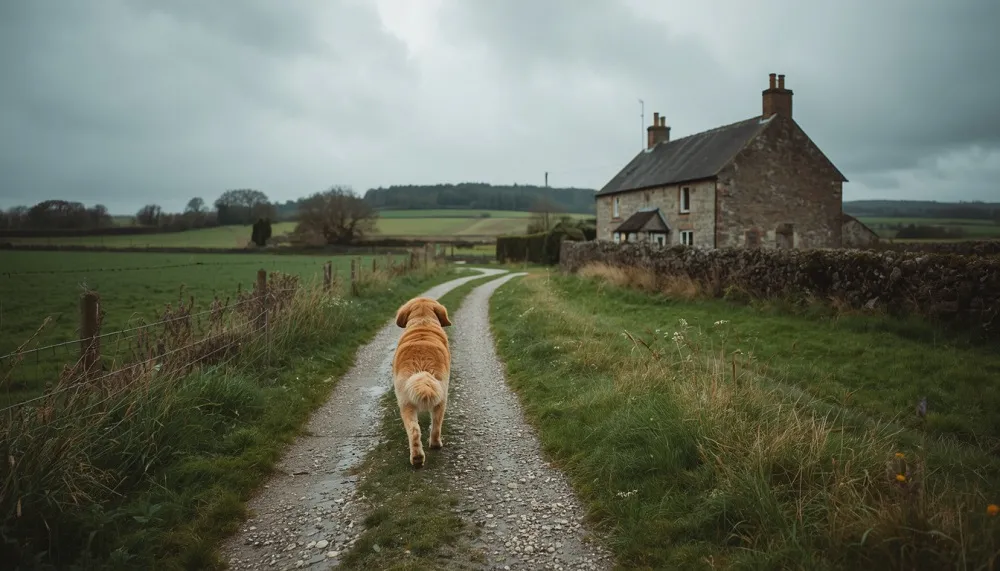
The Peak District is a fine place for a dog, but the checks matter more here than on a beach holiday, because the walking country is working farmland and open moorland. First, the garden: is it enclosed, how high is the wall or fence, and is there a gate that shuts properly? Dry stone walls keep sheep in, but a small dog can slip through a gap, so ask the owner rather than trusting the photos. Second, the pet fee and the rules: how many dogs are allowed, whether the dog can be left alone in the cottage, and whether the owner charges per dog or per stay. Our guide to dog-friendly cottage holidays in the UK sets out these checks in full.
On the walks, keep your dog on a lead near livestock, on the Monsal Trail, and on open moorland from March to July, when ground-nesting birds are breeding. The park holds around 26,000 miles of dry stone wall and plenty of sheep, so a dog that chases is a real problem. Pick a cottage with a walk from the door so the dog is not stuck in the car, and check the nearest dog-friendly pub before you go.
What a Peak District Cottage Holiday Costs
Prices swing with the season, the size of the cottage and the village, and every figure here is indicative, so verify it with the provider before you book. Hope Valley listings in late 2026 show a small two-bedroom cottage at around 400 to 575 pounds a week, with short breaks from about 70 pounds a night. A one-bedroom romantic cottage near Hope lists at around 723 to 872 pounds a week, a three-bedroom cottage sleeping six in Ashford-in-the-Water at around 1,243 to 1,634 pounds a week, with short breaks from about 200 pounds a night, and a larger barn sleeping eight at around 1,340 to 1,750 pounds a week.
School holidays and summer weekends carry the highest prices, while January, February and November are the cheapest, and midweek stays cost less per night than a weekend. The extras decide the real total: cleaning fees, linen charges, heating or log costs, a pet fee, and a deposit. A cottage that looks cheap can cost more once the extras are added, so compare the full checkout price, not the headline rate. Our guide to how much a UK cottage holiday costs sets out the ranges by region, size and season.
Parking, Pubs and Shops: The Practical Checks Before You Book
Parking first: the popular car parks at Castleton, Dovedale and Edale fill early on fine weekends, and some villages have almost no public parking at all, so a cottage with its own space is a real advantage. Ask whether the space fits your car and whether you can load and unload at the door. If the cottage has no parking, ask where the nearest car park is and what it charges, because a daily charge adds up over a week.
Then the village itself: does it have a shop, a pub and a cafe, and what days are they open? Small villages often have a pub that serves food on some days only. A cottage in Bakewell, Buxton or Matlock has all three in reach, while a cottage in Edale or Hartington needs a food shop on the way in and a plan for the evening. Check the heating too: a stone cottage warms slowly, so ask how it works and whether logs are included.
How to Choose Your Peak District Cottage: A Short Checklist

Start with the party, not the cottage. How many people are sleeping there, how many bedrooms and bathrooms do you need, and does anyone need a ground-floor bedroom or a step-free entrance? Then match the base to the break: walkers want Edale, Castleton or the Hope Valley, families want Bakewell or Matlock, couples want a quiet village like Ashford-in-the-Water or Baslow, and a group wants a larger cottage near a town with parking. Check the garden for a dog, the Wi-Fi speed for work, and the kitchen for cooking.
Before you pay, read the booking terms: minimum stay, changeover day, cleaning and linen charges, pet fees, deposit and cancellation terms. Ask the owner the questions the listing does not answer: where the car goes, how the heating works, and what is included. Our full guide to self-catering accommodation explains what a self-catering stay usually includes, from linen and towels to kitchen kit, and it is worth a read before you book anywhere in the park.
Frequently Asked Questions
Where is the best place to stay in the Peak District for a first visit?
Bakewell is the safest first base: it sits in the middle of the park with a market, shops, pubs and the Monsal Trail nearby, and Chatsworth and Haddon Hall are a short drive away. Castleton is the best first base for walkers, and Buxton is the best if you want to arrive by train and stay in a town.
Do I need a car for a Peak District cottage holiday?
A car makes the break far easier, because the buses between villages run rarely and the best walks start away from the towns. You can manage without one in Buxton, Bakewell or Edale, which have trains or buses, but most villages need a car for shopping and for reaching the trails.
What is the difference between the Dark Peak and the White Peak?
The Dark Peak is the northern moorland, built from dark gritstone, with wide open hills, Kinder Scout and exposed walking. The White Peak is the central and southern dales, built from pale limestone, with green valleys, rivers, dry stone walls and villages close together. Most first-time visitors stay in the White Peak, and walkers who want big open country head north.
Are dogs allowed on the Monsal Trail and on Peak District walks?
Yes, dogs are welcome on the Monsal Trail and on most Peak District paths, but keep your dog on a lead on the trail, near livestock, and on open moorland from March to July, when ground-nesting birds are breeding. Check the cottage garden is enclosed before you book, and ask about pet fees and whether the dog can be left alone.
When is the cheapest time to book a Peak District cottage?
January, February and November are usually the cheapest months, with midweek stays costing less per night than weekends. Summer and school holidays carry the highest prices, and the popular villages book up early. Every price is indicative, so verify the full cost, including cleaning, linen and any pet fee, with the provider.
The Peak District rewards a base chosen with care. Pick the village that matches your party and your walking, check the parking, the garden and the heating, and book the cottage for the break you actually want. Get the base right, and the park does the rest.


