
Self-Catering Accommodation: A Complete Guide to Booking the Right UK Break
Booking self-catering accommodation should feel exciting, not confusing. Yet with thousands of cottages, apartments, lodges and cabins on offer across England, Scotland and Wales, it is easy to get stuck comparing star ratings, locations and prices without knowing what actually matters.
This guide walks you through what self-catering means, how it compares to a hotel stay, how UK quality ratings work, and how to choose the right property for your group, whether that is a romantic weekend, a family holiday, or a trip with a dog in tow.
What Does Self Catering Accommodation Actually Mean?
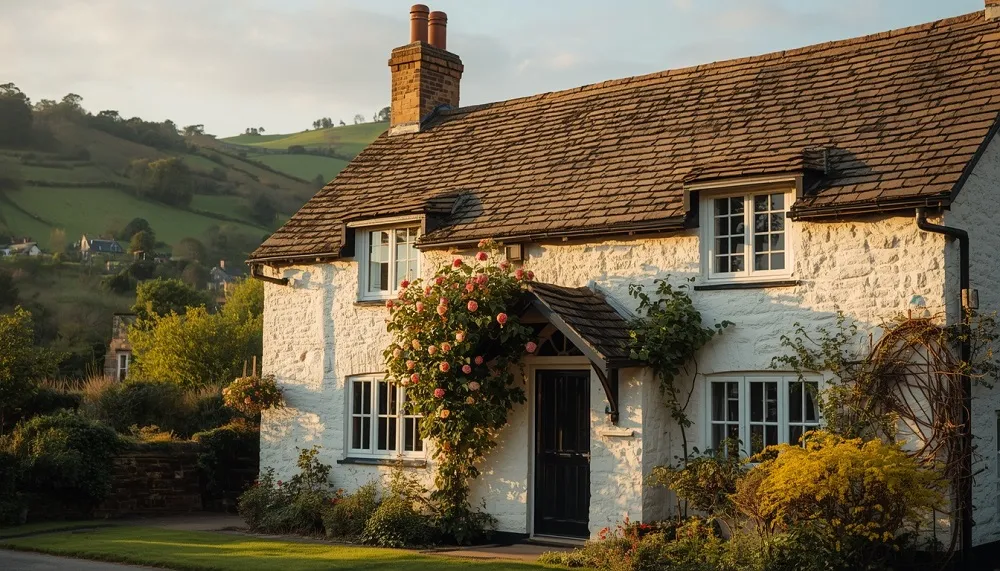
Self catering accommodation is any place to stay that comes with its own kitchen facilities, so you can cook your own meals instead of relying on a restaurant or hotel dining room. It covers a broad mix of properties, from country cottages and coastal apartments to log cabins, converted barns and shepherd’s huts.
Most self-catering places are let by the week during peak season, though short breaks of two or three nights are common outside the summer holidays. You get the whole property to yourself. There is no shared reception, no set breakfast time and no other guests wandering the corridors.
This setup suits people who want privacy and flexibility. It also tends to work out better value for families or groups, since you are paying for space rather than per person, per night.
Self Catering vs Hotels: Which Suits Your Trip?
The choice between a hotel and self-catering accommodation usually comes down to how much you value convenience versus space and control.
Hotels give you daily housekeeping, on-site food and drink, and staff on hand if something goes wrong. That convenience has a cost. You are eating out for every meal, and rooms are often tight if you are travelling with children or a larger group.
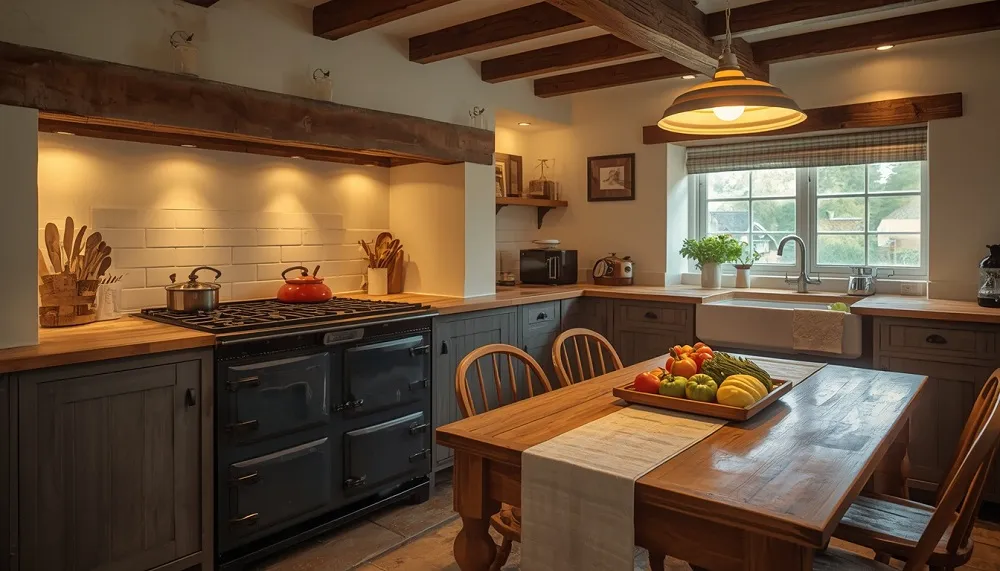
Self catering accommodation gives you a fully equipped kitchen, more living space, and the freedom to eat when you want. Cooking your own meals can bring real savings over a week away, particularly for families who would otherwise be paying restaurant prices three times a day. You also get more control over noise, temperature and routine, which matters if you are travelling with young children, elderly relatives or pets.
When a Hotel Might Work Better
A hotel still makes sense for short business trips, one-night stopovers, or if you specifically want room service and daily cleaning without lifting a finger. For anything longer than a couple of nights, especially with a group, self catering accommodation usually offers more space for the money.
How UK Star Ratings Work (And Why They Matter)
Self-catering properties in England, Scotland and Wales can be assessed under a shared quality framework, with VisitEngland, VisitWales and (previously) VisitScotland awarding one to five stars based on the same criteria. A trained assessor checks the property every year against seven key areas: bedrooms, bathrooms, cleanliness, kitchen, public areas, exterior, and how well the business is run.
One star is considered acceptable, two stars good, three stars very good, four stars excellent, and five stars exceptional. The very highest performing properties can also be awarded a Gold accolade on top of their star rating.
Not every excellent cottage carries a star rating. Joining the scheme costs the owner money, so some rely instead on guest reviews and photographs to prove quality. That does not automatically mean a lower standard of stay, but a star rating does give you an independent, third-party check before you book, rather than relying on the owner’s own description.
Types of Self Catering Accommodation in the UK
Not all self catering accommodation looks the same. Knowing the differences helps you match the property to your trip.
Cottages
The classic choice. Usually stone or brick built, often with exposed beams, a wood burner and a garden. Cottages suit couples and families who want a traditional countryside stay.
Apartments and Serviced Flats
City and coastal apartments give you self catering flexibility in a more urban setting. These work well for shorter breaks near attractions, shops or public transport, where you want the freedom of your own kitchen without needing a car.
Lodges and Log Cabins
Often found on dedicated holiday parks, lodges and cabins tend to be modern, well insulated and sometimes come with a private hot tub. They suit couples or small groups looking for a low-maintenance base close to walking trails or watersports.
Glamping and Shepherd’s Huts
For a step closer to nature without giving up a proper bed and kitchen facilities, glamping pods and shepherd’s huts are increasingly popular for short countryside breaks, particularly in spring and summer.
Self Catering Accommodation Near London
Staying just outside London rather than in the city centre can stretch your budget further while keeping you within easy reach of the sights. Areas such as the Surrey Hills, the Chilterns and parts of Kent and Hertfordshire offer countryside cottages with a train line into central London in under an hour.
This is a popular option for visitors who want a quieter base in the evening, or for Londoners themselves planning a short escape without a long drive. Look for properties near a mainline station if you plan to commute into the city for sightseeing, since parking in London itself is expensive and limited.
Self Catering Accommodation Near Manchester
Manchester’s surrounding countryside, including the Peak District to the south and the West Pennine Moors to the north, puts walking country within a short drive of the city centre. Self catering accommodation here suits visitors who want to combine a city break with hiking, or who are attending an event in Manchester but prefer a quieter base outside the centre.
Check the exact travel time into the city before booking. Some Peak District villages that look close on a map involve winding country roads that take longer than expected, especially after dark.
Self Catering Accommodation in Devon
Devon covers two very different coastlines and a large stretch of moorland in between, so location matters more here than almost anywhere else in the UK. A cottage near Salcombe or Dartmouth suits a sailing or beach-based holiday, while a base on the edge of Dartmoor suits walkers and wildlife spotters.
Coastal Devon properties get booked up quickly for the summer school holidays, often a year in advance for the most popular weeks. If your dates are fixed, book early or consider a shoulder season break in May, June or September, when the weather is often still good, and prices drop.
Self Catering Accommodation in Northumberland
Northumberland remains one of the UK’s quieter counties, with long stretches of coastline, Hadrian’s Wall, and one of the largest Dark Sky Parks in Europe. Self catering accommodation here tends to be spread across small villages rather than concentrated resorts, so a car is genuinely useful for reaching shops, pubs and attractions.
This is a strong choice for stargazing trips, castle visits, and walkers who want fewer crowds than the Lake District or Cotswolds.
Self Catering Accommodation in Yorkshire
Yorkshire spans the Dales, the Moors and a long coastline, so self catering accommodation ranges from stone cottages in Dales villages to coastal apartments in Whitby or Scarborough. Inland, towns like Skipton and Settle make good bases for walkers, with routes up fells such as Pen y Ghent within easy reach.
Along the coast, look for properties within walking distance of the harbour if you want to avoid driving and parking during peak summer weekends.
Finding Dog Friendly Self Catering Accommodation
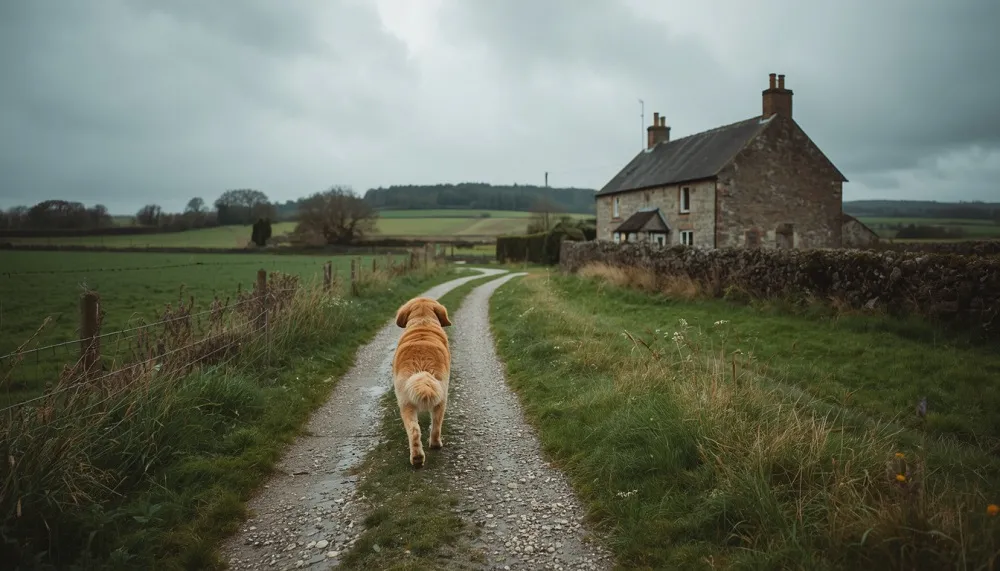
Travelling with a dog rules out a lot of hotels, which is one reason self catering accommodation has become so popular with pet-owning holidaymakers. Many cottage owners now welcome dogs as standard, sometimes for a small additional cleaning charge.
Even so, “dog friendly” can mean different things from one property to the next. Some allow dogs anywhere in the house, others restrict them to certain rooms or ask that they stay off furniture.
Questions to Ask Before You Book With a Dog
Before confirming a booking, check whether the garden is fully enclosed, whether there is a limit on the number or size of dogs, and whether nearby walks are dog friendly, since some beaches and nature reserves restrict dogs during summer months. It is also worth asking about the nearest vet, in case you need one during your stay.
What Makes Luxury Self Catering Accommodation Different?
Luxury self catering accommodation goes beyond a nice view and a comfortable bed. Expect features such as a private hot tub, high-end kitchen appliances, premium bedding, and sometimes extras like a games room, sauna, or heated pool. Many luxury properties also offer optional add-ons, such as a welcome hamper, pre-arranged grocery delivery, or a cleaning service partway through longer stays.
The price difference between a standard and luxury cottage often reflects the quality of finish and these extra touches, rather than location alone. If a hot tub, sauna or swimming pool matters to your trip, filter for it specifically rather than assuming any property described as “luxury” includes it, since standards vary between owners and agencies.
How Much Does Self Catering Accommodation Cost?
Price depends heavily on location, season and group size, but a few patterns hold across most of the UK. Coastal properties in Devon, Cornwall and Northumberland peak in price during the school summer holidays, often costing two to three times their off season rate for the same week. Properties near national parks such as the Lake District and Peak District see similar spikes around bank holidays.
Booking mid week or outside school holiday periods, where your circumstances allow it, is one of the simplest ways to bring the cost down. Splitting a larger cottage between two or three families also tends to work out cheaper per person than several separate smaller bookings.
What to Pack for a Self Catering Stay
Because you are managing your own meals and household tasks, a self-catering break needs slightly different packing to a hotel stay. Bring basic kitchen staples such as tea, coffee, oil, salt and pepper, since these are not always provided. Check the property listing for whether bedding and towels are included, as some budget cottages ask guests to bring their own.
A torch is worth packing for rural properties, particularly in Northumberland, Devon and parts of Yorkshire, where street lighting is limited or non-existent after dark. If you are travelling with a dog, pack familiar bedding and food to avoid an upset stomach from a sudden diet change.
Common Questions About Self Catering Accommodation
Is self-catering the same as an Airbnb?
Not quite. Airbnb is a booking platform that lists many types of accommodation, including self-catering properties, alongside private rooms and shared stays. A self-catering cottage booked directly through an agency and a self-catering cottage booked through Airbnb can be the same type of property, just booked through a different route.
Do self-catering cottages provide bedding and towels?
Most do, but not all. Budget properties and some independently let cottages ask guests to bring their own linen, so always check the listing before you travel.
Is self catering cheaper than a hotel?
Usually, especially for groups and longer stays, since you avoid paying for meals out and are typically paying one property price rather than per room, per person.
Can you always bring a dog?
No. Always confirm pet policies directly with the owner or agency before booking, including any extra charges, rather than assuming a property is dog friendly.
Final Thoughts on Choosing Self Catering Accommodation
The right self catering accommodation comes down to matching the property to your trip, not just picking the prettiest photos. Think about your group size, whether you are bringing a dog, how much driving you want to do, and what time of year you are travelling. A quick check of the star rating, the cancellation policy and what is actually included in the price will save you surprises after you have booked.
Whether you end up in a Yorkshire stone cottage, a Devon coastal apartment, or a luxury lodge with a hot tub in Northumberland, the appeal of self-catering is the same everywhere: a place that is genuinely yours for the length of your stay.
Looking for more inspiration? See our guides to luxury holiday cottage stays in the UK and cottages with a hot tub for specific property features, or our complete vacation rental guide for a wider look at booking a UK break.
About the author
Emily Hartley is a UK-based travel writer with 7 years of experience covering countryside stays and holiday cottages across England and Wales. She specialises in matching accommodation to specific travel needs, from dog-friendly breaks to luxury countryside stays.