Lake District Cottage Holidays: Where to Stay First Time
Choosing a Lake District cottage for the first time is less about finding the prettiest village and more about choosing the right base. The Lake District National Park covers 2,362 square kilometres in Cumbria, and it holds 16 main lakes, steep fells, quiet valleys and busy market towns. A cottage in the wrong corner can mean long drives on narrow roads every day, while a cottage in the right corner puts walks, lake cruises and a good pub within easy reach. This guide compares the main first-timer bases side by side, so you can match the place you stay to the kind of break you actually want.
If you are new to self-catering in general, start with our self-catering accommodation guide, which explains what is normally included in a cottage stay and what you need to bring. The advice below builds on that guide and stays focused on one question: where should you stay first time in the Lakes?
What Makes a Good First-Time Lake District Cottage Base?
A good first-time base does five jobs well. First, it gives you somewhere to walk straight from the door, or a short drive to a walk you have planned. Second, it has shops, a pub or cafe and a place to buy groceries without a long journey. Third, it has parking that works in practice, not just on the listing. Fourth, it keeps day trips realistic, so you are not crossing the whole National Park for every outing. Fifth, it matches your pace, whether that is busy lakeside evenings or quiet fell-side nights.
First-timers often make the same mistake: they pick a cottage for the view alone and discover too late that the nearest shop is miles away, the road is single track, or the bus service is thin. Views matter, but for a first stay, convenience matters more. You can always visit the quiet valleys for a day. Living in one for a week, with no shop and patchy phone signal, is a different experience.
Think about your party before you think about a postcode. Walkers want fell access and a drying space. Families want a flat walk to the lake, a playground or beach, and a cottage with room to spread out. Couples want a quiet cottage with a log burner or a bath, and a village with good places to eat. Dog owners need an enclosed garden and walks that do not cross busy roads. Each base below suits some of these groups better than others, and the notes say so plainly.
Windermere and Bowness-on-Windermere: The Easiest First Stay
Windermere is England’s largest lake, at about 10.5 miles long, and the towns of Windermere and Bowness-on-Windermere sit at its heart. This is the easiest first stay in the Lakes, and the best choice if you are travelling by train, travelling with children, or visiting for a short break. Trains run on the branch line to Windermere station, after a change at Oxenholme on the West Coast Main Line, and Windermere Lake Cruises link Bowness with Ambleside and Lakeside.
Staying here gives you the widest choice of cottages, restaurants, shops and lake activities in one place. You can take a cruise, hire a rowing boat, walk the lakeside paths, and still be back for dinner without driving. The trade-off is crowds. Bowness in particular gets very busy in school holidays and on summer weekends, and parking can be slow. If you want a quieter cottage, look slightly outside the centre, in Windermere town itself or in a lane above Bowness, rather than right on the promenade.
Choose Windermere and Bowness if: it is your first ever Lakes visit, you are coming without a car, you want lake cruises and family attractions close by, or you want the largest choice of places to eat. Look elsewhere if your main goal is serious fell walking or total quiet, because the central fells are a drive away and the lakeside towns are never truly quiet in peak season.
Ambleside: The Central Base for Walkers and Lake Days
Ambleside sits at the northern end of Windermere and is the most central base in the Lakes. That central position is its great strength. From Ambleside you can reach Windermere for a cruise, Grasmere for a gentle village day, the Langdale valleys for serious walking, and Rydal Water for an easy lakeside stroll, all without a long drive. For many first-timers, Ambleside is the best all-round compromise between activity and access.
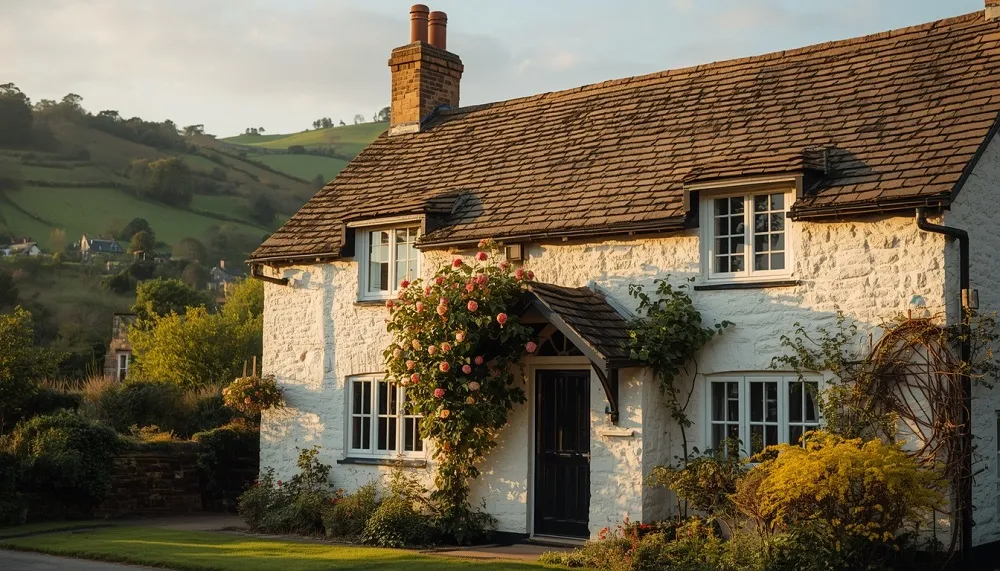
The town itself is a proper walking hub, with outdoor shops, cafes, pubs and restaurants, and a good range of cottages from small stone terraces to larger family houses. Walks start from the town, including routes up Loughrigg Fell and along the Rothay, and Waterhead pier gives you a cruise option on days when you want a rest. Ambleside also works well without a car, since the Stagecoach 555 bus connects Windermere, Ambleside, Grasmere and Keswick.
Ambleside suits walkers, couples and families who want a mix of walking and sightseeing. It is less suited to anyone who wants a quiet village or a cheap stay, because it is popular and central, and prices and parking reflect that. If you book here, check the parking arrangement carefully, and ask whether the cottage has a dedicated space or relies on street parking.
Keswick: The Northern Lakes Market Town
Keswick is the capital of the northern Lakes, a lively market town on the shores of Derwentwater. It has a market, a good range of shops, pubs and cafes, a theatre, and a lakeside that is made for easy days: a cruise on Derwentwater, a walk to Friars Crag, or a gentle circuit of the lake shore. For walkers, the northern fells rise close to town, including Skiddaw and Cat Bells, and the town is a natural base for the higher, wilder country.
Keswick feels more like a working town than a resort, which many visitors prefer. It stays lively outside peak season, it has a supermarket for self-catering shops, and it is known as a very dog-friendly town, with many pubs and cafes welcoming dogs. If you are bringing a dog, read our dog-friendly cottage checklist before you book, and confirm the garden is enclosed rather than simply assuming it is.
Choose Keswick if you want a northern base, you plan to walk the higher fells, you like a market-town atmosphere, or you are travelling with a dog. Be aware that Keswick is reached by road rather than rail: the nearest stations are Penrith for the northern Lakes, with a bus or taxi onward. Drivers should also note that summer weekends can be busy, so book parking-friendly cottages early.
Grasmere and Rydal: The Quiet Village Choice
Grasmere is a small village a few miles north of Ambleside, famous for its connection to William Wordsworth, who lived at Dove Cottage, and for its gingerbread. Rydal, just south of Grasmere, is smaller and quieter still. Together they offer the classic first-timer village stay: stone cottages, a village green, a couple of pubs and cafes, and gentle walks to Rydal Water and Grasmere lake.
Grasmere suits couples and walkers who want a slower pace and do not mind a smaller choice of places to eat. It works as a base for easy and moderate walks, including the coffin route to Rydal and the climb to Alcock Tarn, and it is close enough to Ambleside for a bigger day out. It is less suited to families who want attractions on the doorstep, or to anyone who wants to eat out somewhere different every night, because the village choice is small and books up fast in season.
One practical note: Grasmere is small, so parking and shop choice are limited. For a self-catering stay, plan a supermarket shop on arrival, or check whether the cottage owner or a local shop offers deliveries. That small bit of planning turns a pretty village into a comfortable base.
Coniston, Hawkshead and the Quieter South-West
Coniston Water and the village of Coniston offer a quieter, wilder flavour of the Lakes. The lake is less crowded than Windermere, the Old Man of Coniston gives walkers a proper fell day, and Brantwood on the eastern shore adds a cultural stop. Hawkshead, nearby, is a car-free village of courtyards and cobbled lanes, close to the Beatrix Potter story at Hill Top, near Sawrey.
This corner suits second-time visitors and first-timers who already know they want quiet over convenience. It is also a good choice for couples: small cottages, village pubs, and lake days without the Bowness crowds. If you want a cottage with a hot tub for a romantic break, read our guide to romantic cottage breaks for two with a hot tub and log burner and check the hot tub rules and heating costs before you book.
The trade-off is distance. Coniston and Hawkshead are further from the main road network and from the railhead at Windermere, so a car helps a lot here. Bus services exist but are thinner than on the 555 corridor. If you are travelling without a car, this corner is harder work than Windermere, Ambleside or Keswick.
Ullswater and Glenridding: The Calmer Eastern Lakes
Ullswater is often called the most beautiful of the Lakes, and Glenridding, at its southern end, is its main village base. Ullswater Steamers run along the lake, the valley walks are gentler than the high fells, and the area feels calmer than Windermere even in summer. For families and for walkers who want scenery without crowds, Ullswater is a strong first-timer choice that many guides overlook.
Glenridding has pubs, a few shops and a good range of cottages, but it is a village, not a town, so choice is smaller and evening dining needs booking. Pooley Bridge, at the northern end of Ullswater, is another option, closer to Penrith and the M6 for drivers coming from the north. Both suit visitors who want lake days, easy to moderate walks, and a quieter evening than Bowness or Keswick.
Choose Ullswater if you want a calmer lake, a scenic steamer trip, and walks that do not start with a steep fell climb. It is less suited to visitors who want a wide choice of restaurants, or who want to be in the middle of everything, because day trips to Windermere or Keswick are longer drives from here.
Town, Village or Fell-Side Cottage: Which Setting Suits You?
The setting matters as much as the town. A town cottage gives you shops, pubs and buses on foot, but also more noise and less privacy. A village cottage gives you character and quiet, but fewer services and a greater need for a car. A fell-side or rural cottage gives you views and space, often with a garden and parking, but narrow lanes, longer drives to shops, and a real dependence on the car.
For a first stay, the safest order is: town first, village second, isolated cottage third. Once you know how you use a Lakes base, you can trade convenience for quiet with confidence. A rural cottage can be wonderful, but only if you have checked the access road, the parking, the heating, and the distance to the nearest shop in daylight terms, not just on a map.
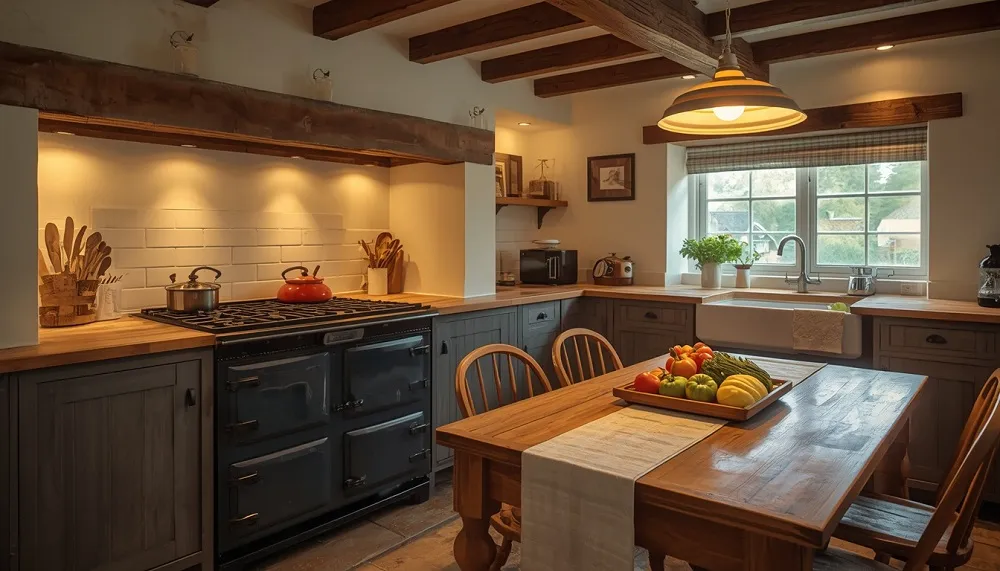
Cottage type matters too. A stone terrace in Ambleside and a detached barn conversion outside Keswick are different stays, even at the same price. Check the number of bathrooms against the number of guests, whether the living room fits everyone together on a wet evening, whether there is a drying space for wet walking gear, and whether the kitchen is equipped for real cooking rather than just tea and toast. Our guide to cottages with a hot tub also explains how to check a feature like a hot tub properly, rather than booking on the photo alone.
Parking, Driving and Travelling Without a Car
Driving in the Lakes is part of the holiday, and it needs honest planning. Roads between the main towns are good, but valley lanes are narrow, with passing places and occasional farm traffic. In summer, the road around Windermere and the A591 between Windermere, Ambleside, Grasmere and Keswick can be slow, so allow extra time and avoid planning three far-apart stops in one day.
Parking is the detail that catches first-timers out. Some cottages include a dedicated space, some rely on a public car park, and some have no parking at all in a village centre. Ask the owner or agency directly: where exactly do we park, is it included in the price, and how far is it from the door with luggage? In busy towns, a cottage with parking is worth more than a slightly prettier cottage without it.
Travelling without a car is possible, but only from the right base. Windermere, Bowness, Ambleside, Grasmere and Keswick are all on the 555 bus route, and lake cruises add another way to travel. Ullswater Steamers and Keswick Launch work the same way on their lakes. Without a car, avoid isolated cottages and quiet corners like the far western valleys, where buses are rare. With a car, you have the full choice, but you still need to check parking at both the cottage and the walks you plan.
What a Lake District Cottage Should Include
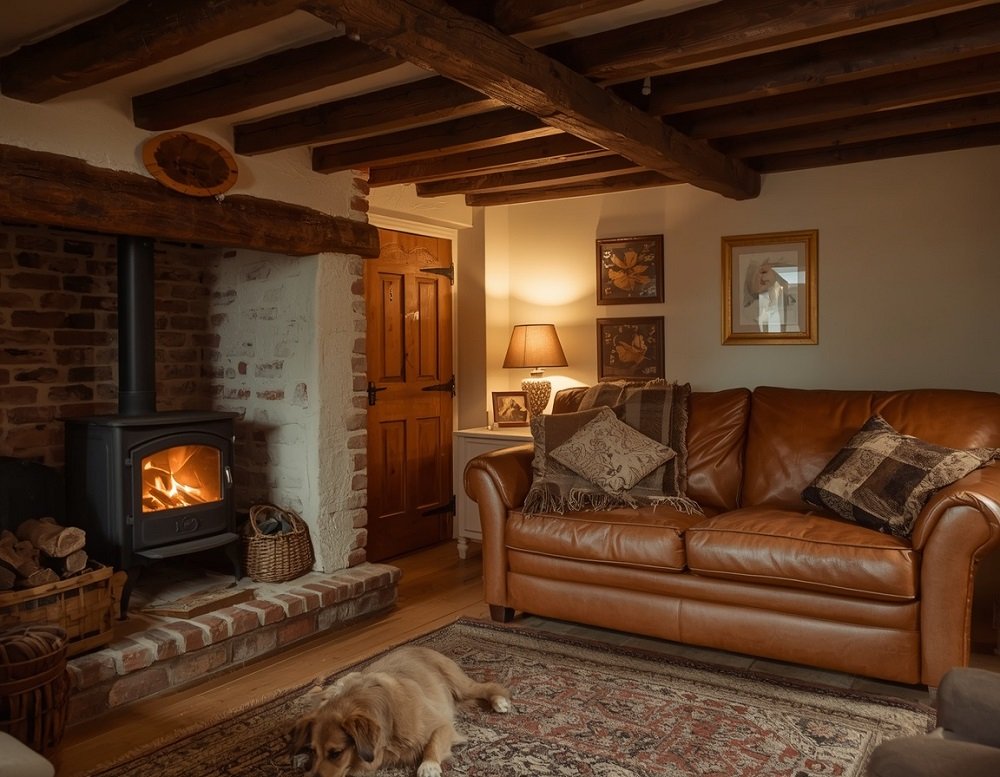
Self-catering in the Lakes has its own checklist. Heating matters more here than in a southern coastal cottage, because even summer evenings can be cool and a fell-side cottage can be exposed. Check whether heating is included in the price or charged extra, whether there is a log burner and whether logs are supplied, and whether the cottage has a drying area for boots and waterproofs.
Linen and towels are normally included in a UK cottage stay, but not always, so confirm it rather than assuming it. The same applies to a welcome pack, a travel cot, a high chair, and a dog fee. Ask about the dog rules in writing: how many dogs, whether the garden is enclosed, and whether dogs can be left alone in the cottage. These are the questions that turn a good booking into a relaxed week.
Also check the practical details that listings sometimes gloss over: mobile signal and Wi-Fi strength, especially in valleys; the steepness of stairs for older guests; whether the cottage is up a track that needs a confident driver; and the arrival and departure times. A cottage that looks perfect in photos can still be wrong if the stairs, the track or the signal do not suit your party.
When to Go and What It Costs
The Lakes are a year-round destination, but the experience changes sharply by season. Summer and school holidays bring the warmest weather, the fullest cruise timetables and the busiest towns. Spring and autumn bring quieter paths, lower prices and beautiful light, with a higher chance of rain. Winter brings short days, quiet villages, log-burner evenings and the chance of snow on the high fells, but some attractions and boat services run reduced timetables.
For a first visit, late spring or early autumn is often the best balance: good daylight, quieter roads, and a wider choice of cottages. If you can only travel in school holidays, book early, choose a town base with parking, and plan your walks for early mornings. If you want the lowest prices and the quietest villages, a midweek stay outside school holidays is usually the best value, but check what is open before you book.
Prices are indicative only and vary by cottage size, location, season and features, so always verify the total price with the provider before booking, including cleaning fees, pet fees, linen charges and any heating supplement. Our UK cottage holiday cost guide explains how prices vary by region, size and season, and our when to book guide covers lead times and cheaper months in more detail. As a rule, larger cottages and hot tub cottages cost more, central honeypot towns cost more than quiet valleys, and peak weeks book first.
How to Choose Your First Lake District Base in Five Steps
Step one: pick your trip type. Walkers should lean towards Ambleside or Keswick. Lake and family days point to Windermere and Bowness. A quiet couples break points to Grasmere or Coniston. A calm scenic week points to Ullswater. Step two: decide on a car. Without one, stay on the 555 corridor. With one, the whole park opens up, but check parking at the cottage.
Step three: shortlist cottages in one base, not five. Comparing cottages across the whole park makes every choice harder. Pick your base, then compare cottages inside it on size, bathrooms, parking, heating and garden. Step four: verify the total price and the small print, including dog fees, linen, heating and cancellation terms. Step five: book the cottage, then plan walks and lake days around it, rather than the other way round.
If you are torn between two bases, the tie-breaker is simple: choose the one with the better parking and the easier grocery shop for a first stay. You will enjoy the scenery more when the practical side is easy. You can visit the other base for a day trip, and you will know within a day whether it should be your base next time.
For comparison, our guides to other regions use the same base-first method: the Cornwall coastal bases guide compares north and south coast bases, and our Cotswold villages guide compares village and market town bases. The method is the same everywhere: choose the base for your trip type, then choose the cottage inside it. The Lakes reward that approach more than most regions, because the difference between bases here is so large.
Frequently Asked Questions
Where is the best place to stay in the Lake District for the first time?
For most first-timers, Ambleside or Windermere and Bowness are the safest choices. Ambleside is the most central base for walking and lake days, while Windermere and Bowness are the easiest for trains, cruises and family attractions. Keswick is the best northern base, and Grasmere suits a quieter village stay.
Do I need a car for a Lake District cottage holiday?
Not necessarily. If you stay in Windermere, Bowness, Ambleside, Grasmere or Keswick, you can use the 555 bus and lake cruises to get around. A car gives you much more freedom, especially for quiet valleys, Coniston and the western Lakes, but check parking at the cottage before you book.
Which Lake District base is best for walkers?
Ambleside and Keswick are the strongest walker bases. Ambleside is central for the Langdales and central fells, while Keswick gives access to Skiddaw, Cat Bells and the northern fells, plus Derwentwater for rest days. Grasmere suits gentler walks and a slower pace.
Which Lake District base is best for families?
Windermere and Bowness are the easiest family base, with cruises, attractions, shops and restaurants close together. Keswick is another strong family choice, with a market town, a lakeside, and easy walks. Ullswater suits families who want a calmer lake and quieter days.
Is the Lake District good for a dog-friendly cottage holiday?
Yes, the Lakes are very dog-friendly, and Keswick in particular is known for welcoming dogs. Always confirm the garden is enclosed, check the dog fee and the rules on leaving dogs alone, and choose walks that suit your dog, avoiding busy roads and livestock areas where dogs must be on a lead.
When is the best time for a first Lake District cottage holiday?
Late spring and early autumn often give the best balance of daylight, quieter roads and cottage choice. Summer is the busiest and most expensive time, while winter suits quiet breaks and log-burner evenings but has shorter days and reduced boat timetables. Book peak weeks early, and verify opening times and total prices with the provider.
For a different kind of first-timer region comparison, see our Yorkshire Dales area guide, which compares bases in another northern national park landscape. Whichever region you choose, the rule is the same: pick the base first, check parking, heating and the total price, and then choose the cottage that fits your party.