Norfolk Cottage Holidays: Best Villages to Stay In as a Base
Norfolk is the flattest, widest and most open county in England, and it suits a cottage holiday in a way few other places do. The north coast runs for more than ninety miles of sand, shingle and salt marsh. Inland, the Broads give you a hundred and twenty-five miles of lock-free waterways through reed beds and grazing marsh. The villages are small, the skies are big, and the pace is slow enough that a week in one cottage feels like a proper break.
This guide compares the best villages to stay in as a cottage base, from the north Norfolk coast and the Broads to Norwich, so you can match the base to the break you want. If you are new to self-catering, start with our self-catering accommodation guide. Treat every price here as indicative, and verify it with the provider before you book.
Why Norfolk Suits a Cottage Holiday So Well
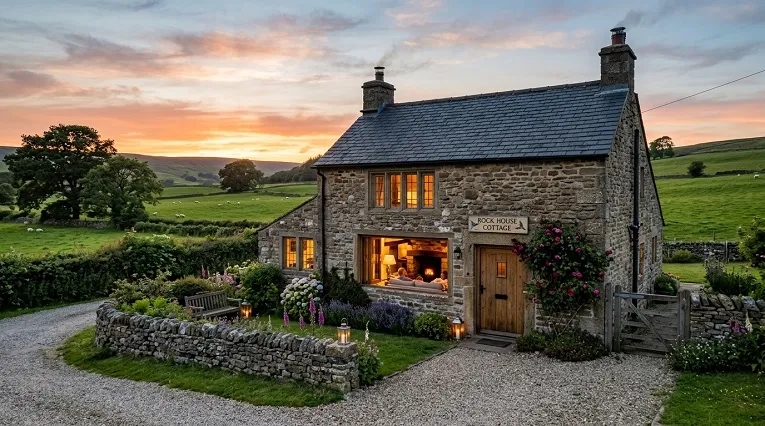
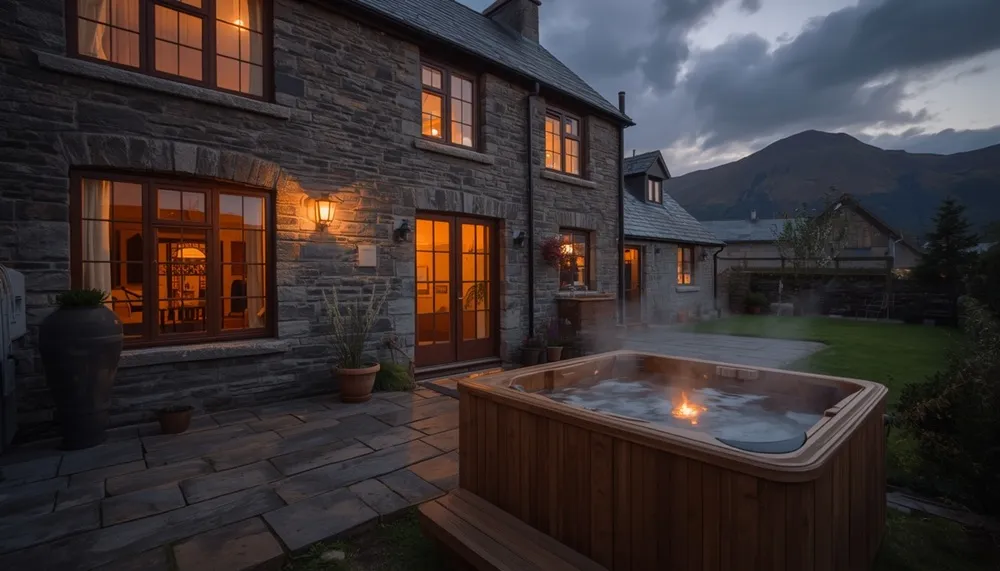
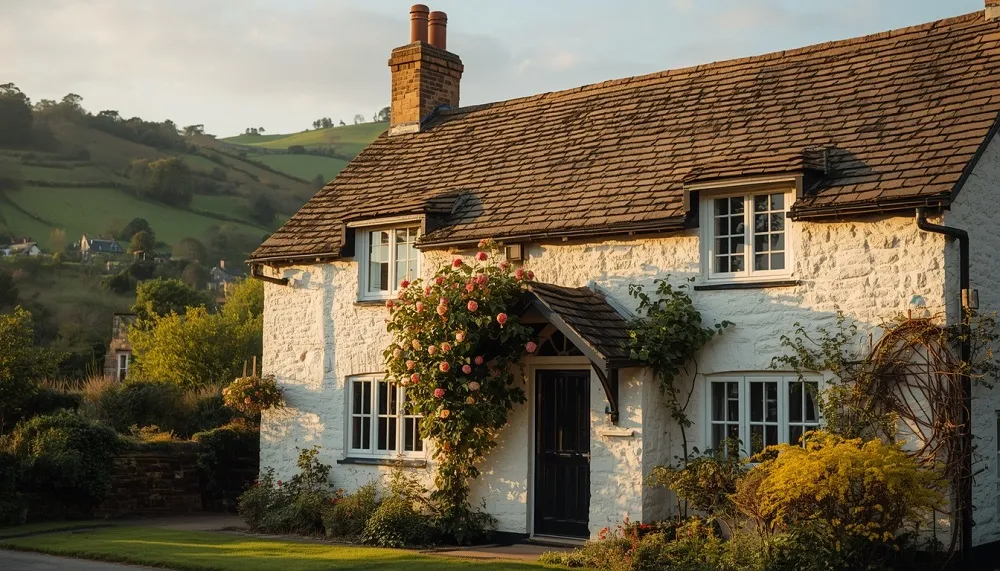
Norfolk works as a cottage county because it offers three different holidays in one place. The north coast is for beaches, salt marsh and big skies. The Broads is for water, boats and wildlife. Norwich is for a city base with a cathedral, a market and good food, and the Broads running right through it. Most stays are flint fishermen’s cottages on the coast, brick and flint village cottages inland, and waterside cottages beside the Broads rivers. Gardens, wood burners and enclosed gardens for dogs are common.
The county is also one of the driest parts of the country by rainfall, which helps when you are planning a week outdoors. The light is wide and low, the walking is flat, and the distances are short enough that one good base can serve a whole week. Pick the right village and the beach, the river and the pub are all close at hand.
How to Pick Your Base: Coast, Broads or City
Start by choosing the water. If you want sand underfoot every day, stay on the north coast between Hunstanton and Cromer. If you want boats, reeds and kingfishers, stay in the Broads around Wroxham, Horning or Potter Heigham. If you want shops, restaurants and a cathedral close by, stay in Norwich and use it as a base for both.
Then decide between a village cottage and a town cottage. A village cottage gives you quiet lanes, a pub and a marsh walk from the door, but it means driving for shopping. A town cottage in Wells, Cromer or Sheringham puts shops and a beach within walking distance, and it suits a first visit. Neither is better. It depends on what you want from the week.
The North Norfolk Coast: Wells, Holkham and Blakeney
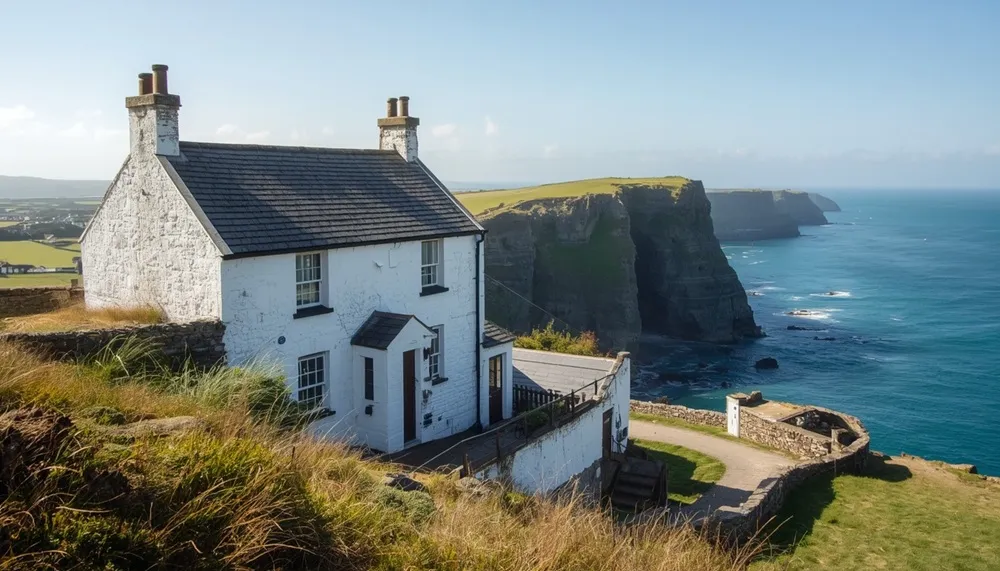
The stretch from Wells-next-the-Sea to Blakeney is the prettiest part of the Norfolk coast, and it makes the best first base for a cottage holiday. Wells is a working harbour town with a beach of painted huts and pinewoods, though the beach sits apart from the town along Beach Road, so check the walk before you book. Holkham, next door, has some of the widest sands in England, backed by pinewoods and the parkland of Holkham Hall, with its walled garden and hall to visit on a wet afternoon.
Blakeney is a National Trust sailing village on the marshes, and it is the place for seal-watching trips. Boats leave from Morston Quay for Blakeney Point, which holds one of the largest grey seal colonies in the country. Cley-next-the-Sea, a short walk along the marsh path, has a windmill, a shingle beach and a nature reserve that draws birdwatchers. Cottages here are flint and brick, often with enclosed gardens, and they suit walkers, birdwatchers and anyone who likes a quiet evening.
Cromer and Sheringham: Classic Seaside Towns
If you want a livelier base, Cromer and Sheringham are the two towns to choose between. Cromer is the pier-and-crab town at the centre of the coast, set under low cliffs, and its Victorian pier is home to the last end-of-pier theatre in the United Kingdom. The town has shops, cafes and a Blue Flag beach, and it works well for families who want everything on foot.
Sheringham sits a few miles west, below the heath, with its own Blue Flag beach and a steam railway. The North Norfolk Railway runs heritage trains from Sheringham to Holt, which makes a good half day with children. Mundesley, just east of Cromer, is a quieter cliff-top village with its own Blue Flag beach, and it suits anyone who wants the seaside without the crowds. East Runton and West Runton, between the two towns, are smaller still, with fossil-hunting on the beach and a slower pace.
Burnham Market and Holt: Smart Villages a Mile Inland
Some of the best cottage bases in Norfolk are not on the coast at all. Burnham Market is a smart Georgian village about a mile inland, nicknamed Chelsea-on-Sea, with a green, a deli, a hotel and a handful of good places to eat. It is a short drive to the marsh villages of Brancaster and Thornham, which are popular with walkers and birdwatchers, and to the wide sands at Holkham.
Holt is the other inland choice, a Georgian small town set back from the sea, with antique shops, cafes and a market. It is the inland end of the steam railway from Sheringham, and it makes a good base for anyone who wants a town feel with the coast a short drive away. Cottages in both villages tend to be larger and better equipped than the small fishermen’s cottages on the coast, and they suit couples and families.
Wroxham and Horning: The Broads at Its Busiest and Best
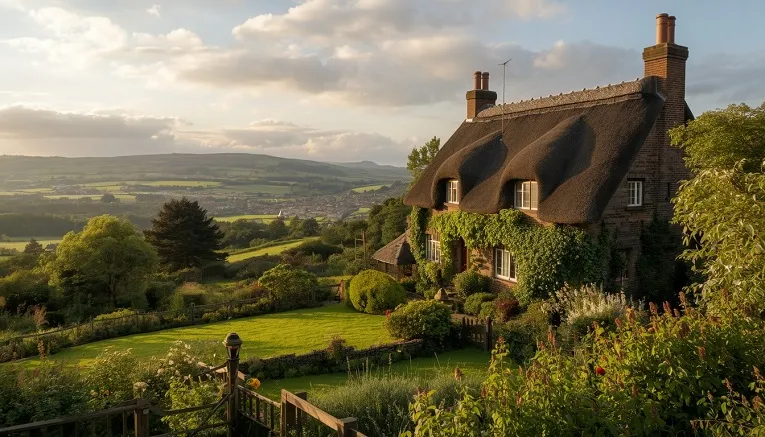
Wroxham is known as the Capital of the Broads, and it is the natural first base for a waterside cottage holiday. The village sits on the River Bure with a broad stretch of water in front of it, and it has the widest choice of boat hire, shops and places to eat on the Broads. Cottages down the quieter lanes towards Belaugh and Coltishall sit well away from the boatyards, and they suit anyone who wants the water without the bustle.
Horning, a few miles downstream, is the better choice for families. The village has a staithe and a green, a couple of places to eat, and a flat footpath along the river that suits short legs. Cottages on the Lower Street side are a few minutes from the water, and several have their own moorings if you fancy a day boat. The Bure Marshes National Nature Reserve sits nearby, and the river here is wide and calm enough for a first paddle.
Potter Heigham, Hickling and the Quiet Broads
If Wroxham feels too busy, head further up the Bure. Potter Heigham suits a slightly older crowd or a family with teenagers who want to mess about in a canoe. The village is small, with a pub, a couple of shops and a boatyard or two, and its low medieval bridge catches out first-time boaters. Cottages out towards Hickling give you more space and a shorter drive to the nature reserve.
Hickling Broad is the largest of the broads, and it is worth the trip on its own. The reserve has a raptor roost in winter and a good circular walk, and the water is shallow and still in a way the main rivers are not. Ranworth, nestled between two broads, is one of the best places on the Broads for nature, and Reedham, on the gently winding River Yare, suits a slow break. Beccles, over the border in Suffolk on the River Waveney, belongs to the quieter southern Broads and makes a good base for a market-town stay with water close by.
Norwich: A City Base With the Broads on Its Doorstep
Norwich is the only English city with part of a national park in its midst, because the stretch of the River Wensum that flows through the city is part of the Broads. That makes it a real option as a cottage base rather than just a day trip. The city has a cathedral, a castle, a market and a strong food scene, and cottages on its fringes put all of that within a short walk or bus ride.
From Norwich the Broads are an easy drive east, and the north coast is under an hour away by car. The Wherryman’s Way runs for thirty-five miles between Norwich and Great Yarmouth, following the River Yare most of the way, and you can pick up short sections rather than walking the whole trail. Norwich suits a break that mixes a city and the countryside, and it works well in winter, when the coast villages go quiet and the city stays open.
Hunstanton and the Wash: Sunsets and Family Beaches
Hunstanton is the one Norfolk resort that faces west, so it takes the sunset over The Wash, and its striped cliffs are unlike anything else on the coast. The town has a Victorian core, a long beach and plenty of family seaside, and it suits a first visit with children who want arcades and ice cream as well as sand.
Heacham, just south, is quieter. Great Yarmouth, on the east coast, is a full seaside town with a pier, a funfair and a long golden beach, and it suits a family that wants a resort rather than a village. Horsey, north of Great Yarmouth, is the quiet end of this coast, and in winter it draws visitors to see the grey seal pups on the beach. Pick Hunstanton for sunsets and family beaches, and Yarmouth if you want a proper resort week.
When to Go and What It Costs
July and August bring the warmest sea and the highest prices, and the north coast villages and the Broads both fill up. The school holidays are the hardest weeks to book, and the best cottages in Wells, Blakeney and Wroxham go months ahead. Spring, from April to June, suits birdwatching and the Broads, when the reeds are fresh and the rivers are quiet. Autumn brings quieter roads and good light, and winter suits Norwich and the seal-watching beaches at Horsey and Blakeney, when the grey seal pups arrive. See our guide to how much a UK cottage holiday costs for the full picture on pricing by region, size, and season.
The coast costs more than the inland villages, and a waterside cottage with its own mooring costs more than the same cottage a lane away from the river. Work out the cost per person per night before you compare cottages, and check what is included: linen, heating, a pet fee and a deposit all change the real total. Cottages in Burnham Market and Holt often give you more space for the same money as a small cottage on the front at Wells or Cromer, so compare the whole week, not just the headline price.
Getting Around Norfolk: Cars, Trains and Boats
You will need a car for most Norfolk cottage bases. The county is broad, the villages are spread out, and buses between the coast villages are thin, though Norwich has good bus and train links and a main-line station to London. A car also matters because the best beaches, such as Holkham and the Wells beach, sit apart from their villages, and the Broads villages are joined by lanes.
On the water, no licence or prior experience is needed to hire a boat on the Broads, and day boats can be hired at Wroxham, Horning and Potter Heigham without booking a full week afloat. Book the day boat for a Tuesday or Wednesday if you can, because weekends on the Bure are busier and the hire rates are higher. The rivers are calm and easy to navigate, and the low bridges, especially at Potter Heigham, are the one thing to check before you set off.
How to Choose Your Norfolk Cottage: A Quick Checklist
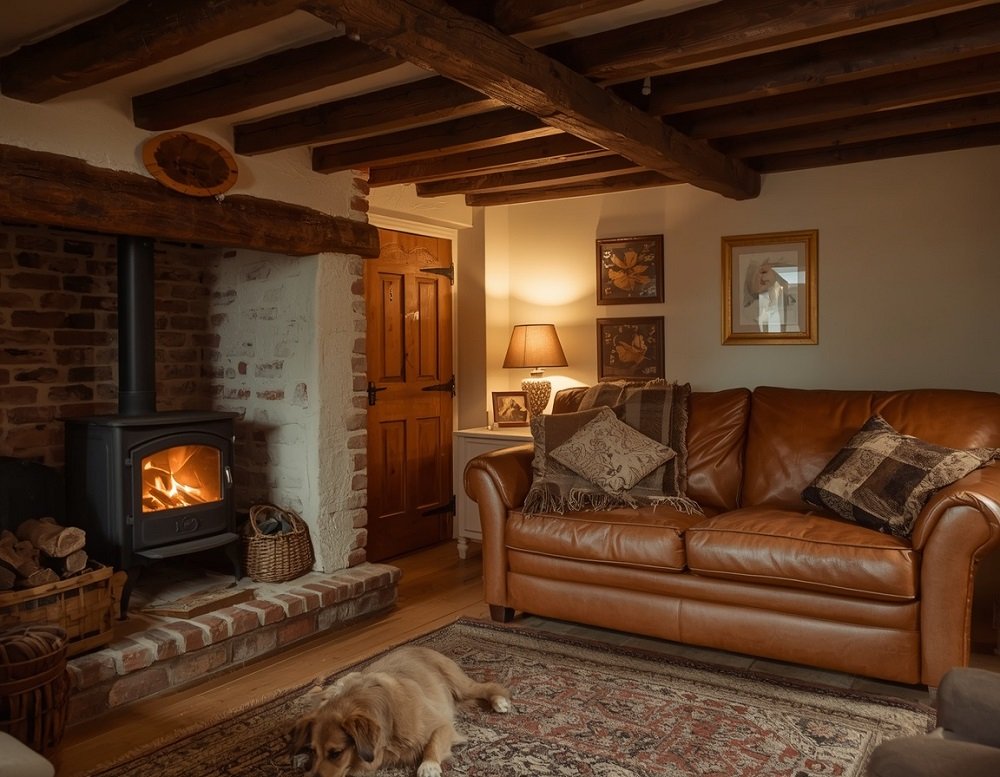
Start with the shape of your break. A week gives you one base properly, whether that is the coast or the Broads. A long weekend means one village and short drives. Then check the changeover day: many cottages change over on a Friday or a Saturday, and in summer many ask for a week at least.
Then check the practical details. Parking matters, because village streets are narrow and some cottages have no space of their own. A shop and a pub within walking distance matter too, because a cottage miles from both means driving every evening. Ask whether the beach allows dogs in summer, because several north Norfolk beaches restrict dogs in the warm months, and check the garden is enclosed if your dog needs it. Ask about heating and whether it is included, and read the cancellation terms, including what happens to the deposit. Norfolk rewards a slow base and a short list of plans. Pick one village, pick a cottage with a pub and a shop in walking distance, and book early for the school holidays.
Frequently Asked Questions
Is Norfolk good for a cottage holiday with a dog?
Yes, Norfolk is one of the most dog-friendly cottage counties in England, and the flat marsh walks and long beaches suit dogs well. Ask how many dogs are allowed, what the fee is, and whether the garden is enclosed. Check the seasonal dog rules on the beach you plan to use, because several north Norfolk beaches restrict dogs in summer. See our guide to dog-friendly cottage holidays for the full checklist.
Do I need a boat to enjoy the Norfolk Broads from a cottage?
No. A cottage beside the river gives you the water, the reeds and the wildlife from the garden, and the riverside paths and waterside pubs are all on foot. A day boat is a good extra, and it can be hired by the day at Wroxham, Horning and Potter Heigham, with no licence or prior experience needed.
When should I book a Norfolk cottage for the school holidays?
Months ahead for July, August and the half terms, because the best cottages in Wells, Blakeney, Cromer and Wroxham go first. Spring and autumn are easier to book, and Norwich works well as a late booking because it has more cottages and stays open all year.
Which part of Norfolk is best for families with young children?
Horning on the Broads and Cromer on the coast are the two easiest choices. Horning has a flat riverside path, a staithe and a green, and the river is wide and calm. Cromer has a Blue Flag beach, a pier and shops on foot. Hunstanton suits a family that wants a classic seaside week with arcades and a long beach.
Is one week enough to see Norfolk from one cottage base?
One week is enough for one part of Norfolk done well. The north coast from Hunstanton to Cromer fills a week, and the Broads deserves the same. Pick the coast or the Broads for this break, add a day in Norwich, and leave the other half for next time.