
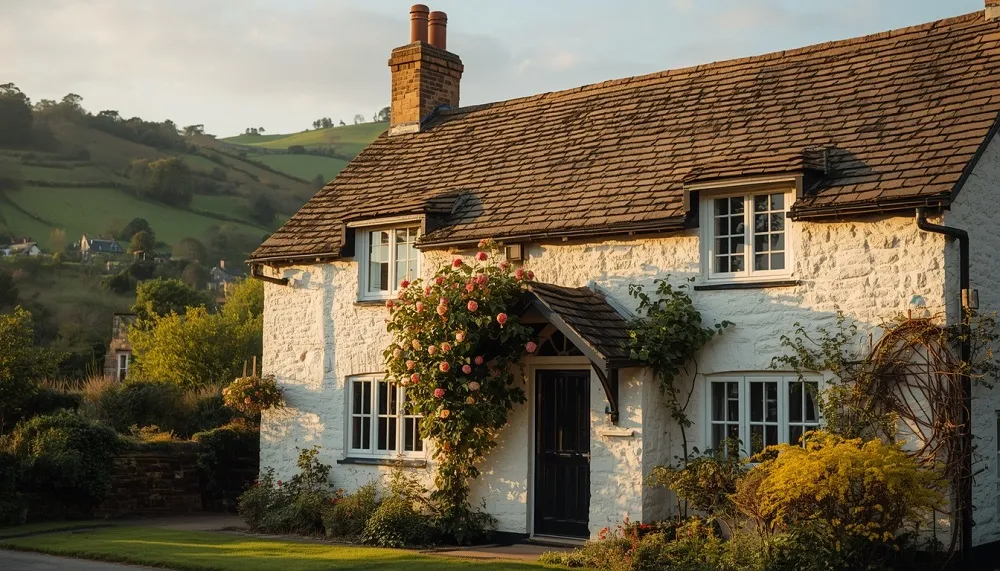
Devon Cottage Holidays: Best Villages to Stay In as a Base
Devon is the only county in England with two separate coastlines, and that is why choosing a base matters more here than in most places. A cottage in Woolacombe puts you on surf sand and Exmoor cliffs, while a cottage in Salcombe puts you on a sailing estuary with a different sea, different walks and different weather. With two national parks and the Jurassic Coast in the mix, a wrong base can mean an hour in the car before the day starts. Pick the village first and the cottage second, and the week falls into place.
This guide looks at the villages that work best as a base for a self-catering stay. Each one is judged on the same things: walks from the door, a shop and a pub within reach, parking that works, and a cottage stock that suits the kind of break you want. If you are new to this kind of holiday, our self-catering accommodation guide explains what is included and what to pack before you book anywhere.
North Devon or South Devon: Which Side Suits Your Break?
North Devon is the wilder side. The coast runs from the tall cliffs of Exmoor down to the surf beaches of Woolacombe and Croyde, then flattens into the Taw and Torridge estuaries around Barnstaple and Bideford. Villages here are smaller, the weather is more changeable, and the walking is some of the best in England. It suits walkers, surfers and families who want big beaches.
South Devon is softer and busier. The South Hams has sailing towns, river estuaries and sheltered coves, while the east has the Jurassic Coast and Regency seaside towns like Sidmouth. Dartmoor sits in the middle, so a South Devon base can mix a beach morning with a moor walk in the afternoon. If you cannot decide, ask one question: do you want surf and moor, or sailing and sheltered water? The answer picks your side.
Woolacombe, Croyde and the North Devon Surf Coast
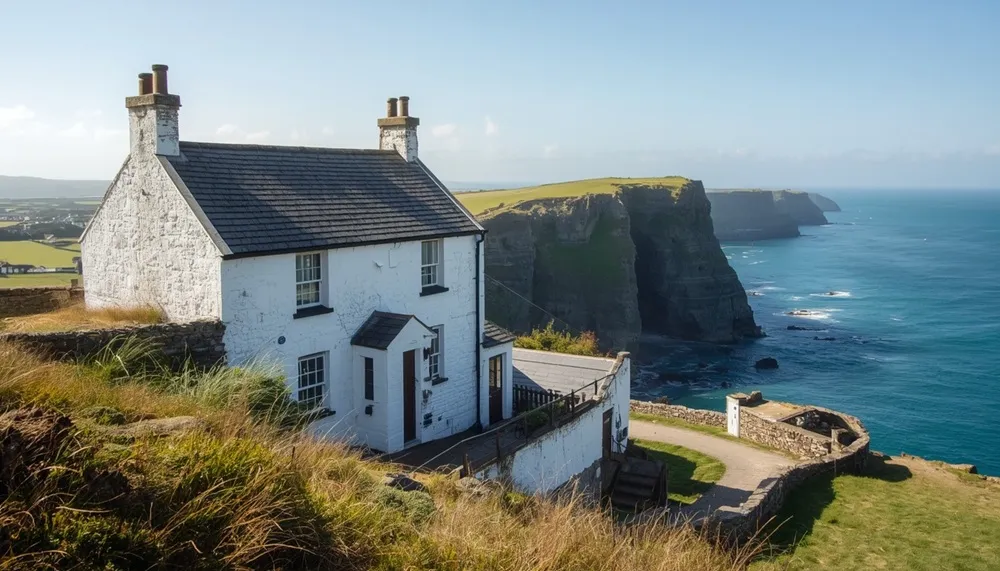
Woolacombe is the classic North Devon base for a beach holiday. Its sand runs for miles, the surf is gentle enough for beginners, and the village has everything a family needs within a short walk: cafes, surf hire, a shop and places to eat. Woolacombe was once rated the best beach in Europe, and it feels like it on a summer weekend, so book a cottage a little back from the front if you want quiet evenings. Parking fills early in the school holidays, so a cottage with its own space is worth paying for.
Croyde is smaller and livelier, with a surf scene that suits confident surfers better than first timers. The coastal path over Baggy Point gives a fine evening walk. Ask about the dog rules before you book for the summer: the main beach at Croyde excludes dogs from 1 May to 30 September, so check the signs and the cottage listing together.
Lynton, Lynmouth and the Exmoor Edge
Lynton and Lynmouth are two villages in one stay. Lynton sits on the cliff top, Lynmouth sits at the foot of the cliffs where two rivers meet the sea, and the cliff railway links them in a few minutes. It is a lovely base for walkers, because the South West Coast Path runs through both villages and the Valley of Rocks is a short walk from Lynton. The cliffs here are among the tallest sea cliffs in England.
Stay here if you want Exmoor on your doorstep without giving up the sea. The moor rises straight behind Lynton, and the walks from the village cross heather, wooded valleys and open moorland in a single afternoon. Cottages in Lynton tend to be small stone houses and flats, many of them up steep lanes, so check the steps and the parking before you book. Lynmouth has more cottages close to the harbour and the river.
Ilfracombe, Combe Martin and the Quiet North Coast
Ilfracombe is the biggest town on this stretch of coast, and it works well as a base because it has a harbour, a good choice of places to eat, shops that stay open out of season, and a seafront that suits an evening walk. The town has several small beaches and coves, and the coastal path east towards Combe Martin and west towards Woolacombe starts right from the harbour. Many cottages here take dogs all year, which suits a winter break.
Combe Martin is quieter, a long village that runs down a valley to a small sandy beach. It is a good base for a peaceful week, with a shop, a pub and a beach that feels local rather than touristy. The main beach excludes dogs from 1 May to 30 September, but nearby Newberry Beach welcomes dogs all year, so a dog-friendly cottage here still works in the summer if you know where to walk. The coastal path towards Heddon Valley is steep, with fine views, so it suits walkers who like a proper day out.
Barnstaple, Bideford and the Tarka Trail Villages
Barnstaple is the market town at the heart of North Devon, and it is the most practical base in the county if you want shops, a station and a choice of restaurants without staying in a resort. The town sits on the River Taw, and the Tarka Trail runs through it on a flat, traffic-free path that follows the old railway line to the coast at Braunton and inland to Meeth. Families with bikes or pushchairs do well here, because the trail is easy and the coast is a short ride away.
Bideford is smaller and more old-fashioned, with a quayside, a bridge over the Torridge and a good base for the estuary villages of Appledore and Instow. Instow sits where the Taw and the Torridge meet, with a sandy beach and calm water. The Tarka Trail is 180 miles in a figure of eight, and 32 miles of it run on the old railway line between Braunton and Meeth, so a cottage near the trail gives you car-free days out all week.
Dartmouth, Salcombe and the South Hams
Dartmouth is the prettiest town in the South Hams, set on the steep banks of the River Dart with a castle at the mouth of the river and a ferry across to Kingswear. It is a sailing town first and a holiday town second, so it stays lively through the winter and has good restaurants, galleries and independent shops. Cottages here are often steep-staired and short on parking, so ask the owner about the walk from the car park and the number of steps before you book. A ferry ride to Kingswear puts you on the coast path in minutes.
Salcombe sits on a sheltered estuary and is the most expensive base in Devon, with good reason: the water is calm, the beaches are sandy, and the town has a smart, relaxed feel. Two-bedroom cottages here start from around 346 pounds a week in the low season, according to Sykes listings checked in late November 2026, and summer prices run far higher, so check the exact price with the provider before you plan around it. Dartmouth two-bedroom cottages start from around 410 pounds a week in the low season on the same listings, and short breaks from around 140 pounds a night appear on Dartmouth listings too.
Totnes, Tavistock and the Dartmoor Edge

Totnes is a good base if you want Dartmoor, the river and the coast in one week. The town sits on the River Dart with a market, independent shops and a station, and the river runs down to Dartmouth through green valleys. Cottages in Totnes tend to be town houses with gardens, which suits families who want a base with life in it. From here you can drive onto the moor in half an hour or take the train to the coast.
Tavistock sits on the western edge of Dartmoor and is the best base for the wilder side of the moor. It is a market town with a pannier market, a river walk and good pubs, and the moor rises straight from the town. Chagford and Moretonhampstead sit on the eastern edge and suit walkers who want to step onto the moor from the village, with Castle Drogo, the Teign Gorge and Canonteign Falls all within a short drive. A cottage on the moor edge needs good heating and a drying space, because Dartmoor weather changes fast.
East Devon: Sidmouth, Beer, Branscombe and the Jurassic Coast
East Devon is the quiet corner of the county, and it suits anyone who wants coast walks, thatched villages and a slower pace. Sidmouth is a Regency seaside town with red cliffs, a long esplanade and a good choice of cottages, and it is the most comfortable base in the east because it has shops, cafes and a theatre. The Jurassic Coast starts at Orcombe Point just east of Exmouth, a UNESCO World Heritage Site that runs 95 miles to Dorset and covers 185 million years of earth history.
Beer is a small fishing village with a shingle beach, working boats and a brook that runs down to the sea, and it is one of the prettiest places to stay in the county. Branscombe is a long village strung along a valley down to the sea, with thatched cottages, a forge and a beach reached on foot. East Devon cottages are often smaller and older, so check the ceiling heights, the stairs and the heating before you book.
Devon With a Dog: Beaches, Moors and Village Cottages
Devon is one of the best counties in England for a cottage holiday with a dog, but the rules change from beach to beach, so a base with a year-round beach nearby makes the week much easier. Saunton Sands welcomes dogs on the whole beach all year, and Woolacombe welcomes dogs south of Mill Rock all year, which is most of the beach. Ilfracombe has several small beaches that take dogs all year, and Newberry Beach near Combe Martin does the same. Most seasonal bans run from 1 May to 30 September, and Teignbridge starts a month earlier, on 1 April, so an Easter trip to Teignmouth or Dawlish is already inside the season. Always read the signs on the day.
On the moors, keep your dog on a lead near livestock and ground-nesting birds, and carry water on a warm day, because the open moor has few streams in summer. A cottage with an enclosed garden matters more in Devon than in most counties, because many villages have narrow lanes with no pavement and a dog that slips out of the door is straight onto the road. Our dog-friendly cottage holidays guide explains the checks in full, from garden fences to beach rules and packing.
When to Go and What a Devon Cottage Costs
The cheapest months for a Devon cottage are January, February and November, when two-bedroom cottages in Salcombe and Dartmouth start from around 346 to 410 pounds a week on Sykes listings checked in late November 2026. Prices rise through spring, jump in the school holidays, and peak in August, when a popular village can cost double the winter price. Short breaks from around 140 pounds a night appear on Dartmouth listings, but a short break in August is rare, and many cottages ask for a full week in the school holidays. The best value weeks are often late June, early September and the weeks just before Easter.
Book early for the school holidays and for Christmas, because the best cottages in Woolacombe, Salcombe and Dartmouth go months ahead. May and September are easier, and a midweek break outside the holidays can cut the price by a third. Check the changeover day before you book, because many Devon cottages change over on a Friday or a Saturday. Our guide to how much a UK cottage holiday costs breaks down the ranges by region, size and season, with the hidden extras to watch for.
How to Choose Your Devon Cottage
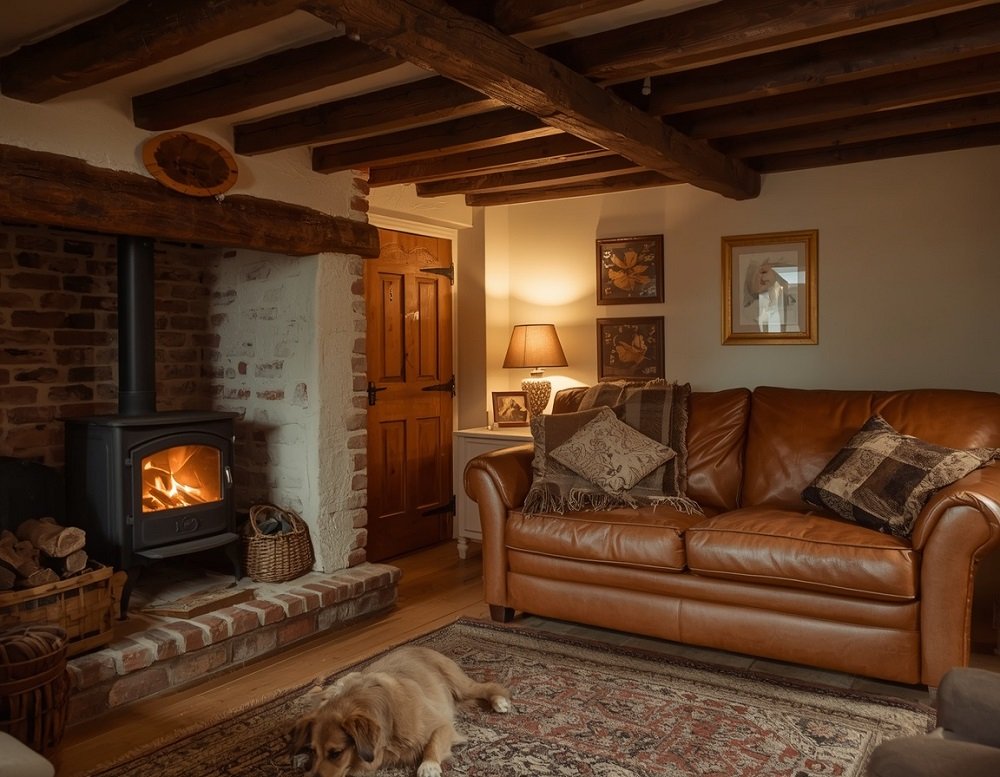
Start with the map, not the cottage. Pick the side of the county that suits your break, then pick the village, then look at cottages in that village. A cottage in the wrong village is a week of driving, while a plain cottage in the right village gives you walks from the door and a pub to walk to. Check the parking first: many Devon villages have narrow lanes and no space outside the cottage.
Then check the practical things the listing often hides. Ask about the stairs, because many Devon cottages are old stone houses with steep, narrow stairs. Ask about the heating, because a cottage that is warm in July can be cold in February. And ask what is included: bedding and towels are usually provided, but logs for the burner, dishwasher tablets and a starter pack of tea and coffee are often not. A short message to the owner before you book answers all of this in a day.
FAQs About Devon Cottage Holidays
Which part of Devon is best for a first cottage holiday?
South Devon is the easiest first choice, because Salcombe, Dartmouth and the South Hams have sheltered water, good restaurants and a wide choice of cottages. North Devon suits a second visit, when you want surf beaches, Exmoor and long coastal walks. For the moor and the sea in one week, base around Totnes or Tavistock.
Do I need a car for a Devon cottage holiday?
Yes, for most villages. Barnstaple, Totnes, Tavistock and Ilfracombe have buses and trains, and the Tarka Trail gives you car-free days around Barnstaple, but the best villages, beaches and moor walks sit apart from the bus routes. A car also matters because the best walks and beaches sit a drive from their villages.
Can I take my dog to Devon beaches in the summer?
Yes, on the year-round beaches. Saunton Sands, Woolacombe south of Mill Rock, Ilfracombe’s small beaches and Newberry Beach near Combe Martin all welcome dogs all year. Most other main beaches ban dogs from 1 May to 30 September, and Teignbridge starts on 1 April, so check the council rules for the beach you want and read the signs on the day.
When should I book a Devon cottage for August?
Months ahead, because the best cottages in Woolacombe, Salcombe and Dartmouth go first. May, June and September are easier to book, and bases around Barnstaple, Bideford, Totnes and the Axe Valley stay available longer. Book early for the school holidays, and check the changeover day and minimum stay first.
Is Devon good for a walking holiday from a cottage?
Yes, it is one of the best counties in England for it. The South West Coast Path runs 630 miles in total, with about 90 miles along the north Devon coast and 115 miles along the south, and the Tarka Trail adds 180 miles of walking and cycling in the north. Dartmoor covers 368 square miles of open moor, so a cottage near the path or the moor edge gives you a different walk every day.
Devon rewards a slow week. Pick one village, settle into a cottage with a garden and a pub in walking distance, and let the two coasts, the moors and the river valleys do the rest. Leave room in the week for a walk you had not planned.