Hampshire Cottage Holidays: Best Villages to Stay In as a Base
Hampshire is the county where the New Forest meets the Solent, and that mix is what makes it such a good place for a cottage holiday. In the morning you can walk out of a village cottage onto open heathland where ponies graze beside the lane. By the afternoon you can be on a shingle beach looking across the water to the Isle of Wight. Add Winchester and the South Downs to the east, and you have three kinds of break inside one county.
This guide compares the best villages to stay in as a cottage base, from Lyndhurst and Brockenhurst in the heart of the forest to Lymington and Milford on Sea on the coast, and Winchester in the east. If you are new to self-catering, start with our self-catering accommodation guide. Treat every price here as indicative, and verify it with the provider before you book.
What Makes a Good Hampshire Cottage Base
A good Hampshire base has three things: a shop and a pub within walking distance, a walk you can reach from the door without driving, and a cottage with a garden that suits the place. In the New Forest the garden matters more than usual, because ponies and cattle wander through the villages, so a properly enclosed garden is worth more than a bigger lounge.
The county splits into three territories: the New Forest in the south-west, with its villages, heathland and ancient woodland. The Solent coast runs along the south, from Barton on Sea past Lymington to Portsmouth. The South Downs and Winchester sit to the east, with chalk hills, downland villages and a cathedral city. Pick your territory first, then pick your village inside it.
Lyndhurst and Brockenhurst: The Heart of the New Forest
Lyndhurst is the capital of the New Forest, and it makes the best first base in the county. The village sits at the meeting point of the main forest roads, with tea rooms, shops, pubs and galleries, and the open heath begins at the edge of the village. William the Conqueror made the forest a royal hunting ground in 1079, and the National Park was designated on 1 March 2005, covering about 566 square kilometres, mostly in Hampshire with a small part in Wiltshire.
Brockenhurst is the prettier, quieter choice, and the best base if you want to leave the car behind. Ponies and donkeys wander through the streets, the village has a mainline station with direct trains from London, and cycle hire shops serve more than a hundred miles of waymarked gravel tracks through the woodland and heath. The Pig, the country hotel that started here, makes a good lunch stop. Pick Brockenhurst for a car-free break, and Lyndhurst for a first visit with everything close at hand.
Beaulieu and Buckler’s Hard: River, History and Quiet Lanes
Beaulieu is the chocolate-box village of the New Forest, set on the river of the same name, and it suits a slow, grown-up break. The village holds the National Motor Museum, and the abbey ruins sit beside the river. A short walk or drive downstream brings you to Buckler’s Hard, the old shipbuilding village where wooden ships were built for the navy, now a quiet row of cottages along the water. Canoeing trips run along the Beaulieu River in the warmer months.
Beaulieu works best for couples and for anyone who wants a quiet base rather than a busy one. The village has a pub, places to eat, and walks along the river and into the woodland. It is less central than Lyndhurst, so you will drive more, but the lanes around it are among the prettiest in the forest.
Lymington, Milford on Sea and the Solent Coast
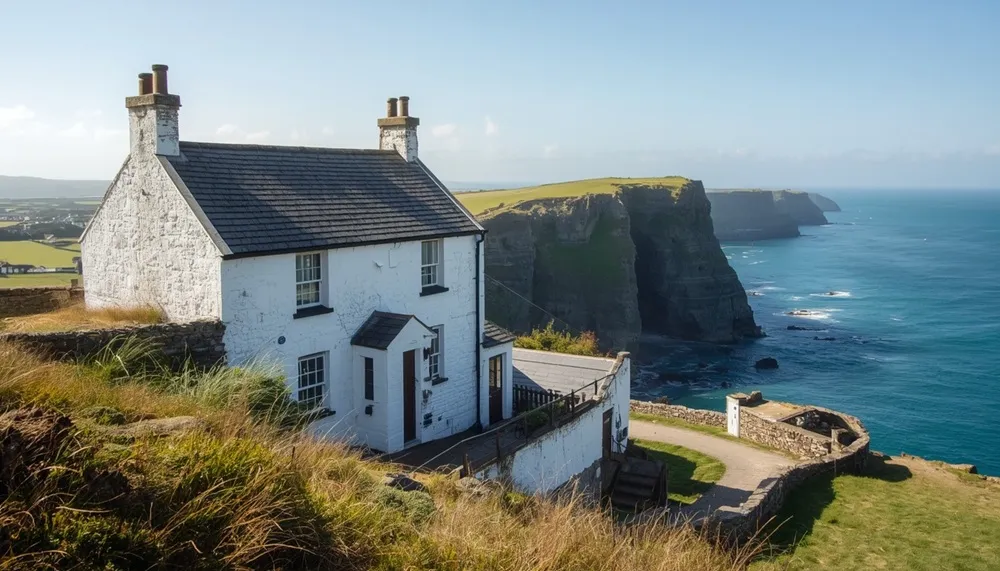
Lymington is the handsome harbour town on the south edge of the forest, and it makes the best coastal base in Hampshire. The town has a Georgian high street, a Saturday market, a marina full of sailing boats, and ferries across to Yarmouth on the Isle of Wight. It works well for a week that mixes coast and forest.
Milford on Sea sits a few miles along the coast, and it is the quieter seaside choice. The village has a mostly shingle beach, clifftop walks with views across the Solent to the Isle of Wight and the Needles, and Hurst Castle, the artillery fortress built under Henry VIII, reached on foot along the spit or by a small ferry from Keyhaven. Barton on Sea, just to the west, has cliffs good for fossil hunting, and its beach welcomes dogs all year. Pick Lymington if you want a town with a harbour, and Milford on Sea if you want the coast without the crowds.
Fordingbridge, Ringwood and Burley: The North and West Forest
Fordingbridge is the market town of the north forest, set on the River Avon under the Great Bridge with its seven graceful arches. It makes a good base for the quieter northern half of the park, with pubs and shops on the high street and walks along the river. The villages around it, like Godshill and Martin, give you country cottages with gardens at prices below the central forest villages.
Ringwood sits at the western edge of the forest, and it is the easiest base to reach, just off the main road from the west. It is a working market town rather than a picture village, which makes it practical, with supermarkets, pubs, and quick access to the whole park. Moors Valley Country Park is close by, with woodland trails that suit families. Burley, a short drive into the heath, is the village for a quiet break, with its witchcraft shops, a village green, and open heath in every direction. Sway, between Brockenhurst and Lymington, is another quiet option with a station and friendly pubs.
Winchester and the South Downs: City, Chalk Hills and Villages
Winchester is the county town of Hampshire and the former capital of England, and it makes a good base for a break that mixes town life with the countryside. The city sits on the River Itchen at the western end of the South Downs National Park, about sixty miles south-west of London. Its cathedral is the longest Gothic cathedral in Europe, more than 170 metres long, built from 1079, and the writer Jane Austen is buried in its nave. The city has a market, independent shops and the Great Hall.
The South Downs Way starts in Winchester, at the City Mill, and runs a hundred miles along the chalk ridge to Eastbourne. The first section, to the village of Exton, runs about twelve miles, and it makes a good day walk from a Winchester base. Petersfield and Alton make good village bases further east along the downs, with stations, pubs and walks from the door, and Jane Austen’s House stands at Chawton, near Alton. Pick Winchester for a city break with country walks, and the downland villages for a quieter stay.
Hampshire With a Dog: Ponies, Heath Rules and Beaches
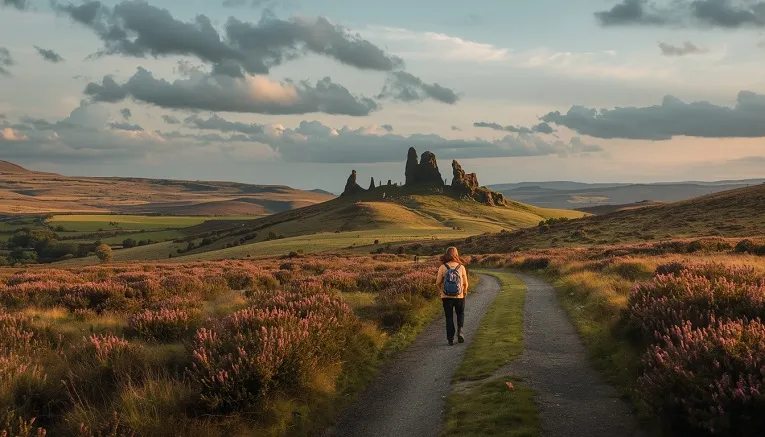
Hampshire is a strong county for a cottage holiday with a dog, but the New Forest asks more of dog owners than most places. Around 5,000 ponies, 3,000 cattle and 200 donkeys roam free across the forest, through villages and across roads, and they are working livestock, not pets. Never let a dog approach or chase them, keep dogs on a lead near livestock and alongside roads, and if cattle approach, let the dog off the lead so it can get clear.
The ground-nesting bird season runs from March to July, and during those months you should keep your dog on a lead on the open heath and stick to the main tracks, to protect birds like curlew, nightjar, Dartford warbler and woodlark. Forestry England asks for care over a wider window, from late February to the end of August. The fenced woodland blocks, called Inclosures, are the exception: dogs are generally fine off the lead on their tracks all year. From September to November, pigs are released onto the forest for pannage, to eat acorns that are toxic to ponies, so keep dogs on a lead where pigs are foraging. Dogs are banned from the water at Hatchet Pond all year.
The beaches are generous. Milford on Sea, Barton on Sea, Hordle Cliff and Hurst Spit all welcome dogs all year, and the New Forest coast has no council beach bans. Lepe is the exception to watch: dogs are welcome in the country park, but not on the main family beach between April and September, so read the signs on the day. Further east the rules tighten: Salterns Road beach at Hill Head, Southsea and Stokes Bay all ban dogs from 1 May to 30 September. When you book, ask how many dogs the cottage allows, what the fee is, and whether the garden is enclosed. See our guide to dog-friendly cottage holidays for the full checklist.
Walking and Cycling From Your Cottage Door
Hampshire is made for walking and cycling from the cottage door. In the New Forest, more than a hundred miles of waymarked gravel tracks run through ancient woodland and open heath, and most of them are traffic-free, so a bike hired in Brockenhurst opens up the whole park. The forest also has waymarked walks of every length, from short village loops to full-day routes across the heath, and the blanket speed limit of 40 miles an hour on the unfenced roads keeps the lanes calm for walkers and riders.
In the east, the South Downs Way gives you a hundred miles of chalk ridge walking, and you do not need to walk it end to end. The day sections from Winchester to Exton and from Exton to Petersfield both start near villages with cottages, pubs and parking. On the coast, the clifftop path from Milford on Sea to Barton on Sea makes a good half-day walk, with the Needles across the water. When you choose a cottage, ask whether a footpath or a cycle track leaves from the door, because a cottage on a path beats one you have to drive from.
When to Go and What It Costs
May and June are often the best months in Hampshire. The forest is green, the heath is in flower, the coast is warm enough for the beach, and prices sit below the school holidays. July and August bring the warmest weather and the highest prices, and the best cottages in Lyndhurst, Brockenhurst and Lymington book months ahead. September brings the pannage pigs, the deer rut and quieter lanes, and in autumn and winter the towns stay open while the coastal villages go quiet.
The New Forest costs more than the rest of the county, and the central villages cost more than the villages on the edge. As a rough guide, a two-bedroom cottage might run 350 to 500 pounds for a week in the cheapest windows, mid-January to mid-February, late March before Easter, mid-October and the first three weeks of November. In shoulder months like early June and mid-September, expect 500 to 800 pounds for the same cottage, about a third below peak. School holiday and Christmas weeks can easily double those figures, and a hot tub adds about 150 to 300 pounds to the weekly rate, so treat every figure as indicative. See our guide to how much a UK cottage holiday costs for the full picture on pricing by region, size and season.
How to Choose Your Hampshire Cottage
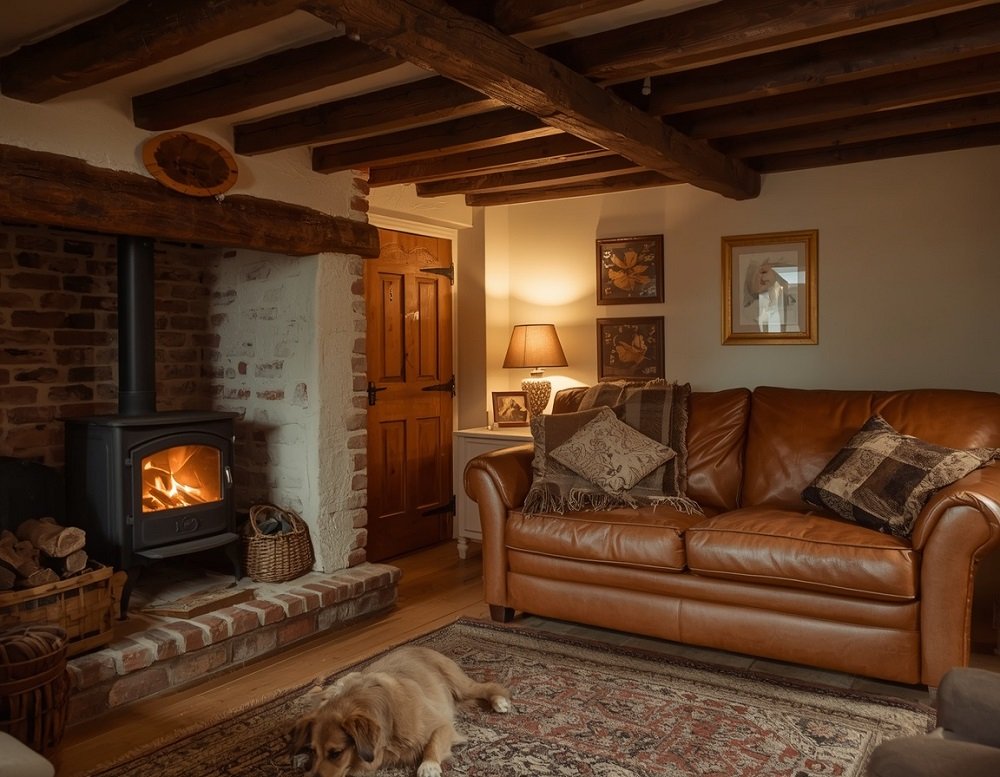
Start with the shape of your break. A week gives you one base properly, with time for the forest, the coast and Winchester. A long weekend means one village and short drives. Then check the changeover day: many cottages change over on a Friday or a Saturday, and in summer many ask for a week at least.
Then check the practical details. Parking matters, because village streets are narrow and some cottages have no space of their own, and most Forestry England car parks charge, from about one pound fifty for an hour to eight pounds for over four hours. A shop and a pub within walking distance matter too, or you will drive every evening. Ask whether the garden is enclosed, because ponies wander into gardens in the forest villages. Ask whether heating is included, and read the cancellation terms, including what happens to the deposit. Pick one village, pick a cottage with a pub and a shop in walking distance, and book early for the school holidays.
Frequently Asked Questions
Which Hampshire village is best for a first visit?
Lyndhurst is the best first base for a central village with shops, pubs and open heath at its edge. Brockenhurst is the best first base if you want to arrive by train and spend the week walking and cycling. Lymington is the best first base if you want a harbour town with a market and ferries to the Isle of Wight.
Do I need a car for a Hampshire cottage holiday?
For most forest villages, yes. The villages are joined by quiet lanes, and buses between them are thin, though Brockenhurst, Lymington and Lyndhurst have bus links, and Brockenhurst and Lymington have stations. A car also matters because the best walks and beaches, like Hurst Castle, sit apart from their villages. Brockenhurst and Lymington work without a car for a short break, but a car gives you the whole county.
Is Hampshire good for a cottage holiday with a dog?
Yes, Hampshire is one of the best counties in England for a cottage holiday with a dog, with year-round beaches at Milford on Sea, Barton on Sea and Hordle Cliff. The rules are stricter than elsewhere, though: keep dogs on a lead on the heath from March to July for ground-nesting birds, keep them away from ponies and cattle, and keep them on a lead where pigs are foraging during pannage. Ask how many dogs are allowed, what the fee is, and whether the garden is enclosed.
When should I book a New Forest cottage for August?
Months ahead, because the best cottages in Lyndhurst, Brockenhurst and Lymington go first. May, June and September are easier to book, and bases around Fordingbridge, Ringwood and the South Downs stay available longer. Book early for the school holidays, and check the changeover day and minimum stay first.
Can I reach the Isle of Wight from a Hampshire cottage?
Yes. Ferries run from Lymington to Yarmouth, on the west of the island. Ferries also run from Portsmouth and Southampton, so a cottage in Lymington, Milford on Sea or the eastern forest puts a day trip to the island within easy reach. Check the ferry timetable and book ahead in the school holidays, because the car ferries fill up.
Hampshire rewards a slow week. Pick one village, settle into a cottage with a garden and a pub in walking distance, and let the forest, the coast and the downs do the rest. Book early for the summer, and leave room in the week for a walk you had not planned.