Suffolk Cottage Holidays: Best Villages to Stay In as a Base
Suffolk is the quiet corner of East Anglia, and that is exactly why it suits a cottage holiday. The coast is shingle beaches, reed beds and estuaries rather than cliffs and surf. Inland, the county turns to rolling farmland, pink-washed cottages and timber-framed wool towns. There is no motorway cutting through it, and the villages have kept their character because of that.
This guide compares the best villages to stay in as a cottage base, from Southwold and Aldeburgh on the coast to Lavenham and Woodbridge inland. If you are new to self-catering, start with our self-catering accommodation guide. Treat every price here as indicative, and verify it with the provider before you book.
What Makes a Good Suffolk Cottage Base
A good Suffolk base has three things: a shop and a pub within walking distance, a beach or a walk you can reach without driving, and a cottage with a garden you will actually use. Suffolk is a county of small places, and the difference between a good base and a dull one is often a single pub, a village shop or a footpath from the door.
The county splits into three territories. The coast runs from Lowestoft in the north to Felixstowe in the south, with Southwold, Walberswick, Aldeburgh and Thorpeness along it. The wool towns cluster in the south-west, around Lavenham, Long Melford and Clare. The heartland sits between them, in the Deben and Alde valleys around Woodbridge, Framlingham and Orford.
The Suffolk Coast: Southwold, Aldeburgh and Walberswick
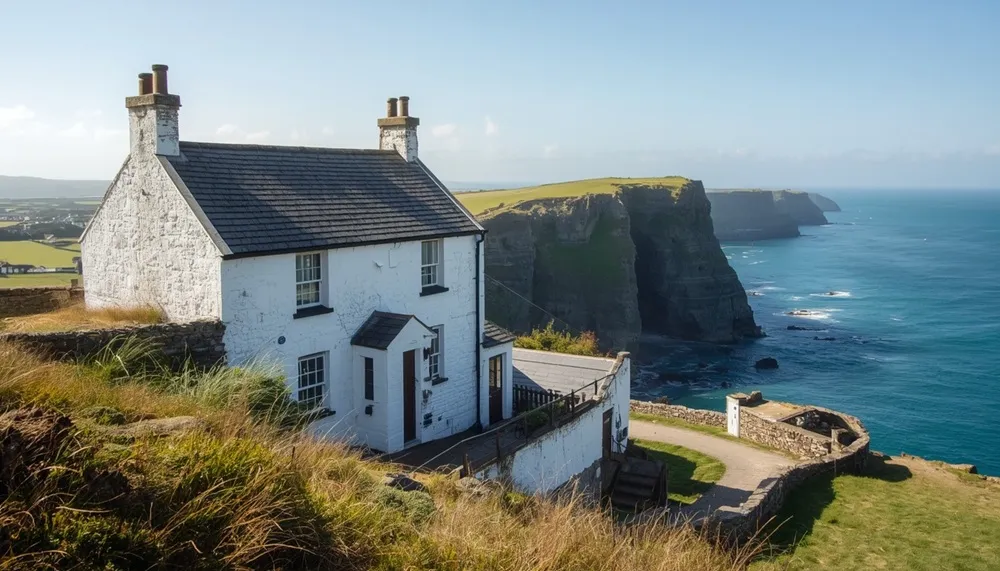
Southwold is the classic Suffolk seaside town, and it makes the best first base on the coast. The town has a sandy beach, a pier, rows of colourful beach huts and a white lighthouse that stands among the streets rather than out on a headland. Adnams has brewed beer here since the nineteenth century, and the town is laid out around open greens left by an old fire.
Aldeburgh is the quieter, more grown-up choice. It sits on a long shingle beach where fishermen still sell the morning catch from huts on the shore. The town has a high street of independent shops, a famous fish and chip shop on the beach, and the steel Scallop sculpture by Maggi Hambling, a tribute to the composer Benjamin Britten, who lived here. The Aldeburgh Festival runs at nearby Snape Maltings in June, and the town fills up for it, so book early if you want a festival week.
Walberswick sits just across the River Blyth from Southwold, reached by a small rowing ferry in summer or by road the long way round. It is quieter than Southwold, with children crabbing off the bridge, a broad beach backed by dunes, and the dog-friendly Anchor pub on the green. Pick Walberswick if you want the coast without the crowds, and Southwold if you want everything on foot.
Dunwich, Thorpeness and the Quieter Stretches
Dunwich is the strangest base on the Suffolk coast, and the most rewarding for walkers. It was once a great medieval port, and much of it slipped into the sea during a run of storms in the thirteenth and fourteenth centuries. The ruins of the abbey still stand in a hollow among the trees, and the beach is wide and open. Walk south along the beach and you reach RSPB Minsmere, one of the best birdwatching reserves in the country. Check access before you go, because a wildfire on Dunwich Heath in the summer of 2026 closed parts of the heath and beach, and the National Trust reopens areas only when they are safe.
Thorpeness sits between Aldeburgh and Sizewell, and it is a small, planned seaside village with a boating lake, the House in the Clouds, a water tower disguised as a house, and a beach that welcomes dogs almost everywhere. The walk from Thorpeness to Aldeburgh takes about forty minutes along the shingle, passing the Scallop on the way. Between these two, the villages of Middleton and Westleton give you quieter bases with more space for the money, and the coast path runs past all of them.
Lavenham and the Wool Towns
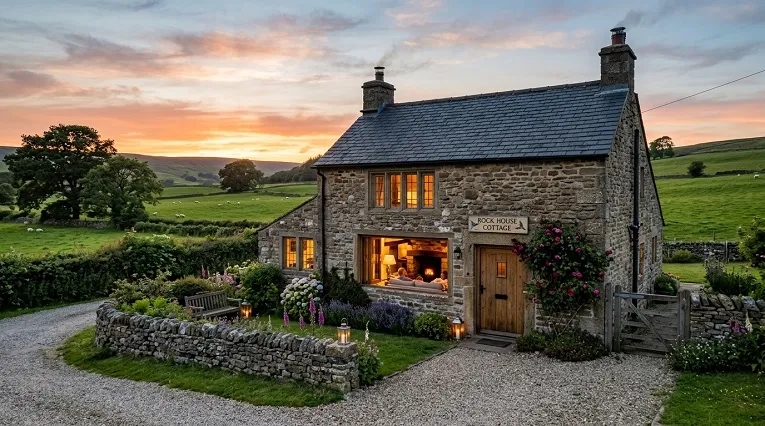
Lavenham is the showpiece of inland Suffolk, and one of the best-preserved medieval villages in England. The village grew rich on the wool trade, and it still shows: somewhere in the region of 300 listed buildings, a Guildhall that leans noticeably, and a market square that has been in use since the thirteenth century. The crooked timber-framed houses are the reason people come, and the village has pubs, tea rooms and a church far bigger than a village of its size should have.
The wool towns around it make good bases too. Long Melford stretches along a single high street for well over a mile, with a grand house at either end and a handful of pubs in between, and it is less visited than Lavenham, which makes it easier to live in for a week. Clare, the smallest town in Suffolk, has cafes, a castle mound and a quiet feel. Cavendish, in the Stour Valley, has pastel-coloured houses, a village green and a pub.
Woodbridge, Framlingham and the Deben Valley
Woodbridge is the best base in the Deben Valley, and it suits anyone who wants a riverside town rather than a seaside town. The town sits on the River Deben, with a working tide mill, a quay, independent shops and a market. It is also the nearest town to Sutton Hoo, where the Anglo-Saxon ship burial was found in June 1939. The National Trust runs the site, and the treasures from the burial, most likely that of King Raedwald, are now in the British Museum.
Framlingham, a short drive inland, is the market town for a castle stay. Framlingham Castle is a late twelfth-century fortress built by the Bigod family, with a curtain wall of thirteen mural towers and no central keep. It was here that Mary Tudor gathered her supporters in July 1553 and heard she had been proclaimed England’s first ruling queen. English Heritage has managed the castle since 1984, and the wall walk, ten and a half metres high, gives views across the mere and the town.
Bury St Edmunds and West Suffolk
Bury St Edmunds is the handsome market town of west Suffolk, and it makes a good base for a break that mixes town life with the countryside. The town has the abbey ruins and gardens at its centre, a market, independent shops and plenty of places to eat. It is also the most practical base in the county if you want a station, a supermarket and a choice of restaurants without giving up the cottage feel.
Cottages around Bury St Edmunds tend to be larger and better value than on the coast, and the town suits a winter break, when the coastal villages go quiet and the towns stay open. Pick west Suffolk for a slower break, a family base with room to spread out, or a stay that does not depend on the beach.
Beccles and the Waveney Valley
Beccles is the market town of the Waveney Valley, on the border with Norfolk, and it makes a good base for a two-county break. The town has a quay on the River Waveney, independent shops and cafes, and a quiet feel that suits a slow week. From here you can walk or cycle along the river, hire a boat, or drive into the Broads, which begin just to the north.
The villages around Beccles, like Bungay and the small settlements along the Waveney, give you country cottages with gardens and space, at prices well below the coast. If you are combining Suffolk with Norfolk, Beccles is the natural place to stay, with both counties an easy drive away.
Suffolk With a Dog: Beaches, Walks and Pubs
Suffolk is a strong county for a cottage holiday with a dog, but the beach rules change from beach to beach, and they change with the season. Beaches where dogs are welcome off the lead all year include Walberswick, Kessingland, Covehithe, Dunwich and the North Denes at Lowestoft. Thorpeness allows dogs off leads all year apart from a small exclusion zone opposite the car park.
The summer bans run from 1 May to 30 September at Aldeburgh, Thorpeness, Lowestoft and Corton, and at Felixstowe, while Southwold starts earlier, from 1 April to 30 September on the main beach. Aldeburgh keeps dogs on a lead through the summer, and the bans are backed by fines of up to one thousand pounds. Keep dogs on a short lead on the heaths from 1 March to 31 August, when ground-nesting birds like nightjars and woodlarks are breeding, and on a lead at RSPB Minsmere, where dogs are welcome in the visitor hub and car park but not on the nature trails. When you book, ask how many dogs the cottage allows, what the fee is, and whether the garden is enclosed. See our guide to dog-friendly cottage holidays for the full checklist.
Walking From Your Cottage Door
Suffolk is flat, and that is a gift for walkers. The Suffolk Coast Path runs for about sixty miles from Felixstowe to Lowestoft, passing Bawdsey, Snape, Aldeburgh, Thorpeness, Minsmere, Dunwich, Southwold and Kessingland, and it takes most walkers five to seven days end to end.
Two more long walks cross the county. The Sandlings Walk runs for fifty-nine miles from Southwold to Ipswich by way of Woodbridge, through the heathland that lies just inland from the coast. The Stour and Orwell Walk runs for about forty miles around the two great estuaries, from Landguard Point to Cattawade near the Essex border. All three sit inside the Suffolk Coast and Heaths Area of Outstanding Natural Beauty, designated in 1970 and covering about four hundred square kilometres, now part of the Suffolk and Essex Coast and Heaths National Landscape. When you choose a cottage, ask whether a footpath leaves from the door, because a cottage on a path beats a cottage you have to drive from.
When to Go and What It Costs
May and June are often the best months in Suffolk. The coast is warm enough for the beach, the Aldeburgh Festival brings music to Snape Maltings in June, and prices sit below the school holidays. July and August bring the warmest sea and the highest prices, and the best cottages in Southwold and Aldeburgh book months ahead. September brings warm seas and empty beaches, and autumn and winter bring migrating birds to Minsmere and the estuaries, with low light that suits the flat landscape. See our guide to how much a UK cottage holiday costs for the full picture on pricing by region, size and season.
The coast costs more than the inland villages, and Southwold costs more than anywhere else in the county. As a rough guide, a two-bedroom cottage with a garden and a view over farmland might run six hundred to eight hundred pounds for a week in late spring, against one thousand pounds or more for the equivalent in Southwold in August, so treat both figures as indicative and check the listing. Check what is included before you compare cottages: linen, heating, a pet fee and a deposit all change the real total.
How to Choose Your Suffolk Cottage
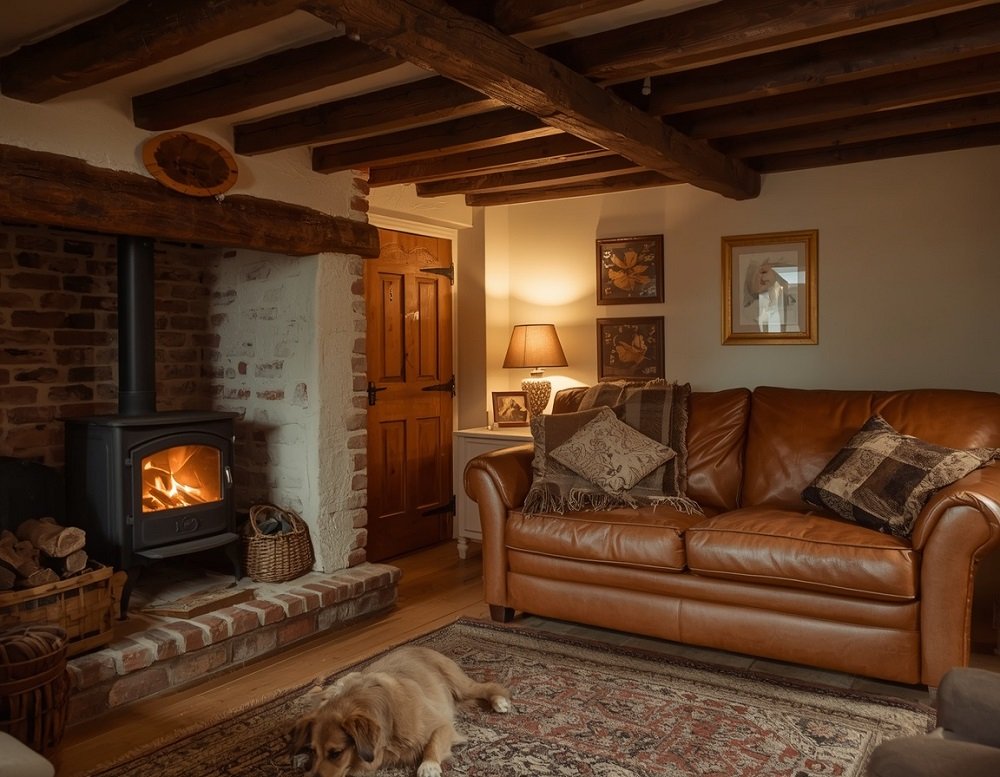
Start with the shape of your break. A week gives you one base properly. A long weekend means one village and short drives. Then check the changeover day: many cottages change over on a Friday or a Saturday, and in summer many ask for a week at least.
Then check the practical details. Parking matters, because village streets are narrow and some cottages have no space of their own. A shop and a pub within walking distance matter too, or you will drive every evening. Ask whether the beach allows dogs in summer, and whether the garden is enclosed. Ask about heating and whether it is included, and read the cancellation terms, including what happens to the deposit. Pick one village, pick a cottage with a pub and a shop in walking distance, and book early for the school holidays.
Frequently Asked Questions
Which Suffolk village is best for a first visit?
Southwold is the best first base if you want a classic seaside week with a sandy beach, a pier and everything on foot. Aldeburgh is the best first base if you want a quieter, more grown-up coastal break with good food and walks. Lavenham is the best first base inland, if you want history and village life rather than the beach.
Do I need a car for a Suffolk cottage holiday?
For most village bases, yes. The villages are joined by quiet lanes, and buses between them are thin, though Southwold, Aldeburgh and Woodbridge have bus links, and Ipswich and Bury St Edmunds have stations. A car also matters because the best beaches and walks, like Dunwich and Minsmere, sit apart from their villages. Southwold and Aldeburgh work without a car for a short break, but a car gives you the whole county.
Is Suffolk good for a cottage holiday with a dog?
Yes, Suffolk is one of the best counties in England for a cottage holiday with a dog, with year-round beaches at Walberswick, Kessingland, Covehithe and Dunwich, and the coast path open to dogs all year. Watch the summer bans on the main beaches at Southwold and Aldeburgh, and keep dogs on a lead on the heaths in the nesting season. Ask how many dogs are allowed, what the fee is, and whether the garden is enclosed.
When should I book a Suffolk cottage for August?
Months ahead, because the best cottages in Southwold, Aldeburgh and Walberswick go first. May, June and September are easier to book, and inland bases around Beccles, Woodbridge and Bury St Edmunds stay available longer. Book early for the school holidays, and check the changeover day and the minimum stay before you set your heart on a cottage.
What is the Suffolk Coast Path, and can I walk part of it from a cottage?
The Suffolk Coast Path is a long-distance footpath of about sixty miles from Felixstowe to Lowestoft, running through the Suffolk Coast and Heaths National Landscape. You do not need to walk it end to end. The best day sections run from Southwold to Dunwich, from Aldeburgh to Thorpeness, and from Dunwich to Walberswick, and all three start near villages with cottages, pubs and parking.
Suffolk rewards a slow week. Pick one village, settle into a cottage with a garden and a pub in walking distance, and let the coast and the wool towns do the rest. Book early for the summer, check the dog rules before you pack, and leave room in the week for a walk you had not planned.