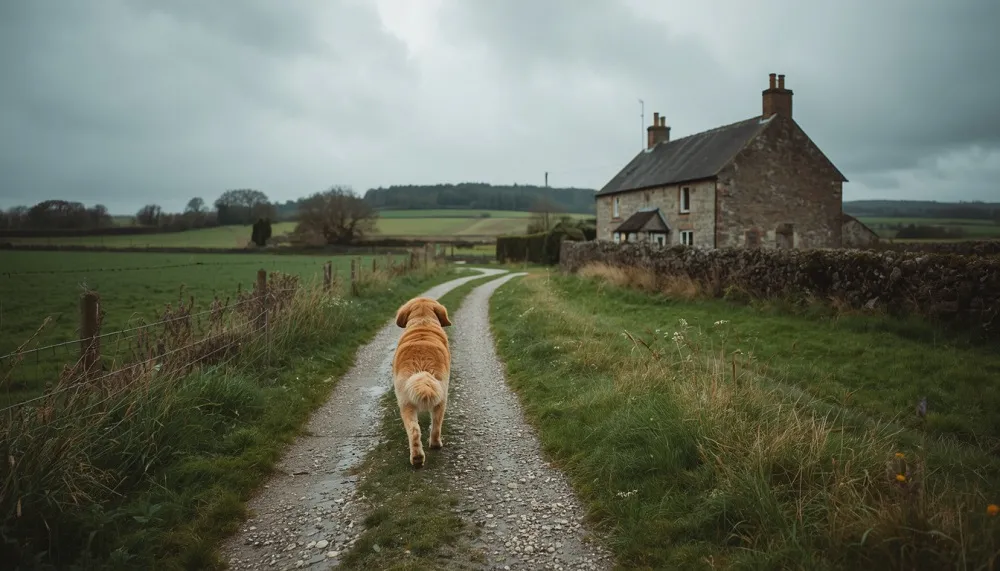

Best Dartmoor Villages to Stay In for a Cottage Holiday
Dartmoor is not one place to stay. It is a granite moor of about 368 square miles, ringed by market towns and dotted with villages that each give you a different kind of week. A cottage in Chagford puts pubs, shops and a swimming lido on your doorstep. A cottage in Widecombe-in-the-Moor puts you in the postcard version of Dartmoor, under the tower of the Cathedral of the Moor. A cottage in Princetown puts you on the high moor itself, with tors and ancient woods a short walk away. The moor is the same from all of them, but the holiday is not, so choosing the village matters as much as choosing the cottage.
This guide compares the best Dartmoor villages as cottage bases, village by village, so you can match the place you stay to the break you actually want. It stays focused on base selection, not on a general tour of Dartmoor, because that is the decision that shapes everything else: how far you drive each day, whether you can walk to a pub, whether the dog has a garden to come home to, and whether a wet day still works. If you are new to self-catering, start with our self-catering accommodation guide, which explains what is normally included in a cottage stay and what to bring. The advice below builds on that guide, and it works alongside our Devon and Dartmoor self-catering guide, which covers the wider area and the cottage itself.
What Makes a Good Dartmoor Village Base?
A good Dartmoor base does four things. First, it puts walking within reach, either from the door or after a short drive to a car park, because most Dartmoor days start on foot. Second, it gives you somewhere to eat, shop and fill up without a long drive, since a cottage week needs bread, milk, a pub supper and a rainy-day cafe. Third, it has parking at the cottage and in the village, because Dartmoor lanes are narrow and village car parks fill up on fine weekends. Fourth, it suits your party: a family needs a shop and a garden, a walking group needs a drying room and a pub, a couple needs quiet and a view.
The villages below pass those tests in different ways, and none of them is best for everyone. A market town such as Chagford or Moretonhampstead gives you the most amenities and the easiest week, especially for a first visit. A small village such as Lustleigh or North Bovey gives you the prettiest setting and the quietest evenings, at the price of driving to a shop. A high-moor base such as Princetown gives you the wildest walking, at the price of exposure to moor weather and a longer drive to everything else. The right choice is the one whose trade-offs match your trip, not the one with the prettiest photograph.
One warning applies to every Dartmoor village. The moor is a working landscape of farms, common land and free-roaming livestock, including the Dartmoor ponies, and the weather can change in an hour. A village that feels sheltered in sunshine can feel exposed in a wet westerly, and a cottage up a single-track lane can be a delight for a confident driver and a worry for anyone else. Check the access road, the parking and the heating before you book, and ask the owner directly where exactly you park and how far it is from the door with luggage.
The Villages at a Glance
If you want the short version before the detail, here it is. Chagford is the best all-round base, with the most shops, pubs and walks in one small town. Widecombe-in-the-Moor is the classic Dartmoor village, best for a first taste of the moor and for couples who want charm over convenience. Moretonhampstead is the central market town, best for walkers who want the moor on every side. Lustleigh and North Bovey are the prettiest villages, best for quiet breaks and cream teas. Ashburton and Bovey Tracey are the eastern gateways, best for families and for a first stay with easy road access. Princetown and Postbridge are the high-moor bases, best for serious walkers and for visitors who want the wild moor from the door. Okehampton and Tavistock are the outer gateways, best for visitors who want a town base with a railway station and easy access to the north and west moor.
The rest of this guide tests that short version properly, because the details are what turn a good village into a good week. Read the village that sounds like your trip, then read the sections on cars, dogs, families and costs before you shortlist a cottage.
Chagford: The Best All-Round Dartmoor Base
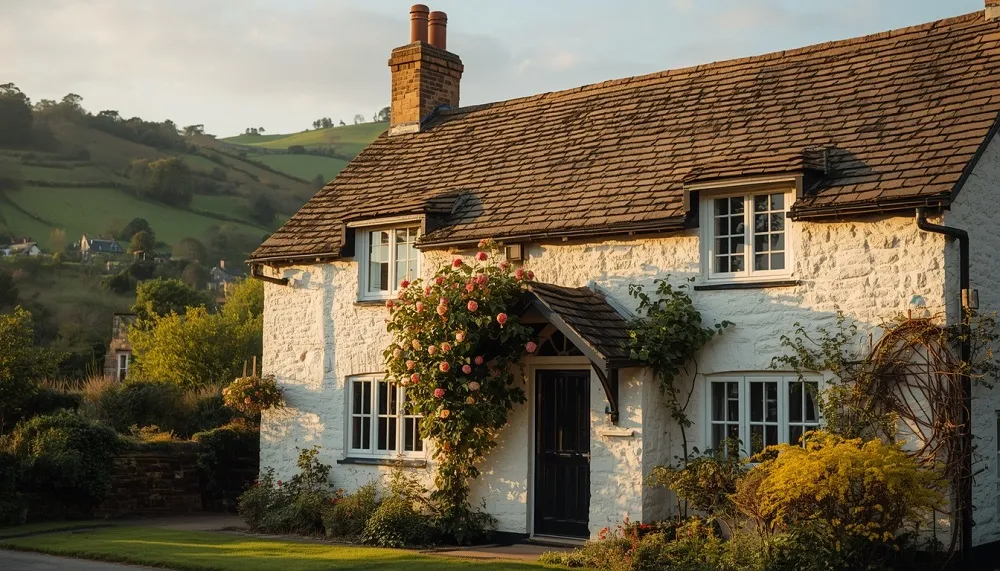
Chagford is often rated the best base for exploring Dartmoor, and it is easy to see why. It is an ancient market town inside the national park, with a compact centre of shops, galleries, pubs and tearooms, a post office, and an open-air swimming pool, the lido, which is a genuine draw on a hot summer day. It has the feel of a small town rather than a village, which means you can walk to dinner, buy proper food for a self-catering week, and still be on the high moor within a short drive.
Walking from Chagford is excellent in every direction. The Teign Valley and the wooded lanes around the town suit gentle days, while the open moor to the south and west suits longer walks to tors and ancient sites. Castle Drogo, the National Trust castle and the last castle to be built in England, stands above the Teign Gorge a short drive away, and the gorge itself, with Fingle Bridge at its foot, is one of the finest river walks on Dartmoor. Chagford suits first-timers, families and walkers equally, because it never forces you to choose between a good walk and a good supper.
Cottages in and around Chagford range from medieval hall houses in the town centre to stone cottages and converted barns in the lanes outside. A town-centre cottage gives you pubs and shops on foot, which matters on a wet evening, while a cottage outside the town gives you views and quiet at the price of a drive to everything. Check parking carefully in the centre, since town parking is limited, and check whether the cottage has a garden, since a town cottage garden is smaller than a village one. For a first Dartmoor cottage holiday, Chagford is the safest single choice on this list.
Widecombe-in-the-Moor: Classic Dartmoor Charm
Widecombe-in-the-Moor is the village most visitors picture when they think of Dartmoor. It sits in a sheltered valley on the eastern moor, with thatched cottages, a village green, a handful of cafes and pubs, and the church of St Pancras, known as the Cathedral of the Moor, whose tower rises 120 feet above the village. The village is famous for its annual fair each September and for the folk song about Uncle Tom Cobley, and on a fine day it is one of the prettiest places in Devon.
As a cottage base, Widecombe suits couples and slow travellers best. The walking is superb, with tors on every side and the ridge up to Hameldown offering one of the classic Dartmoor walks, but most routes climb out of the village, so they suit walkers who are happy with hills. The village itself is small, with a few places to eat and a small shop, so a self-catering week here needs a little planning, and a car for a proper food shop. In return you get quiet evenings, a real village feel, and a cottage that feels like it belongs on the moor rather than near it.
Widecombe is also a good base for visitors who want to see the famous Dartmoor sights without driving far. The medieval clapper bridge at Postbridge and the ancient woods and tors of the central moor are a short drive away, and the village is a natural stop on a scenic drive across the moor. If you stay here, choose a cottage with a garden and a drying space, and check the access road, since some cottages sit up narrow lanes above the village. For a romantic break, a small stone cottage near Widecombe, with a log burner and a view across the valley, is hard to beat, and our guide to romantic cottage breaks for two with a hot tub and log burner covers the features worth checking before you book.
Moretonhampstead: The Market Town in the Middle of the Moor
Moretonhampstead is a historic market town on the north-eastern slopes of Dartmoor, surrounded by wooded valleys and open moor. It is often described as one of the best towns in Devon for a Dartmoor stay, and its position is the reason: it sits in the middle of the moor rather than on its edge, so the walking spreads out in every direction. Haytor, one of the most famous granite tors on Dartmoor, and Hound Tor, with its ruined medieval village below, are both within easy reach, and the town has a good choice of pubs, cafes, shops and a historic inn, the White Hart, in its centre.
As a base, Moretonhampstead suits walkers and families who want a proper town to come home to. The town has enough shops for a self-catering week, enough pubs for a wet evening, and enough choice of cottages, from town houses to cottages in the lanes outside, to suit most parties. It is also a good base for a longer stay, since the variety of walks in the area means you can walk somewhere different every day for a week without repeating a route or driving far.
The trade-off is that Moretonhampstead is a working town, not a picture village, so it has less of the chocolate-box charm of Lustleigh or North Bovey. What it loses in prettiness it gains in practicality, and for a walking holiday that is usually the better deal. Check parking at the cottage, since town-centre parking is limited, and check the garden if you are bringing a dog, since town gardens are smaller and less secure than village ones.
Lustleigh and North Bovey: The Prettiest Villages
Lustleigh is one of Dartmoor’s prettiest villages, a thatched village in a wooded valley with a village store, tearooms and a pub, and an air of time standing still. It suits visitors who want a quiet, beautiful base and are happy to drive to a shop or a walk. The village is a good starting point for gentle valley walks and for the climb to the tors above, and it is close to Bovey Tracey and Moretonhampstead for anything the village itself does not have.
North Bovey is smaller and quieter still, a chocolate-box village of thatched cottages around a green, in the heart of the moor. It is a good base for walkers who want to start from the door, with the ancient Bronze Age settlement of Grimspound, a stone-walled village of 24 hut circles dating from around 1300 BC, a short walk away, and with Bovey Castle and its grounds nearby. The village has no shop of its own, so a self-catering week here needs a proper food shop before arrival, and a car for the whole stay.
Both villages suit couples, quiet breaks and visitors who have been to Dartmoor before and want the village itself to be the holiday, rather than just a place to sleep. They suit families less well, unless the cottage has a good garden and the family is happy to drive for shops and activities. If you choose one of these villages, pick a cottage with a garden, a log burner and a proper kitchen, since you will spend more evenings in the cottage than you would in a market town, and check the mobile signal, since valleys here can be patchy.
Ashburton and Bovey Tracey: Gateway Towns on the Eastern Edge
Ashburton is often described as the gateway to the moor, an elegant town of slate-hung streets lined with antique shops, delis, cafes and good places to eat. It sits on the eastern edge of Dartmoor, just off the A38, which makes it the easiest Dartmoor base to reach by road and the easiest to leave for a day trip to the south Devon coast. It is a strong choice for families, with the River Dart Country Park, 90 acres of parkland with a bike trail and play areas, nearby, and with plenty of cottages in and around the town.
Bovey Tracey, a short drive north of Ashburton, is a charming market town with a similar gateway role, and it is the closest town to Haytor, the granite tor that is many visitors’ first sight of the high moor. The town has shops, pubs and cafes, and it works well as a base for families and for first-timers who want the moor within easy reach but a town to come home to. Both towns have the advantage of easy road access, which matters if you are arriving late, travelling with children, or planning a short break where every hour counts.
The trade-off for both towns is that they sit on the edge of the moor rather than in it, so the wildest walking needs a drive onto the high moor. For most visitors that is a fair exchange for easy arrival, good shops and a wide choice of cottages, and both towns are good first bases. If you stay here, use the easy access to plan a mix of moor days and coast days, and check whether the cottage has parking, since town-centre cottages can have limited space.
Princetown and Postbridge: Staying on the High Moor
Princetown is the highest town on Dartmoor, sitting in the middle of the moor, and it is the base for visitors who want the wild moor from the door. It is home to the Dartmoor Prison Museum and to the history of the prison that built the town, and it is close to Wistman’s Wood, the ancient stunted oak wood, and to some of the finest tor walks on the moor. A cottage here puts you on the high moor at dawn, before the day visitors arrive, and that is a real privilege on a fine morning.
The price is exposure. Princetown is the coldest and windiest base on this list, with the least shelter, and the town itself is small, with a few pubs, a shop and a cafe, and a longer drive to a proper supermarket. It suits serious walkers, photographers and visitors who have been to Dartmoor before and want the moor itself rather than a village. It suits families and first-timers less well, unless the cottage is warm, well heated and well equipped, since a wet day on the high moor needs a good cottage to come home to.
Postbridge is a tiny hamlet on the East Dart, famous for its 13th-century clapper bridge, a medieval stone bridge that is one of the most photographed sights on Dartmoor, and for its position at the edge of Bellever Forest. It is a good base for walkers who want forest walks and central moor walks from the door, and for visitors who want the quietest possible stay. It has almost no amenities of its own, so a cottage here needs a car, a food shop before arrival, and a willingness to drive for every meal out. Choose Postbridge if the walking is the holiday, and choose a market town if the village is part of the holiday too.
Okehampton and Tavistock: The Outer Gateways
Okehampton is the gateway to North Dartmoor, a traditional market town on the northern edge of the moor, known as the walking centre of Devon. It has a railway station, which makes it the easiest Dartmoor base to reach without a car, and it has castle ruins, a good choice of shops and pubs, and direct access to the northern moor. It suits walkers who want the wilder north moor, families who want a town base with a station, and visitors arriving by train.
Tavistock sits on the western edge of the moor, a historic market town with a famous Pannier Market and, as the only town in Devon to hold World Heritage status, a reminder of the area’s mining history. It is a good base for the western moor, for the Tamar Valley, and for day trips across the border into Cornwall, and it has the shops, pubs and cafes of a proper town. Both towns suit visitors who want a town rather than a village, and both are good choices for a longer stay or for a first visit where easy arrival matters more than being in the middle of the moor.
The trade-off for both is distance. From Okehampton or Tavistock, the central and eastern moor, and villages such as Widecombe and Chagford, are a drive away, so a week here means more driving than a week in a central village. If your walking is mostly in the north or west moor, that does not matter. If it is spread across the whole moor, a central base such as Chagford or Moretonhampstead will save you time every day.
Best Bases by Break Type
For a first Dartmoor cottage holiday, Chagford or Ashburton are the safest picks. Chagford gives you a market town inside the park, with shops, pubs and walks in every direction. Ashburton gives you the easiest arrival, a good town to come home to, and the River Dart Country Park for families. Both let you learn how a Dartmoor week works before you try a high-moor or a tiny-village base.
For serious walkers, Moretonhampstead or Princetown are the strongest bases. Moretonhampstead puts tors and valley walks on every side, with a town to return to. Princetown puts the high moor at your door, with Wistman’s Wood and the central tors a short walk away. For gentle walkers and couples, Widecombe-in-the-Moor or Lustleigh give you beautiful valley walking, cream teas and quiet evenings, and the climbs are short enough to enjoy rather than endure.
For families, Ashburton and Bovey Tracey are the easiest bases, with shops, a country park, and cottages that suit children, while Chagford works well too, with its lido and its town-centre amenities. In every village, check the cottage for a garden, a bath, a washing machine and room for everyone to eat together, since those practical details matter more on a family week than a view.
For a cottage holiday with a dog, the village matters less than the cottage, but the walking matters a lot. Dartmoor is superb dog country, with open moor, forest and valley walks, but dogs must be under control around livestock, including ponies, sheep and cattle, all year round, and that rule is enforced. Our dog-friendly Dartmoor guide covers the moor walking rules, the livestock question and the best areas to base in detail, and our dog-friendly cottage checklist covers the garden, fees and rules to confirm before you book. In short: confirm the garden is securely enclosed, ask about the dog fee and how many dogs are allowed, and choose a village with walks from the door so the dog is not in the car all day.
For a short break of two to four nights, a gateway town such as Ashburton or Bovey Tracey is the easiest choice, since you lose the least time arriving and leaving, and Chagford is the best central choice for a short walking break. Our when to book guide covers minimum stays, midweek value and the cheapest months in more detail, and the same rules apply in Dartmoor: check the minimum stay, the arrival day and the changeover day before you fall in love with a cottage.
The Car Question: Do You Need One in Dartmoor?
For most Dartmoor cottage holidays, a car is close to essential. The moor is large, the villages are spread out, and bus services between them are thin, especially on Sundays and outside the summer season. Without a car, the workable bases are the towns with a railway station or a bus route, such as Okehampton, which has a rail link, and Tavistock and Ashburton, which have bus links. From those towns you can walk locally and take a bus to the moor, but your range will be limited, and you will need to plan around timetables.
With a car, the whole moor opens up, but the driving needs honest planning. Dartmoor lanes are narrow, often single-track with passing places, and they wind through villages where parking is limited. Allow extra time for every journey, especially on summer weekends, and check the parking at the cottage and at the walks you plan before you book. A cottage with a dedicated parking space, or a clear statement of where you park, is worth a lot in a village where the car park fills by mid-morning.
The honest rule is this: without a car, stay in a town on a bus or rail route and choose walks and pubs you can reach from that base. With a car, you can choose a quieter village, but you must check the access road, the parking and the width of the lanes. A rural cottage up a single-track lane, with no dedicated parking, can be a wonderful stay for a confident driver and a stressful stay for anyone else. Ask the owner or agency directly: where exactly do we park, is it included in the price, and how far is it from the door with luggage?
What to Check Before You Book a Dartmoor Cottage
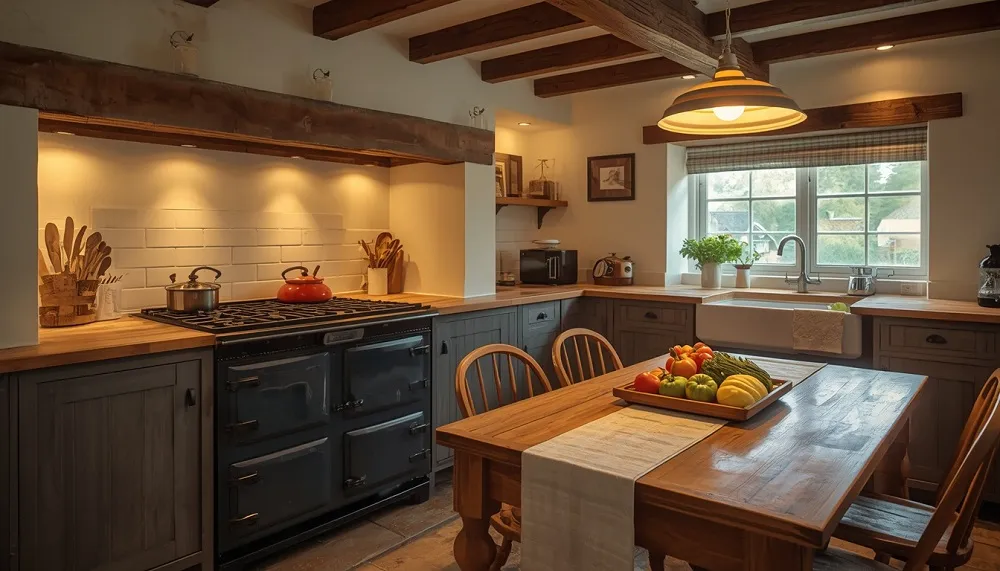
Heating is first, because Dartmoor is high and exposed, and even summer evenings can be cool, especially in Princetown and on the high moor. Ask whether heating is included in the price or charged extra, whether logs are supplied for a log burner, and whether the cottage has a drying space for boots and waterproofs, because moor weather changes fast and wet gear is part of the deal. A cottage with a bath after a walking day, a proper kitchen for real cooking, and a living room big enough for everyone on a wet evening is worth more than a slightly prettier cottage without those things.
The garden matters more in Dartmoor than in a town break, especially for families and dog owners. Check whether it is enclosed, whether it is private to the cottage, and whether the fence or wall is secure enough for your dog or your children. A garden described as enclosed can still have gaps, low walls or shared access, so ask for specifics. Also check the kitchen equipment, since you will cook properly most evenings, and confirm that linen and towels are included rather than assuming it. Our cottages with a hot tub guide explains how to check a feature like a hot tub properly, rather than booking on the photo alone, and the same principle applies to a log burner, an enclosed garden and a moor view: ask for the detail behind the photo, and get the answer in writing before you pay a deposit.
Finally, check the total price, not just the headline rate. Prices are indicative only and vary by cottage size, village, season and features, so always verify the total with the provider before booking, including cleaning fees, pet fees, linen charges and any heating supplement. Our UK cottage holiday cost guide explains how prices vary by region, size and season in more detail. As a rule, cottages in the most popular villages, such as Chagford and Widecombe, cost more than cottages in quieter villages, larger cottages and hot tub cottages cost more than small ones, and peak weeks book first, especially for the best village cottages in July and August.
When to Go and What It Costs

Dartmoor is a year-round cottage destination, but the experience changes sharply by season. Summer and school holidays bring the warmest weather, the fullest village timetables, and the busiest car parks and honeypot walks, especially around Haytor and Widecombe. Spring and autumn bring quieter paths, lower prices and beautiful light, with a higher chance of rain and mist on the high moor. Winter brings short days, quiet villages, log-burner evenings and a moor that feels properly wild, but some village cafes and attractions run reduced hours, and high-moor walks need proper care in bad weather.
For a first Dartmoor visit, late spring or early autumn is often the best balance: good daylight, quieter roads, a wider choice of cottages and a better chance of a fine walking day than in deep winter. If you can only travel in school holidays, book early, choose a town or a large village base with parking, and plan popular walks for early mornings. If you want the lowest prices and the quietest villages, a midweek stay outside school holidays is usually the best value, but check what is open in the village before you book, since small village shops and cafes may close in winter.
How to Choose Your Dartmoor Village in Five Steps
Step one: pick your trip type. Serious walking points to Moretonhampstead or Princetown. A first visit points to Chagford or Ashburton. A quiet, pretty break points to Widecombe, Lustleigh or North Bovey. A family week points to Ashburton, Bovey Tracey or Chagford. Step two: decide on a car. Without one, stay in a town on a bus or rail route, such as Okehampton or Tavistock. With one, the whole moor opens up, but check parking at the cottage and at the walks you plan.
Step three: shortlist cottages in one village, not five. Comparing cottages across the whole of Dartmoor makes every choice harder. Pick your village, then compare cottages inside it on size, bathrooms, parking, heating, garden and total price. Step four: verify the small print, including dog fees, linen, heating, cancellation terms and the arrival and departure times. Step five: book the cottage, then plan walks, tors and village days around it, rather than the other way round.
If you are torn between two villages, the tie-breaker is simple: choose the one with the better base for your party on a wet day. A village you enjoy in rain, with a pub, a shop, a cafe or a good cottage to fall back on, will give you a better week than a village you only enjoy in sunshine. You can visit the other village for a day, and you will know within a day whether it should be your base next time. For a wider view of the area, our luxury cottage stay guide shows what a high-end Dartmoor area cottage can offer, and it is a useful check on the features worth paying for once you have chosen your village.
Frequently Asked Questions
What is the best village to stay in on Dartmoor for a first visit?
For most first-timers, Chagford is the best single choice. It is a market town inside the national park, with shops, pubs, a lido and walks in every direction, and it works for walkers, families and couples. Ashburton is the easiest alternative, with the simplest road access and a good town to come home to.
Do I need a car to stay in a Dartmoor village?
For most villages, yes, a car is close to essential, because bus services between villages are thin. Without a car, choose a town with a rail or bus link, such as Okehampton, Tavistock or Ashburton, and plan walks and pubs you can reach from that base. With a car, check parking at the cottage and at the walks you plan.
Which Dartmoor village is best for walkers?
Moretonhampstead is the strongest all-round walking base, with tors and valley walks on every side and a town to return to. Princetown is the best base for high-moor walking, with the central tors and Wistman’s Wood close by. Widecombe-in-the-Moor suits walkers who want beautiful ridge walks and are happy with climbs out of the village.
Which Dartmoor village is best for families?
Ashburton and Bovey Tracey are the easiest family bases, with shops, cafes and the River Dart Country Park nearby. Chagford also works well for families, with its lido, its town-centre shops and its choice of pubs. In every village, check the cottage for a garden, a bath, a washing machine and room for everyone to eat together.
Is Widecombe-in-the-Moor a good base for a cottage holiday?
Yes, for couples and slow travellers who want the classic Dartmoor village experience. It has thatched cottages, the Cathedral of the Moor, a village green and superb ridge walking, but it is a small village, so a self-catering week needs a little planning and a car for a proper food shop.
When is the best time for a Dartmoor cottage holiday?
Late spring and early autumn often give the best balance of daylight, quieter roads and cottage choice. Summer is the busiest and most expensive time, especially around Haytor and Widecombe. Winter suits quiet breaks and log-burner evenings, but check village opening times and moor conditions before you book.
Whichever village you choose, the rule is the same: pick the base for your trip type, check parking, heating, the garden and the total price, and then choose the cottage that fits your party. Dartmoor rewards that approach, because the difference between a market town base, a pretty village base and a high-moor base is the difference between three different holidays, and getting that first choice right is what makes the rest of the week easy.