Dorset Cottage Holidays: Best Villages to Stay In as a Base
Dorset packs a lot into a small county. Ninety-five miles of Jurassic Coast run along its southern edge, from Lyme Regis in the west to Old Harry Rocks near Swanage in the east. Inland, the county turns to chalk downs, honey-stone villages and quiet market towns. A cottage holiday here can be a beach week, a walking week or a slow village week.
This guide compares the best villages to stay in as a cottage base, from Lyme Regis and Swanage to Corfe Castle and Sherborne. If you are new to self-catering, start with our self-catering accommodation guide. Treat every price here as indicative, and verify it with the provider before you book.
Why Dorset Suits a Cottage Holiday So Well
Dorset works as a cottage county because the coast and the countryside sit close together. You can stay in a thatched stone cottage in a village like Corfe Castle and be on a beach within twenty minutes, or stay in Lyme Regis and walk straight onto the coastal path. The distances are short, the lanes are narrow and slow, and one good base can serve a whole week without long drives.
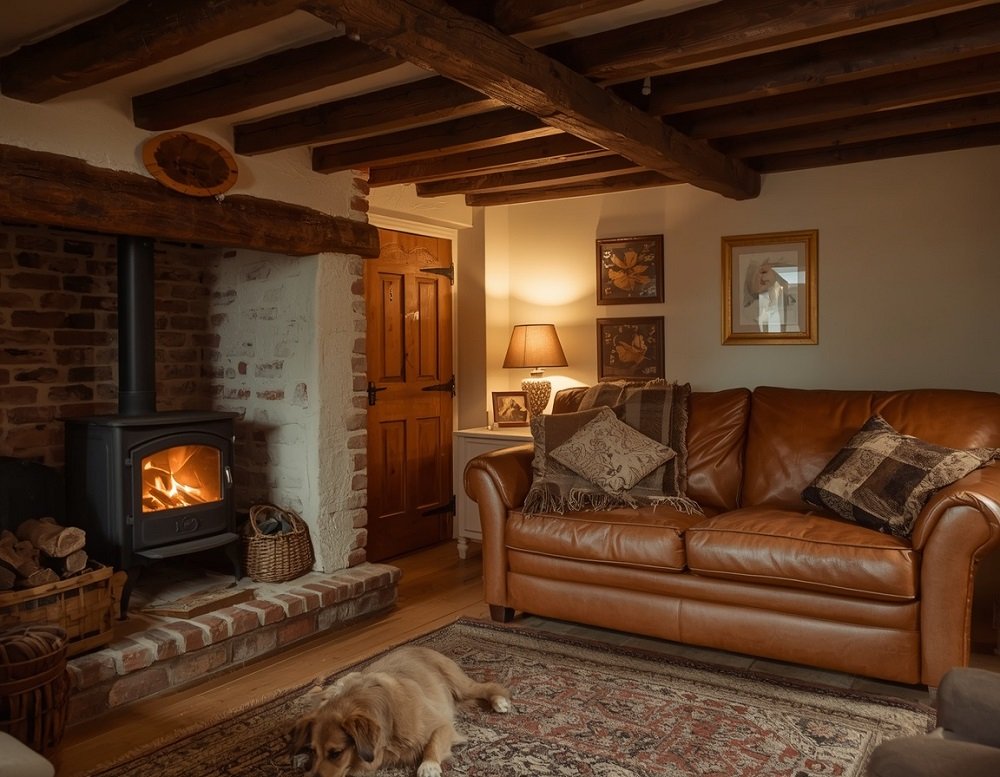
The cottages themselves suit the county. Expect stone and thatch in the west, brick and flint in the east, and converted barns inland. Gardens, wood burners and enclosed gardens for dogs are common, and many cottages sit a short walk from a pub. Dorset has few big resorts, apart from Weymouth and Bournemouth, so a village cottage still feels like the real place.
The Jurassic Coast in a Nutshell: What You Are Actually Staying Near
The Jurassic Coast is England’s only natural World Heritage Site. It runs for ninety-five miles, from Orcombe Point near Exmouth in Devon to Old Harry Rocks near Swanage, and it was inscribed on the UNESCO World Heritage List in December 2001. The cliffs along it reveal a hundred and eighty-five million years of Earth history, covering the Triassic, Jurassic and Cretaceous periods, and the beaches below them are rich in fossils.
That geology shapes the holiday. The beaches change character every few miles, from sand at Weymouth and Studland to shingle at Chesil Beach and grey mudstone at Charmouth, where new ammonites and belemnites wash out of the cliffs after every storm. Mary Anning, the fossil hunter who worked the Lyme Regis beaches in the early 1800s, made the town famous. The cliffs erode and fall, so keep to marked paths and check tide times before you walk below them.
Lyme Regis: Fossils, the Cobb and a Working Harbour
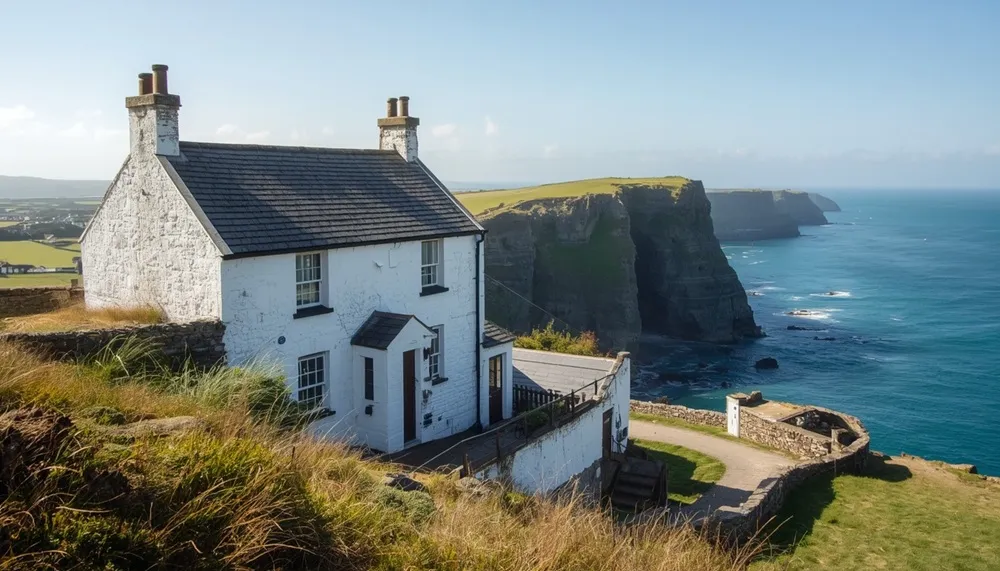
Lyme Regis is the best first base in west Dorset, and it suits walkers, fossil hunters and couples who like a town with character. The town sits in a steep-sided bay, with the Cobb, its historic harbour wall, curving out into Lyme Bay. The shops, cafes and pubs sit within a short walk of the front.
The fossil beach below the town is the main draw. Charmouth, a short drive east, has its own fossil beach and a heritage centre where you can learn what to look for. Bridport, West Bay and Golden Cap are all a short drive away. Check before you book: the town is steep, so a cottage near the top means a climb home, and parking in summer is tight. Dogs are not allowed on the main beach from 1 May to 30 September, though they can walk west of the Cobb on a lead.
Bridport and West Bay: Market Town Calm With the Coast Close By
Bridport is the quieter choice in west Dorset, and it suits anyone who wants a market town rather than a seaside town. The town has a Saturday market, independent shops and cafes, and the coast at West Bay is a short drive or a flat cycle ride away. West Bay itself is a small working harbour with a shingle beach, a pier and a row of fish and chip shops, and it is far calmer than Lyme Regis.
Golden Cap, between Bridport and Charmouth, stands 191 metres high and is the highest point on the south coast. The climb from the Langdon Hill car park is steep but short, with views along the coast both ways. Eype Beach, just west of Bridport, allows dogs all year, and the coast path from West Bay to Charmouth is one of the finest short walks in the county. Pick Bridport for a town base with the coast close by and thinner crowds.
Weymouth: The Family Beach Base
Weymouth is the family base in Dorset, and it is the one place in the county where a cottage puts a proper sandy beach, a harbour and shops all within walking distance. The town has a long Georgian seafront and a working harbour with fishing boats. Portland, joined to the mainland by the long shingle bank of Chesil Beach, sits just to the south.
Weymouth suits a first visit with children. The town has a station and buses along the coast. The trade-off is summer crowds: the seafront fills up in July and August. Dogs are not allowed on the main sandy beach from Good Friday to 1 November, but there is a dog area from Greenhill Groyne towards Overcombe and Bowleaze Cove, and the coast path welcomes dogs all year.
Swanage and Studland: Purbeck Beaches and the Steam Railway
Swanage is the classic Victorian seaside town of the Isle of Purbeck, and it makes a lovely base for a beach and walking break. The town has a sandy bay, a pier, a promenade and a heritage steam railway that runs to Corfe Castle, which makes a good half day with children. It is smaller and quieter than Weymouth, and suits couples and families who want a gentle seaside week.
Studland, a few miles north, is the beach to pair with it. Studland Bay runs for three miles and holds four beaches, backed by dunes and heathland, with Old Harry Rocks at its southern end. Reach it by the Sandbanks Ferry from Poole, or by road through Corfe Castle. Dogs are welcome on leads at Studland from 1 May to 30 September, and the heathland trails behind the beach stay open to dogs all year. Swanage beach does not allow dogs from 1 May to 1 October, so check the rules before you book.
Corfe Castle and Wareham: Village Life Under a Castle
Corfe Castle village is one of the prettiest bases in Dorset, and it suits anyone who wants a village stay with the coast close by. The ruined castle stands on a hill above the village, and it was established by William the Conqueror and partly destroyed in the English Civil War. The National Trust runs the castle now, and dogs are welcome inside on a short lead.
The village has a square and a couple of pubs, and the steam railway from Swanage stops here. Wareham, a few miles west on the River Frome, is the other inland Purbeck choice: a small Saxon walled town with a quay, a market and a quieter feel. Both put you within a short drive of Studland, Swanage and Lulworth. Parking in Corfe Castle village is limited, so ask about a space before you book.
Lulworth, Durdle Door and the Quiet Middle of the Coast
Lulworth Cove and Durdle Door sit in the middle of the Jurassic Coast. Lulworth Cove is a sheltered, near-circular cove with a pebble beach that welcomes dogs all year, and Durdle Door is the limestone arch a short walk along the coast path. Both are busy on summer weekends, and the car parks fill early, so a cottage in West Lulworth lets you walk down before the crowds arrive.
The villages between Weymouth and Lulworth, like Osmington and Ringstead, are small and calm, and Ringstead Beach allows dogs all year. Lulworth Castle, a short walk from the village, has grounds where dogs are welcome on a lead, though they are not allowed inside the castle itself. Pick this stretch for the famous views without a busy town, and expect steep walks down to the coves.
Sherborne and Dorchester: Inland Bases for a Slower Break
Not every Dorset cottage holiday needs to be on the coast. Sherborne is a honey-stone abbey town in the north of the county, with two castles and antique shops, and it makes a calm base for a slower break. Cottages here tend to be larger and better value than on the coast, and the town has a station.
Dorchester, the county town, is the other inland choice. It is the Casterbridge of Thomas Hardy’s novels, and it sits within a half-hour drive of Weymouth, Lulworth and the coast path. Inland bases suit a winter break, when the coastal villages go quiet and the towns stay open, and they suit walkers on the chalk downs. The trade-off is a drive to the beach every day, so weigh that against the lower prices and the quieter evenings.
Dorset With a Dog: Beaches, Paths and the Rules That Catch People Out

Dorset is a strong county for a cottage holiday with a dog, but the beach rules change from place to place. Beaches that allow dogs all year include Durdle Door, Eype Beach, Cogden, Abbotsbury on Chesil Beach, and Ringstead Bay. Others ban dogs in the warm months: Lyme Regis main beach from 1 May to 30 September, West Bay from 1 May to 1 October, Swanage from 1 May to 1 October, and Weymouth main beach from Good Friday to 1 November. Studland asks for dogs on leads from 1 May to 30 September, and Charmouth bans dogs between 10am and 6pm in July and August.
The South West Coast Path welcomes dogs all year, though the path is hilly and the cliff edges need care. Keep dogs on a short lead near sheep, cattle and cliff edges. When you book, ask how many dogs the cottage allows, what the fee is, and whether the garden is enclosed. A cottage with a secure garden near a year-round beach beats a cheaper one beside a beach your dog cannot use in August.
When to Go and What It Costs
July and August bring the warmest sea and the highest prices, and the best cottages book months ahead. May and June are often the best months: the fossil beaches are quiet and prices are lower than the school holidays. September brings warm seas and empty beaches, and October suits walkers. Winter is the quietest season, and many cottages stay open, but check the heating is included, because pub and shop hours shorten out of season. See our guide to how much a UK cottage holiday costs for the full picture on pricing by region, size and season.
The coast costs more than the inland villages, and a seafront cottage in August costs far more than the same cottage in March. Listings sites suggest a small cottage outside peak season often starts at around five hundred pounds a week, while a large seafront house in August can pass two thousand pounds a week, so treat both as indicative and check the listing. Check what is included before you compare cottages: linen, heating, a pet fee and a deposit all change the real total. A cottage in Sherborne or Bridport often gives you more space for the same money as a small cottage on the front at Lyme Regis or Swanage.
How to Choose Your Dorset Cottage: A Quick Checklist
Start with the shape of your break. A week gives you one base properly. A long weekend means one village and short drives. Then check the changeover day: many cottages change over on a Friday or a Saturday, and in summer many ask for a week at least.
Then check the practical details. Parking matters, because village streets are narrow and some cottages have no space of their own. A shop and a pub within walking distance matter too, or you will drive every evening. Ask whether the beach allows dogs in summer, and whether the garden is enclosed. Ask about heating and whether it is included, and read the cancellation terms, including what happens to the deposit. Pick one village, pick a cottage with a pub and a shop in walking distance, and book early for the school holidays.
Frequently Asked Questions
Is Dorset good for a cottage holiday with a dog?
Yes, Dorset is one of the best counties in England for a cottage holiday with a dog, with year-round beaches at Durdle Door, Eype, Cogden and Ringstead, and the South West Coast Path open to dogs all year. Ask how many dogs are allowed, what the fee is, and whether the garden is enclosed. See our guide to dog-friendly cottage holidays for the full checklist.
Which Dorset village is best for a first visit?
Lyme Regis is the best first base if you want fossils, walks and a town with character, and Weymouth is the best first base if you want a sandy family beach with everything on foot. Both sit on the coast path, with shops and pubs in walking distance. Pick Lyme Regis for a quieter, more grown-up break, and Weymouth for a classic family seaside week.
Do I need a car for a Dorset cottage holiday?
For most village bases, yes. The villages are joined by narrow lanes, and buses between them are thin, though Weymouth has a station and Swanage has buses and the steam railway to Corfe Castle. A car also matters because the best beaches, like Lulworth Cove, sit apart from their villages. Weymouth and Dorchester work without a car, but a car gives you the whole county.
When should I book a Dorset cottage for August?
Months ahead, because the best cottages in Lyme Regis, Swanage, Lulworth and Corfe Castle go first. May, June and September are easier to book, and inland bases stay available longer. Book early for the school holidays, and check the changeover day and the minimum stay before you set your heart on a cottage.
Is the Jurassic Coast good for walking from a cottage?
Yes, the South West Coast Path runs the whole length of the Jurassic Coast, and it passes through or near every village in this guide. The path is hilly in places, especially around Golden Cap and Lulworth, so pick a flatter base if you walk with children or older legs. Check tide times before you walk below the cliffs, and keep to marked paths.
Dorset gives you a coastline that no other English county can match. Pick the village that fits your party, your dog and your pace, check the beach rules and the parking before you book, and give yourself a full week. The coast will do the rest.