
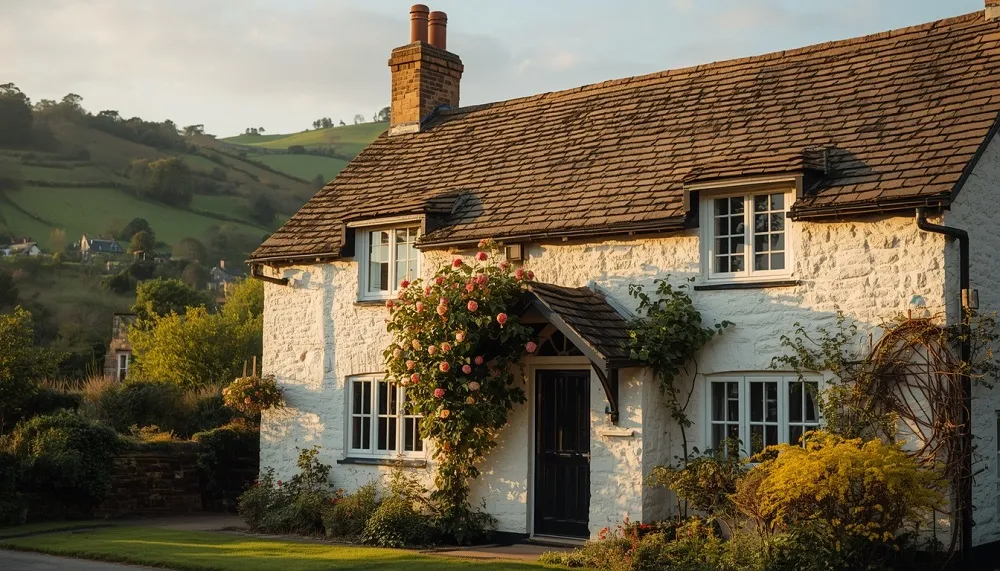
Weekend Cottage Breaks in the UK: How to Plan a 2-3 Night Stay
A weekend cottage break is the shortest holiday that still feels like a holiday. Two or three nights in a cottage of your own, a fire in the evening, a walk in the morning, and no hotel timetable telling you when to eat or sleep. It is also the break most likely to go wrong in small, avoidable ways: a cottage that only takes three nights, a Friday changeover you did not expect, a drive that eats half the weekend, or a kitchen with nothing in it when the shops have already closed. This guide explains how a weekend cottage break actually works in the UK, so the two nights you book are the two nights you enjoy.
If you are new to self-catering, start with our self-catering accommodation guide, and read our guide to how much a UK cottage holiday costs for price ranges by region, size, and season. Treat every figure in this guide as indicative, and always verify the price with the provider before you book.
What Counts as a Weekend Cottage Break
A weekend cottage break is a short break built around the weekend. The standard pattern is two nights, Friday to Sunday, and the longer version is three nights, Friday to Monday, which the big agencies call a long weekend. A midweek break is the same idea on different days, usually three nights from Monday to Thursday. The agencies generally describe a short break as a stay of two to four nights, so a weekend break sits at the short end of that range.
Short breaks are a large part of the UK cottage market. Sykes, one of the large UK cottage agencies, reports that just over half of its 2025 bookings were short breaks of six days or fewer. That matters, because cottages are set up for short stays, with changeovers built around Friday and Monday, and many owners would rather fill a weekend gap than leave a cottage empty. It also means the best weekend cottages are booked early, because a lot of other people want the same two nights you do.
The Friday Problem: Changeover Days and Minimum Stays
The first thing to understand is the changeover day. Most cottages change over on a Friday or a Saturday in the peak season, and short breaks are usually fitted around that pattern: Friday to Monday for a three-night weekend, or Monday to Friday for a four-night midweek stay. Some owners allow a two-night Friday to Sunday stay, and some only allow it outside the peak season. A few cottages change over on a Saturday, which makes a Saturday-to-Monday weekend possible, but that is less common.
The minimum stay is the second rule to check. Most short-break cottages accept bookings from two nights, but many ask for three nights at bank holidays and in school holidays, and some ask for three nights all year. Forest Holidays, for example, sets a minimum of three nights starting on a Friday, or four nights starting on a Monday. If a cottage asks for three nights and you only want two, it is worth asking the owner, because a two-night gap between longer bookings is hard for an owner to sell to anyone else, and many will fill it rather than leave it empty. See our guide to when to book a UK cottage holiday for lead times and the cheapest months to travel.
How Much a Weekend Cottage Break Costs
A weekend cottage break costs more per night than a full week in the same cottage, and that is normal: the owner still pays for a full clean, fresh linen, and a changeover, whether you stay for two nights or seven. One Yorkshire operator prices its short breaks as roughly 75 percent of the weekly rental for three nights, about 85 percent for four nights, and about 90 percent for five nights, which shows how the maths works: the shorter the stay, the closer the price gets to the full week.
Friday and Saturday nights are usually the dearest nights of the week, so a Friday to Sunday break carries two peak nights, while a Monday to Thursday break is often cheaper for the same cottage. As a real example, one Devon operator listed a Friday to Sunday weekend in November 2026 at 250 pounds for two nights in a cottage sleeping six, with a one-off dog cleaning fee of 30 pounds. That is one operator in the low season, not a national average, so use it as a guide to the shape of weekend pricing, not as a price promise. Work out the cost per person per night before you compare cottages, because a cottage that looks expensive for two people can be good value for six, and always check what is included: linen, heating, a pet fee, and a deposit all change the real total.
How Far to Drive: The Two-Hour Rule
The drive decides whether a weekend break feels like a break. A useful rule is two hours: if the cottage is within about two hours of home, you can leave after work on Friday, arrive in time for supper, and still have a full Saturday and a slow Sunday morning. Between two and three hours still works, but you lose Friday evening and you should plan to stay until Monday if you can. Over three hours each way, a two-night break spends too much of itself on the road, and you are better off booking three nights or choosing somewhere closer.
Arrival and departure times shape the weekend too. Most cottages are ready from about 3pm or 4pm on arrival day, and ask you to leave by about 10am on departure day, so a Friday to Sunday break really gives you Friday evening, all of Saturday, and Sunday morning. Plan the drive around that: leave early enough on Friday to arrive before dark, especially in winter, and do not plan a long walk for Sunday morning if you have to be out by ten. If the cottage is at the end of a single-track lane, ask about parking before you book, because a weekend break with nowhere to leave the car is a weekend spent worrying about it.
Best Regions for a Weekend Cottage Break
The best region for a weekend break is the one you can reach easily and enjoy slowly. The Cotswolds suits a first weekend break because the villages are close together, the pubs and shops are walkable, and a short stay still feels full. The Yorkshire Dales suits walkers who want a village base with routes from the door, and the Peak District works the same way for readers in the Midlands and the North. The Lake District is beautiful for a weekend, but the drive is long for readers in the South, so it suits a three-night stay better than a two-night one.

Cornwall and Devon suit a long weekend better than two nights, because the distance is long and summer roads are slow. North Norfolk and the Suffolk coast work well for readers in London and the East, with flat walks, beaches, and market towns. Wherever you choose, pick a base with a walkable village, a pub, and a shop, because on a two-night break you do not have time to drive everywhere, and the cottage matters more than the attractions around it.
What Kind of Cottage Suits Two Nights
A small cottage suits a short stay better than a large one. For two people, a one-bedroom cottage with a log burner or a hot tub gives you everything a weekend needs, and you will spend your time enjoying it rather than learning your way around a big house. For a family, choose a cottage where the bedrooms, bathrooms, and living space fit the party without anyone sleeping on a sofa bed in the living room, because on a two-night break there is no time to rearrange the furniture and no spare evening to recover from a bad first night.

Check the practical details before you book. Is there a dishwasher, so the weekend is not spent washing up? Is there a washing machine for muddy clothes? Is the heating on a timer or under your control, and is the fuel included? Does the cottage have reliable Wi-Fi if you need to work on Friday afternoon? And if you are travelling with a dog, check the garden is enclosed and the dog can be left alone in the cottage.
What to Pack When You Only Have Two Nights
Packing for two nights is different from packing for a week, because there is no time to recover from a forgotten item. Bring the first night’s food with you: bread, milk, butter, eggs, and something simple for supper, plus tea, coffee, and breakfast for the first morning. Village shops keep short hours, and on a Sunday many close early, so do not plan to shop your way out of trouble on arrival.
Take a small bag, and pack for the weather you will actually meet: walking boots and waterproofs if you plan to walk, a book and a charger if you plan to stay in, and a torch if the cottage is down a dark lane. Check what the cottage provides before you travel: linen and towels are usually included, but firewood, logs, and toilet paper are not always, and a cottage with no spare toilet paper on a Sunday is a problem with no easy solution. A cool bag with Friday supper in it is the single most useful thing you can pack for a weekend break.
Weekend Breaks With a Dog
A dog makes a weekend cottage break better, and the checks are the same ones that matter on any dog-friendly stay, only more urgent because you have less time. Ask how many dogs are allowed, what the fee is, and whether the garden is enclosed, because an enclosed garden matters most in winter, when it is dark by four in the afternoon. Ask whether the dog can be left alone in the cottage while you go to the pub, since some owners do not allow it.
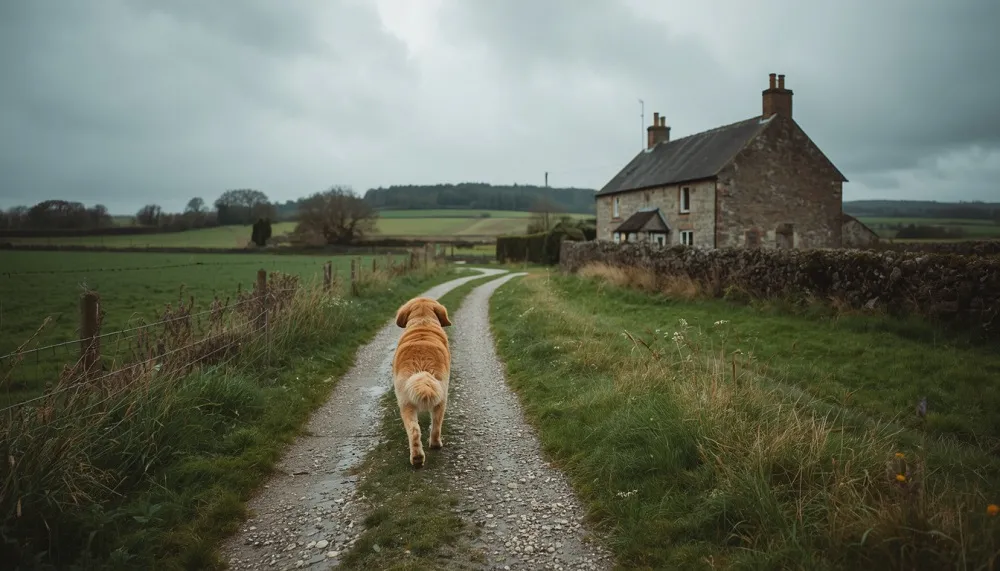
Choose a base with walks from the door, because a weekend break has no time for a drive to the start of every walk. Coastal paths, forest trails, and village pubs that welcome dogs are worth more than a long list of attractions an hour away. Many beaches that ban dogs in summer allow them again from October to April, which makes a winter weekend by the coast one of the best dog breaks of the year, but the dates vary from beach to beach, so check the local rules before you go. Take the dog’s bed, food, and a towel for muddy paws.
When a Weekend Break Is the Wrong Choice
A weekend break is not always the right length. If the drive is over three hours each way, if the party is large, or if the occasion is a birthday or a family gathering that needs a full day to settle into, two nights will feel rushed. Christmas, New Year, and school holidays are also poor times for a short break, because minimum stays stretch to a week and the price per night is at its highest.
A weekend break is also the wrong choice when the cottage needs a week to show its best. A remote cottage with a long walk to the village, a large house with a garden to explore, or a region with long drives between sights all suit a longer stay. If you find yourself adding a third night to make the trip work, that is the trip telling you something: book the three nights, or choose a closer cottage. A weekend break should feel generous, not squeezed, and the cheapest way to get that feeling is to match the length of the stay to the length of the journey.
Frequently Asked Questions
Can I book a cottage for just 2 nights?
Yes, many cottages accept two-night stays, especially outside the peak season. Some ask for three nights at bank holidays and in school holidays, so check the minimum stay on the listing and ask the owner if a two-night gap is available.
What is the difference between a weekend break and a short break?
A short break is any stay of two to four nights. A weekend break is the Friday to Sunday version, usually two nights, while a long weekend runs Friday to Monday, usually three nights. A midweek break is the Monday to Thursday version.
Why do some cottages ask for 3 nights at weekends?
A three-night minimum protects the owner’s changeover pattern. A cottage that changes over on Friday and Monday can take a three-night weekend and a four-night midweek stay with two cleans. A two-night stay can leave a gap that is hard to sell, so some owners only allow it close to the date or outside the peak season.
How much does a 2-night cottage break cost?
It varies by region, size, and season, and a weekend costs more per night than a full week in the same cottage. As a guide, one Devon operator listed a Friday to Sunday weekend in November 2026 at 250 pounds for two nights in a cottage sleeping six. Treat every price as indicative and verify it with the provider before you book.
Can I arrive on a Saturday for a weekend break?
Sometimes, but it is less common. Most cottages change over on a Friday or a Saturday, so a Saturday arrival usually means a Saturday to Monday stay where the cottage allows it. Check the changeover day on the listing before you plan around a Saturday arrival.
A weekend cottage break works when the pieces fit: a cottage you can reach in about two hours, a changeover day that matches your Friday, a minimum stay you can meet, and a village with a pub and a shop within walking distance. Get those four things right, and two nights will feel like a proper holiday rather than a rushed visit.
