
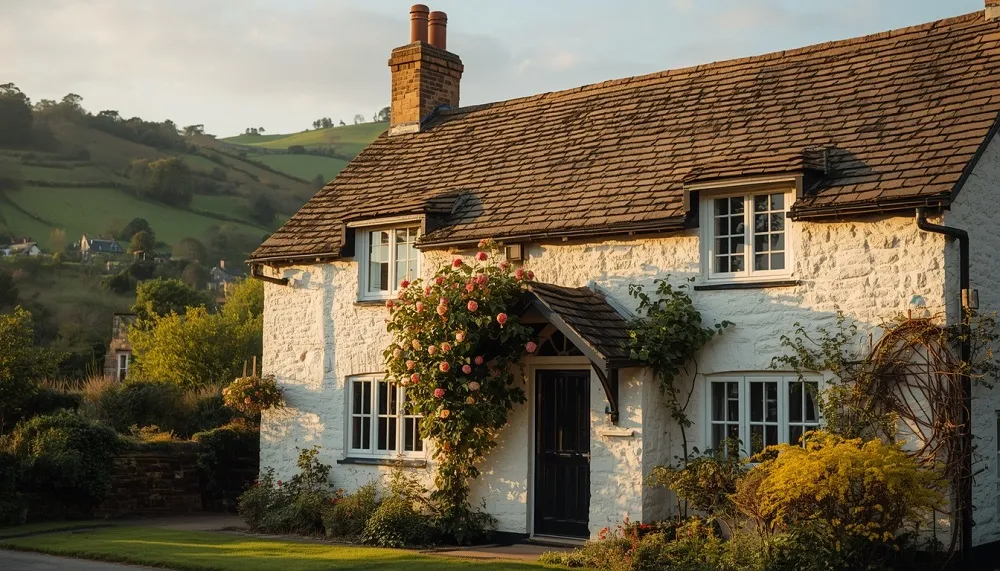
Once you have chosen the cottage, a second choice decides how much you pay, how much protection you have and who you call when something goes wrong. You can book direct with the owner, on the owner’s own website or by phone and email, or through an agency or a large booking platform that lists thousands of cottages. Both routes lead to the same front door, but the price, the contract and the help you get are different.
The short answer is that booking direct usually costs less and gives you a direct line to the person who owns the cottage, while booking through an agency usually gives you a smoother booking journey and someone to call if the stay goes wrong. If you are new to self-catering, start with our self-catering accommodation guide, which explains what is normally included in a cottage stay, and read our guide to how much a UK cottage holiday costs before you compare prices, since every figure here is indicative and should be verified with the provider.
What Booking Direct Actually Means
Booking direct means your contract is with the owner of the cottage, and you deal with that owner from the first enquiry to the day you leave. You might find the cottage on the owner’s own website, through a web search, on a small direct-booking directory, or because you stayed there before and kept the number. You email or phone the owner, agree the dates and the price, pay a deposit by bank transfer or card, and receive written confirmation with the address, arrival instructions and cancellation terms. There is no middleman taking a cut and no platform standing between you and the owner.
That direct relationship is the whole point. You can ask the owner whether the garden is fully enclosed for your dog, whether the stairs suit a toddler, or whether the Wi-Fi reaches the bedroom where you need to work, and you will get an answer from the person who knows the cottage, not from a call centre reading a listing. Owners often give returning guests first refusal on popular weeks, and many will hold dates for a day or two while you check train times. If you are bringing a dog, read our dog-friendly cottage holidays guide first, since only the owner can answer the enclosed garden and pet fee questions properly.
What Booking Through an Agency Actually Means
Booking through an agency means booking with a company that lists cottages on behalf of their owners, on its website or by phone. The big UK names are agencies such as Sykes Cottages and cottages.com, and the global platforms such as Airbnb, Booking.com and Vrbo work in a similar way for cottages. You search, filter, pay online, and receive a confirmation. The agency collects your money as the owner’s agent, and in most cases your rental contract is still with the owner, not the agency. The agency’s own booking terms say so plainly: it acts as agent for the owner, it does not own the property, and it is not a party to the rental contract.
What the agency gives you is a standardised booking journey. You can compare hundreds of cottages side by side, see a calendar that shows real availability, pay by card through a secure checkout, and get instant confirmation. If the cottage is not as described, or the owner cancels, the agency has a process for it, and a customer service team to call. That process is no guarantee of a refund or a replacement, and the terms usually say the agency may arrange alternative accommodation but is not obliged to, yet a company to call beats a mobile number that stops answering.

Price Compared: Where the Money Goes
Price is where booking direct usually wins, and the reason is simple arithmetic. When you book through a platform such as Airbnb or Booking.com, the owner typically pays commission of 15 to 20 percent of the booking, and that cost is built into the price you see. Airbnb charges most hosts a service fee of around 15.5 percent, while Booking.com charges owners up to around 23 percent for those on its visibility programme. The owner still has to cover cleaning, laundry, heating and maintenance from what is left, so the platform’s share is real money, not a rounding error.
Booking direct removes that share. The owner saves the commission, and many owners pass some of that saving on to the guest, commonly offering 10 to 15 percent off the equivalent platform rate. On a week priced at 1,200 pounds on a booking site, a 10 percent direct discount saves you 120 pounds, and the owner still earns more than they would have through the platform. That is why owners are often happy to quote a lower direct price, and why it is always worth asking whether a direct booking costs less than the platform price for the same dates.
Agencies add their own charges too. Sykes, for example, charges guests a non-refundable booking fee on top of the rental price, and its terms make clear that a deposit cancelled because you changed your mind is non-refundable. Some agencies also charge for extras such as travel insurance or a damage waiver at checkout, so compare the final total, not the headline nightly rate. Our guide to the best time to book a UK cottage holiday explains how timing affects the price on either route, and our large and family cottage holidays guide shows why per-property pricing matters most for bigger parties.
Protection and Problems: Who Helps When Something Goes Wrong
Protection is where the agency route usually wins, and the gap is widest when something actually goes wrong. A platform holds your payment, gives you a standard contract, offers a dispute process, and can sometimes refund you or find alternative accommodation if the property does not match its description, if the owner cancels, or if the listing turns out to be fake. That safety net is the main thing your commission pays for, and for a first stay in an unfamiliar cottage it is worth real money.
When you book direct, that safety net disappears and the protections available depend on how you pay and how carefully you verified the booking beforehand. There is no platform to mediate, no guarantee of a replacement cottage and no automatic refund process. Two things still protect you. First, a direct cottage booking is not covered by ATOL, and it is not a package holiday under the Package Travel Regulations unless flights and accommodation are booked together from the same seller. Second, paying by credit card can give you Section 75 protection on purchases between 100 and 30,000 pounds, so put at least the deposit on a credit card and check with your card provider first.
Choice and Availability: Finding the Right Cottage
Agencies win on choice. A large agency lists thousands of cottages, so you can filter by region, sleeps, dog-friendly, hot tub, enclosed garden and dates, and see in seconds which cottages are free for your week. That breadth matters most when you are flexible about where you stay, when you need a cottage for a large party or a specific date such as a school holiday, and when you are booking at short notice. A single owner has one cottage, so if it is booked, your search starts again.
Direct booking wins on depth. The owner’s own website, photos and description tell you far more about one cottage than a platform listing ever will, and the owner can tell you whether the second bedroom suits a teenager, whether the garden gets evening sun, and whether the road outside is quiet at night. Many of the best cottages are not on the big platforms at all, because their owners fill their calendar with returning guests and direct enquiries. The smart approach is to use an agency to shortlist an area and a style, then check whether the cottage you like also takes direct bookings.
Flexibility: Cancellation, Changes and Special Requests
Flexibility depends on who sets the rules, and that is usually the owner either way, so the difference is smaller than people expect. Through an agency you accept the cancellation terms shown at checkout, and those terms are often strict, because the agency applies the same policy across thousands of properties and the deposit is commonly non-refundable if you cancel through a change of mind. Changing dates is usually possible for an amendment fee, but the agency controls the process, and you cannot negotiate the terms with the owner directly.
Booking direct, you negotiate with the person who sets the rules, and that can cut both ways. A reasonable owner will often move your dates without a fee if they can re-let the week, allow an early check-in, or let you bring a second dog for a small charge. The same freedom means a less reasonable owner can refuse a refund an agency would have processed, so get every agreement in writing before you pay the balance. If you are comparing a cottage with a hotel as well, our cottage versus hotel guide for families covers the same flexibility question from the other side.
Safety Checks Before You Book Direct
Direct booking is safe when the owner is real and established, and risky when you cannot verify either, so run these checks before you pay anything. They take twenty minutes and they are the difference between a bargain and a scam.
- Check the owner has an established presence: a real website, a landline number, reviews on independent sites, and a history longer than a few weeks.
- Search the cottage name and address to confirm the property exists, and run a reverse image search on the listing photos to check they have not been copied from another property.
- Phone the owner and ask a specific question about the cottage, such as where the parking is or how the heating works. A genuine owner answers easily.
- Pay by credit card, never by bank transfer to a personal account for a first booking, and never pay the full amount before you have written confirmation.
- Get written confirmation by email showing the property address, the dates, the total price, what is included, and the cancellation terms, before you pay the balance.
- Be suspicious of prices far below similar cottages, pressure to pay quickly, or an owner who will only communicate through a messaging app.

When an Agency Is the Better Choice
An agency is the better choice when you are booking a cottage you have never stayed in, in an area you do not know, for dates you cannot move, such as a school holiday or a birthday weekend. The standard contract, the card payment and the customer service team are worth the commission when the stakes are high and the owner is a stranger. An agency is also better when you need to compare many cottages quickly, want instant confirmation, or are booking from abroad. Many regular guests use both routes: the agency to discover a cottage, then a direct booking with the same owner for the return visit.
How to Decide: Five Questions Before You Book
Ask yourself these five questions and the right route usually becomes obvious. First, have you stayed here before, or can you verify the owner? If yes, book direct and keep the saving. Second, how much is the saving? Compare the final totals, since a two-week family stay can differ by hundreds of pounds. Third, how fixed are your dates? If you cannot move them, the agency’s replacement process is worth more than the saving. Fourth, how much help might you need? A first stay, a large party or access needs all argue for the agency route. Fifth, what do the cancellation terms say? The cheapest price with the harshest terms is no bargain if your plans change. If you are still choosing between types of stay, our self-catering versus bed and breakfast guide compares a cottage with a hosted stay.
Frequently Asked Questions
Is it cheaper to book a cottage direct with the owner?
Usually yes. Platform commission is typically 15 to 20 percent of the booking, and owners commonly offer 10 to 15 percent off the platform rate for a direct booking. Compare the final total on each route, including booking fees.
Is it safe to book a cottage direct?
Yes, when the owner is verifiable: an established website, independent reviews, a phone conversation, and written confirmation before you pay. Pay by credit card rather than bank transfer, and be suspicious of prices far below similar cottages or pressure to pay quickly.
What protection do I lose by booking direct?
You lose the platform’s dispute process, payment holding and help finding alternative accommodation. Your contract is with the owner, and a direct booking is not covered by ATOL and is not a package holiday unless travel is booked with it. Credit card Section 75 protection can still apply, so check with your card provider.
Do agencies own the cottages they list?
No. Agencies such as Sykes and cottages.com act as agent for the owner. Your rental contract is with the owner, not the agency, and the agency’s terms usually say it accepts no liability for defects in the property. The agency provides the booking service, the payment handling and the customer service.
Can I find the same cottage cheaper direct after seeing it on an agency site?
Often yes. Search the cottage name online to find the owner’s own website, then enquire direct and ask whether the direct price is lower. Owners are usually happy to take a direct booking, and many offer returning guests a better rate.
There is no single right answer, only the right answer for your trip. Book direct when you know the cottage or can verify the owner, and keep the saving. Book through an agency when the dates are fixed, the cottage is unknown, or you want a company to call if things go wrong. Either way, compare the final total, read the cancellation terms, and pay by card.

