

Dog-Friendly Cottages in Dartmoor: Staying Near the Moor With Your Dog
Dartmoor is one of the easiest places in England to imagine a dog holiday, and one of the places where the details matter most. Open moor, wooded valleys, reservoirs and village pubs all sit close together, but the same landscape is also a working landscape, with free roaming ponies, sheep and cattle, ground nesting birds in spring and summer, and weather that can change between breakfast and lunch. A good Dartmoor cottage holiday for a dog owner is therefore not about finding any cottage that allows dogs. It is about finding a base where the garden is genuinely secure, the walks from the door suit your dog, and the local rules are easy to follow without spoiling the break.
This guide is written for guests, not owners. It explains how to choose a dog friendly cottage in Dartmoor, which areas make the best bases, what the moor walking rules mean in practice, and what to pack. It builds on the general checklist in our dog-friendly cottage holidays guide, but every section here is specific to Dartmoor, so you can use the two guides together when you compare cottages.
Why Dartmoor Suits a Dog Holiday, and When It Does Not
Dartmoor suits dogs that enjoy space, scent and variety. A single stay can include open moorland, a woodland walk, a riverside path and a village green, often without driving far. That variety helps dogs that get bored on one short pavement loop, and it helps owners who want a proper walk in the morning and a quieter wander in the afternoon. Many Dartmoor villages are also used to dogs, with pubs, cafes and shops that expect muddy paws, although you should still check each place before you go, because dog policies vary by business and by season.
Dartmoor does not suit every dog on every day. Dogs with poor recall, dogs that chase livestock, and dogs that are anxious around other dogs will need more planning here than on an enclosed beach walk or a fenced field. The moor is open access land in many places, which means livestock can appear around a corner and other walkers, horses and cyclists can share the same path. A reactive dog can still have a good Dartmoor holiday, but the base matters more: a quieter lane, a secure garden and walks that start away from the busiest car parks will matter more than a cottage in the middle of a honeypot village.
Weather is the other honest factor. Dartmoor can be wet, windy and boggy, even in months that feel settled elsewhere in Devon. That is not a reason to avoid it, but it is a reason to choose a cottage with space to dry a dog, a hard floor or utility area if possible, and a garden where a wet dog can have a last toilet break without a long drive in the dark.
What to Check Before You Book a Dog-Friendly Dartmoor Cottage
Start with the booking details, not the photographs. Ask how many dogs the cottage accepts, whether there is a size or breed restriction, whether dogs are allowed in bedrooms or on furniture, and whether dogs can ever be left alone in the cottage. Some cottages accept two dogs but not three, some charge a pet fee per dog per stay, and some ask that dogs are not left alone at all. These rules vary by provider, so treat any fee or limit you see on one listing as indicative only, and confirm the exact terms with the provider before you book.
Next, check the practical layout. Ask where the dog will sleep, whether there is a stair gate or a ground floor sleeping option for older dogs, whether the garden gate can be locked, and whether the cottage has a secure place to wash muddy paws. A cottage that looks perfect in photographs can still be awkward for a large dog if the only garden access is through a bedroom, or for an older dog if every toilet break means steep stone steps.
Finally, check the location in the same way you would check a walking route. Look at the map, not just the village name. A cottage described as near Dartmoor might be a short walk from open moor, or it might be a twenty minute drive from the nearest moor car park. If walks from the door matter to you, ask the provider directly how far the nearest off road walk is, and whether the route crosses a road, a cattle grid or a field with livestock. That one question will tell you more than a long list of nearby attractions.
Enclosed Gardens in Barn Conversions and Moor Cottages: What Secure Really Means
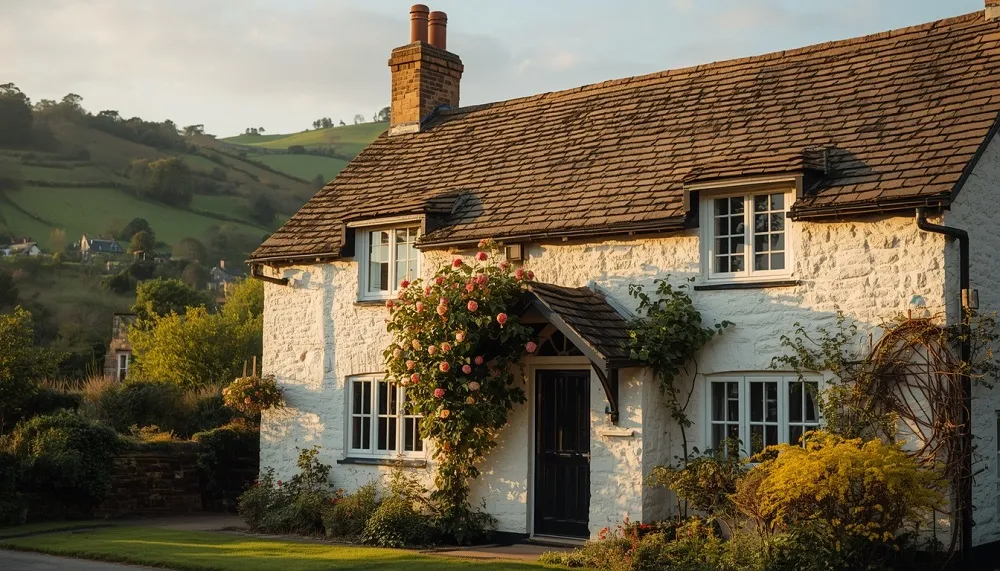
On Dartmoor, the garden question is the most important question of all, and the word secure is used in many different ways. A garden can be enclosed, meaning it has a boundary, without being secure for your dog. A low stone wall, a hedge with gaps, a gate that a small dog can slip under, or a shared courtyard can all be described as enclosed in a listing. For a dog that can jump, dig or squeeze through a gap, none of those is enough on its own.
Barn conversions deserve special care. They often have beautiful stone courtyards and large open areas, but the boundary may be a low wall built for appearance rather than containment, and there may be shared access for other cottages or farm vehicles. Ask for the height of the lowest boundary, whether the gate latches securely, whether there are gaps under gates or beside outbuildings, and whether the garden is for your exclusive use. If the provider cannot answer, treat the garden as not secure and plan walks accordingly.
Also ask about the ground itself. Dartmoor gardens can be steep, can include a stream or pond, or can back directly onto open moor through a gate used by walkers. None of those is a deal breaker, but each one changes how you will use the garden at night and in bad weather. A flat, fenced area where a dog can toilet safely in the rain is worth more on a Dartmoor break than a large but open lawn that looks good in summer photographs.
Best Areas to Base: Tavistock Side, Chagford, Widecombe, Princetown and Ashburton
Choosing a base on Dartmoor is a trade between moor access, village facilities and quiet. There is no single best village, because the right choice depends on your dog and your plans. The areas below cover the main options, so you can match a base to your break rather than copying someone else’s itinerary.
The Tavistock side, on the western edge of the moor, suits walkers who want a market town with shops, pubs and vets nearby, plus quick access to western moorland and wooded valleys. It is a practical base for a first Dartmoor stay, because you can stock up, find a dog friendly pub easily, and still be on the moor in minutes. The trade is that some of the best western walks start from car parks that fill on fine weekends, so early starts help.
Chagford, on the north eastern edge, suits couples and walkers who want a compact, characterful town with a good range of pubs and shops, plus access to the north moor and the Teign valley. It works well as a base for dogs that enjoy varied walks, because you can choose between moor, woodland and riverside routes without a long drive. For a wider Devon and Dartmoor context, our self-catering cottage Devon guide explains how the Dartmoor edge fits into a Devon stay.
Widecombe-in-the-Moor suits visitors who want a classic moor village atmosphere, with a village green, church and pubs, and walks that start close to the village. It is a good choice for a slower break, but parking and facilities are more limited than in a market town, so check shop and pub opening times and plan food shopping in advance. Dogs that are nervous in crowds may prefer a lane outside the village rather than a cottage on the green itself on a busy weekend.
Princetown, high on the central moor, suits experienced moor walkers who want to be in the middle of the landscape rather than on its edge. The walks are immediate and dramatic, but the weather is more exposed, facilities are fewer, and the village can feel remote in winter. It is a strong choice for fit dogs and confident navigators, and a less forgiving choice for a first visit with a young puppy or an older dog that needs short, flat walks.
Ashburton, on the southern edge, is a useful southern gateway, with a traditional high street, tea rooms and pubs, and access to southern moor and wooded valleys. It suits visitors who want to combine Dartmoor walks with south Devon days, and it is a sensible base if you are arriving from the south and want to avoid crossing the whole moor on arrival day. As with every Dartmoor base, check the exact cottage location, because a cottage in the town and a cottage in a hamlet outside it can feel very different for a dog owner.
Moor Walking Rules, Livestock and Ponies: The Lead Rules That Matter
The most important Dartmoor rule for dog owners is simple: keep your dog on a short lead around livestock, and keep your dog under close control at all times. Dartmoor ponies, sheep and cattle roam freely, and worrying livestock is a serious matter. Sheep that are chased can be injured, can lose lambs, and can suffer stress that is not obvious from a distance. The National Trust Canine Code, which applies on land it manages on Dartmoor, makes the same point: use a short lead around sheep, keep dogs close around other visitors, and follow local signs.
There is one important exception that surprises many owners. If cattle approach you, the usual advice is to let your dog off the lead and call it back when it is safe, rather than keeping dog and owner tied together in the path of the cattle. That advice is about human safety, and it only makes sense if your dog has a reliable recall. If your dog will not come back, the safer choice is to avoid cattle fields and busy livestock areas altogether, and to choose woodland or reservoir walks instead.
Seasonal rules add another layer. During lambing and ground nesting bird season, which broadly runs from March to July, guidance on Dartmoor asks for dogs to be kept on short leads on common moorland, and the National Park Authority reviews its byelaws and guidance from time to time. Do not rely on a blog post, including this one, for the current legal position on your travel dates. Check the Dartmoor National Park Authority guidance before you travel, read the signs at the car park where you start your walk, and follow any local restriction for that day. A route that was fine last year can have a temporary restriction this year.
Good practice also means picking up after your dog, taking bags home if there is no bin, keeping dogs off paths where signs ask for it, and not letting a dog run up to other people, children, horses or other dogs without consent. These habits matter more on Dartmoor than on a private walk, because the moor is shared by farmers, commoners, walkers, riders and wildlife, and one uncontrolled dog can affect a whole working day.
Walks From the Door: Reservoirs, Woods and Gentler Moor Edges
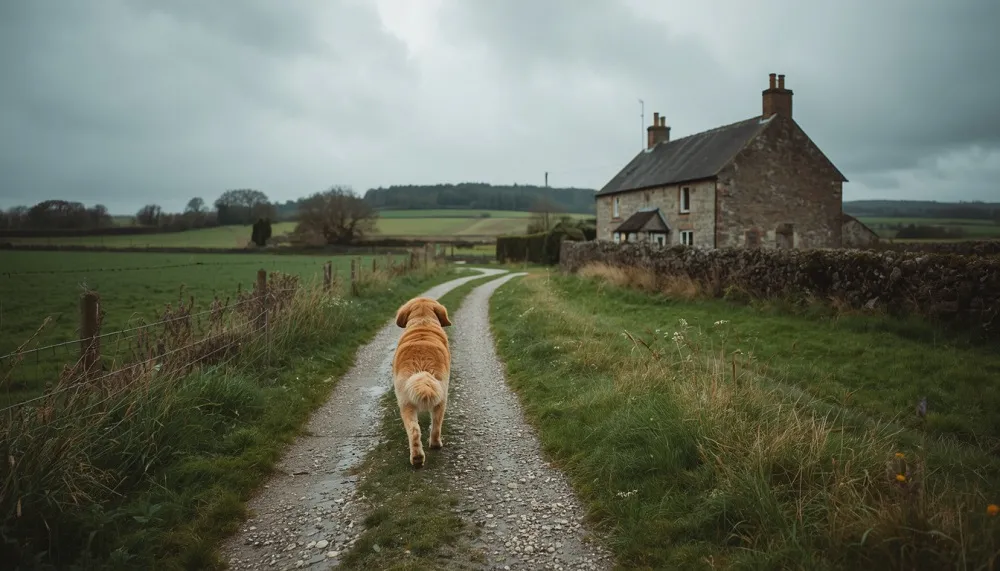
If your dog is new to Dartmoor, start with a contained walk rather than an open moor crossing. Burrator Reservoir, on the south western edge, offers woodland and waterside paths with a clear route, and a shorter there and back option for dogs that are still building fitness. Bellever Forest, in the east, offers forest trails and open meadow edges, which give a dog scent and shade without the full exposure of the high moor. Both are useful first day walks, because they let you judge your dog’s fitness, recall and reaction to other dogs before you try a longer moor route.
For fitter dogs, the moor edge walks around Chagford, Widecombe and the Teign valley give a gentler introduction to open ground than a central moor crossing, because you can turn back to a lane or village more easily. For dogs that love water, riverside paths in wooded valleys can be a good summer option, but check the current, the depth and whether the bank is safe for your dog before you let it swim. For older dogs, a village lane, a reservoir path or a short woodland loop is a better daily walk than a steep tor climb, however photogenic the tor looks.
Plan every walk with an exit in mind. On Dartmoor, that means knowing where the car park is, whether the route crosses a road, and what you will do if livestock appear, the weather turns, or your dog tires. Carry water for your dog, even on a cool day, because moor streams are not always safe or accessible, and carry a lead even if you plan to let your dog off lead in a safe area, so you can clip on quickly when livestock or other walkers appear.
Seasonal Cautions: Lambing, Ground-Nesting Birds, Heat, Ticks and Boggy Ground
Spring brings lambs and nesting birds, and with them the strongest reason to keep dogs on leads on the moor. Summer brings heat on exposed ground, adders in some areas, and busy car parks, so early morning walks and shaded woodland routes are kinder for dogs than a midday moor crossing. Autumn brings quieter paths and good walking weather, but also shorter days and boggy ground after rain, so a torch, a charged phone and a known route matter more than they do in summer.
Winter on Dartmoor can be beautiful and very quiet, but it is also the season when a cottage with a log burner, a drying area and a secure garden matters most. Short days, low cloud and wet ground mean walks need to be shorter and closer to the base, and a dog that is wet and cold after every walk will enjoy the break far less than a dog that can dry off by the fire. If you are booking a winter Dartmoor stay, ask about heating, drying space and the state of the lane in bad weather, and check the guidance in our when to book a cottage holiday guide for lead times and seasonal trade offs.
Ticks are a year round consideration on Dartmoor, especially after walks through bracken, long grass or woodland. Check your dog after every walk, carry a tick remover, and talk to your vet before travel about prevention if your dog is not already covered. Boggy ground is another Dartmoor reality: after rain, paths that look firm can hide deep mud, and dogs can pick up cuts from sharp stone or get stuck in a bog edge. Keep dogs on paths in wet conditions, and avoid letting a dog run across unknown boggy ground.

What to Pack for a Dartmoor Dog Break
Pack for Dartmoor as if the weather will change, because it often does. Bring a short lead and a long lead, so you have control around livestock and freedom in safe enclosed areas, plus a harness that fits well for steep or uneven ground. Bring towels, including one for the car, a dog coat for wet or cold days if your dog needs one, and a portable water bowl. Bring poo bags, a tick remover, and any medication your dog needs, with a note of the nearest vet to your cottage saved before you travel.
Inside the cottage, bring your dog’s own bed or blanket, so the cottage smells familiar on the first night, plus a familiar toy and enough food for the whole stay, because a small Dartmoor village shop may not stock your dog’s usual food. Bring a stair gate if you use one at home, and a towel or blanket to protect furniture if the cottage allows dogs on sofas only with a cover. If your cottage has a hot tub, check the hot tub rules for dogs before you travel, because dogs are often not allowed in the tub itself and may need to stay in a separate area while owners use it.
For the car, bring a boot liner, a spare towel and a plan for a wet dog on the journey home. Dartmoor lanes are narrow, and a wet dog in a car after a long walk is a normal end to a Dartmoor day, not a problem, provided you have planned for it. A little preparation here is what turns a muddy walk from a hassle into part of the holiday.
How to Choose Between a Village Cottage and a Moor-Edge Cottage
A village cottage gives you pubs, shops and short pavement walks on arrival day, plus neighbours who can tell you which walks are quiet that week. It suits first time Dartmoor visitors, owners with older dogs, and anyone who wants a holiday where the car can stay parked for a day or two. The trade is noise, parking pressure on fine weekends, and a garden that may be smaller or shared.
A moor edge cottage gives you immediate open walks, quieter nights and a stronger sense of being on Dartmoor itself. It suits confident walkers, dogs with good recall, and visitors who are happy to drive for shopping and pubs. The trade is exposure to weather, longer drives for supplies, and a greater need to check the garden, the lane and the livestock situation before you book. Our cottage holiday cost guide can help you weigh the price difference too, because a village cottage and a remote moor cottage in the same season can sit in different price bands for reasons that have nothing to do with quality, and all prices should be treated as indicative and verified with the provider.
If you cannot decide, choose the base that solves your dog’s biggest problem. For a reactive dog, that is a quiet lane and a secure garden. For an older dog, that is flat access and short walks. For a young, energetic dog, that is varied walks and a safe place to run. For a dog that travels badly, that is the shortest drive from home that still gives you Dartmoor. The prettiest cottage is not always the best cottage for your dog, and the best Dartmoor holiday is the one your dog can actually enjoy, day after day.
Frequently Asked Questions
Can my dog go off lead on Dartmoor?
Sometimes, in safe areas away from livestock, wildlife and other visitors, and only if your dog has a reliable recall and stays in sight. Around sheep, ponies and cattle, and during lambing and ground nesting bird season, keep your dog on a short lead, and always follow the signs and the current Dartmoor National Park Authority guidance for your travel dates.
How many dogs can I bring to a Dartmoor cottage?
It varies by cottage. Some accept one dog, some accept two, and a few accept more, often with a pet fee per dog per stay. Always confirm the number, any size restriction and the fee with the provider before you book, because the limit is set by the cottage, not by Dartmoor.
Are Dartmoor pubs and cafes dog friendly?
Many are, especially in walking villages and market towns, but policies vary by business, by room and by season. Check before you go, especially for evening meals, and bring a blanket or bed for your dog so it can settle under the table.
Is Dartmoor suitable for a reactive dog?
It can be, with the right base. Choose a quiet lane rather than a honeypot village, a genuinely secure garden, and walks that start away from busy car parks. Avoid peak weekend times for your first visit, and plan an exit route for every walk so you can create distance if another dog appears.
When is the best time for a dog holiday in Dartmoor?
Late spring and early autumn often give the best balance of daylight, quieter paths and manageable weather, while summer gives long days but busier car parks and more livestock encounters. Winter can be wonderful for a quiet, fireside break, provided your cottage has good heating, drying space and a secure garden. For a fuller picture of timing and cost, see our self-catering accommodation guide and our luxury cottage stay guide for the standards to expect at the top end of the market.
Dartmoor rewards dog owners who plan the small things: a secure garden, a short lead, a walk with an exit, and a cottage that fits the dog in front of you rather than the dog in the photograph. Get those right, and the moor, the woods and the villages will do the rest.

