

Pen-y-Ghent is one of the most iconic mountains in Northern England and a highlight of the Yorkshire Dales National Park. Rising to 694 metres above sea level, it attracts thousands of walkers each year who come to experience its dramatic landscapes, rewarding summit views, and rich outdoor heritage.
As one of the famous Yorkshire Three Peaks, Pen-y-Ghent holds a special place among hikers. While it is the lowest of the three mountains, many consider it the most distinctive due to its unique shape and exciting scramble near the summit. Whether you are planning your first hike, training for the Yorkshire Three Peaks Challenge, or simply exploring the Yorkshire Dales, Pen-y-Ghent offers an unforgettable adventure.
This guide covers everything you need to know before your visit, including its history, geology, walking routes, wildlife, seasonal conditions, safety tips, and practical travel advice.
The History of Pen-y-Ghent
Meaning Behind the Name
The name Pen-y-Ghent has fascinated visitors for generations. Although scholars continue to debate its exact origin, many believe the name combines elements from Celtic languages. The word “Pen” commonly means hill or summit, while “Ghent” may relate to a border or edge. Together, the name reflects the mountain’s striking position within the Yorkshire landscape.
Historical Significance
For centuries, Pen-y-Ghent has served as a landmark for travellers, shepherds, and local communities. Long before recreational hiking became popular, people crossed these uplands for farming, trade, and transportation.
The surrounding area contains evidence of ancient settlement and agricultural activity. Dry stone walls, historic pathways, and traditional farming practices continue to shape the landscape visitors see today.
Early Exploration and Walking Routes
The Victorian era played a major role in popularising walking and outdoor exploration. As railway connections improved access to rural Yorkshire, more people began visiting the Dales. Pen-y-Ghent quickly became a favourite destination for those seeking fresh air and spectacular scenery.
Development of Modern Hiking Trails
Today, established footpaths and waymarked routes make the mountain accessible to walkers of varying experience levels. Conservation efforts help protect these trails while preserving the area’s natural beauty.
Understanding the Geography of Pen-y-Ghent
Location Within the Yorkshire Dales
Pen-y-Ghent is located in the southern section of the Yorkshire Dales National Park in North Yorkshire. The mountain stands close to the village of Horton-in-Ribblesdale, which serves as the most common starting point for hikers.
Surrounding Landscapes
The surrounding countryside features rolling hills, limestone pavements, dramatic valleys, and open moorland. This diverse terrain creates a stunning backdrop for outdoor activities and photography.
Nearby Peaks and Valleys
Pen-y-Ghent forms part of the Yorkshire Three Peaks alongside Whernside and Ingleborough. Together, these mountains create one of Britain’s most famous long distance walking challenges.
Connection to the Pennine Way
The Pennine Way, one of England’s best known national trails, passes close to Pen-y-Ghent. Many walkers encounter the mountain while completing sections of this historic route.
Geological Formation of Pen-y-Ghent
Limestone Foundations
One of the most fascinating aspects of Pen-y-Ghent is its geological structure. The mountain’s lower slopes are dominated by Carboniferous limestone, formed approximately 350 million years ago when the area lay beneath a tropical sea.
Millstone Grit Layers
Above the limestone sits a layer of Millstone Grit. This durable rock helps create the mountain’s distinctive profile and steep upper slopes.
How the Distinctive Shape Formed
Over millions of years, erosion shaped Pen-y-Ghent into the mountain seen today. Wind, rain, ice, and natural weathering gradually carved the landscape, creating cliffs, terraces, and dramatic features.
Geological Features Visible Today
Visitors can observe exposed rock layers, limestone scars, sinkholes, and fascinating natural formations throughout the area. These geological features contribute significantly to the mountain’s visual appeal.
Popular Walking Routes on Pen-y-Ghent
Horton-in-Ribblesdale Circular Route
The most popular Pen-y-Ghent walk begins in Horton-in-Ribblesdale. This circular route covers approximately 10 kilometres and typically takes three to four hours to complete.
Pennine Way Approach
Many walkers choose to follow sections of the Pennine Way before joining the main ascent route. This option offers excellent scenery and well established paths.
Yorkshire Three Peaks Route
For participants tackling the Yorkshire Three Peaks Challenge, Pen-y-Ghent is often the starting point. The challenge covers approximately 24 miles and includes all three major peaks within twelve hours.
Alternative Scenic Walks
Several lesser-known routes offer quieter experiences while still providing excellent views of the Yorkshire Dales landscape.
Complete Step-by-Step Guide to Climbing Pen-y-Ghent
Preparing for the Walk
Before setting out, check weather forecasts, pack suitable clothing, and ensure you have enough food and water for the journey.
Reaching the Summit
The route gradually climbs through fields and open countryside before becoming steeper as you approach the upper slopes.
The Famous Scramble
Near the summit, hikers encounter a short scramble. While this section is not technically difficult, it requires careful footing, especially during wet conditions.
Returning Safely
Many walkers descend via Brackenbottom, completing a circular route back to Horton-in-Ribblesdale. This return journey provides different perspectives of the surrounding countryside.
Is Pen-y-Ghent Suitable for Beginners?
Pen-y-Ghent is often considered one of the best introductory mountains in the Yorkshire Dales. Although it requires a reasonable level of fitness, most beginners can successfully reach the summit with adequate preparation.
The route includes some steep sections and uneven terrain, but clear paths and manageable distances make it accessible for many first-time hikers.
Families with older children frequently complete the walk together. However, parents should assess weather conditions and individual abilities before attempting the climb.
Pen-y-Ghent Through the Seasons
Spring Hiking Conditions
Spring brings fresh greenery, blooming wildflowers, and comfortable temperatures. This season is ideal for walkers seeking quieter trails and vibrant landscapes.
Summer Walking Tips
Summer offers longer daylight hours and generally stable weather. However, popular weekends can become busy, particularly during holiday periods.
Autumn Photography Opportunities
Autumn transforms the Yorkshire Dales with rich colours and dramatic lighting. Photographers often consider this one of the most rewarding times to visit.
Winter Safety Advice
Winter conditions can introduce snow, ice, and strong winds. Appropriate equipment and experience become increasingly important during colder months.
Wildlife, Nature and Conservation
The landscape surrounding Pen-y-Ghent supports a variety of wildlife. Birdwatchers may spot curlews, lapwings, skylarks, and birds of prey across the open moorland.
The area’s limestone habitats support unique plant communities adapted to challenging environmental conditions. Conservation organisations work closely with local landowners to protect these fragile ecosystems while maintaining public access.
Photography Guide to Pen-y-Ghent
Best Sunrise Locations
Early morning light often creates spectacular conditions on the eastern slopes and summit ridge.
Best Sunset Viewpoints
Evening visitors can enjoy panoramic views across the Yorkshire Dales as sunlight illuminates the surrounding hills.
Landscape Photography Tips
Wide angle lenses work particularly well for capturing Pen-y-Ghent’s distinctive profile and dramatic scenery.
Seasonal Photo Opportunities
Each season provides unique photographic possibilities, from spring wildflowers to winter snow covered landscapes.
Pen-y-Ghent vs Ingleborough vs Whernside
Many hikers compare the Yorkshire Three Peaks before choosing which mountain to climb.
Pen-y-Ghent is often considered the most characterful due to its scramble and distinctive shape.
Ingleborough offers perhaps the most dramatic summit plateau.
Whernside, the highest of the three, provides extensive panoramic views and a longer walking experience.
For beginners, Pen-y-Ghent is frequently regarded as the most approachable option.
Planning Your Visit
Parking Information
Pay and display parking is available in Horton-in-Ribblesdale, though spaces can fill quickly during busy periods.
Public Transport
The Settle to Carlisle railway line provides convenient access to Horton-in-Ribblesdale station.
Local Accommodation
Visitors can choose from guesthouses, cottages, hotels, and campsites throughout the Yorkshire Dales.
Nearby Attractions
Popular attractions include Malham Cove, Ribblehead Viaduct, Ingleborough Cave, and the scenic market town of Settle.
Safety Tips for Hiking Pen-y-Ghent
Always check weather forecasts before setting out. Carry waterproof clothing, suitable footwear, navigation tools, and emergency supplies.
Stay on designated paths where possible and allow extra time if conditions deteriorate. Walking with companions can enhance safety and enjoyment.
Frequently Asked Questions
How difficult is Pen-y-Ghent?
Most walkers consider it a moderate hike suitable for reasonably fit beginners.
How long is the walk?
The standard circular route takes approximately three to four hours.
Can dogs climb Pen-y-Ghent?
Yes, many walkers bring dogs, provided they remain under control and are comfortable with uneven terrain.
Is there a scramble?
Yes, a short scramble near the summit adds excitement to the climb.
When is the best time to visit?
Spring, summer, and early autumn generally provide the most favourable conditions.
Can I stay in a cottage in Horton-in-Ribblesdale for a Pen-y-Ghent walk?
Yes, Horton-in-Ribblesdale is the most practical cottage base for this walk because the circular route starts there. Check parking, arrival day, and distance from the trailhead before booking, and choose a cottage with drying space if you are walking in wet weather.
Is one cottage base enough for all three Yorkshire peaks?
Yes, for most walkers one base in the Three Peaks area works well, because Whernside and Ingleborough are also reached from nearby villages. A single base saves packing up between walks, but allow a rest day if your group is not used to back-to-back long walks.
What should walkers check before booking a cottage near Pen-y-Ghent?
Check drying space, laundry, parking, kitchen facilities, shop distance, dog rules if you are bringing a dog, and the total price including any extra charges. Confirm anything unclear with the provider before you pay, rather than assuming it from photos or a listing summary.
Staying in a Cottage Near Pen-y-Ghent: What to Look For
Pen-y-Ghent works best as a walking holiday when the cottage does part of the work for you. A good base is close enough to Horton-in-Ribblesdale that the walk starts without a long drive, and quiet enough at night that an early start feels easy rather than rushed. That is the main difference between a cottage that simply happens to be in Yorkshire and a cottage that actually suits a Pen-y-Ghent weekend.
Start with the practical checks. Ask how far the cottage is from the Horton-in-Ribblesdale trailhead, whether parking is included, and what the arrival and departure days are. A Friday to Monday stay can fit a Pen-y-Ghent walk plus a rest day, while a Saturday to Saturday stay gives room for all three peaks without packing up in between. If you are comparing villages, the best places to stay in the Yorkshire Dales guide explains how the main bases differ, so you can judge whether Horton-in-Ribblesdale, Settle, or a quieter village suits your group.
Self-catering also matters more on a walking trip than on a sightseeing trip. You will want a proper kitchen for an early breakfast, space to pack lunch, and somewhere to dry wet jackets and boots. Our self-catering accommodation guide explains what is usually included, and what is worth asking about before you book, from bedding and towels to heating and laundry. Prices vary by season, cottage size, and location, and any price you see should be treated as indicative until you verify the total with the provider.
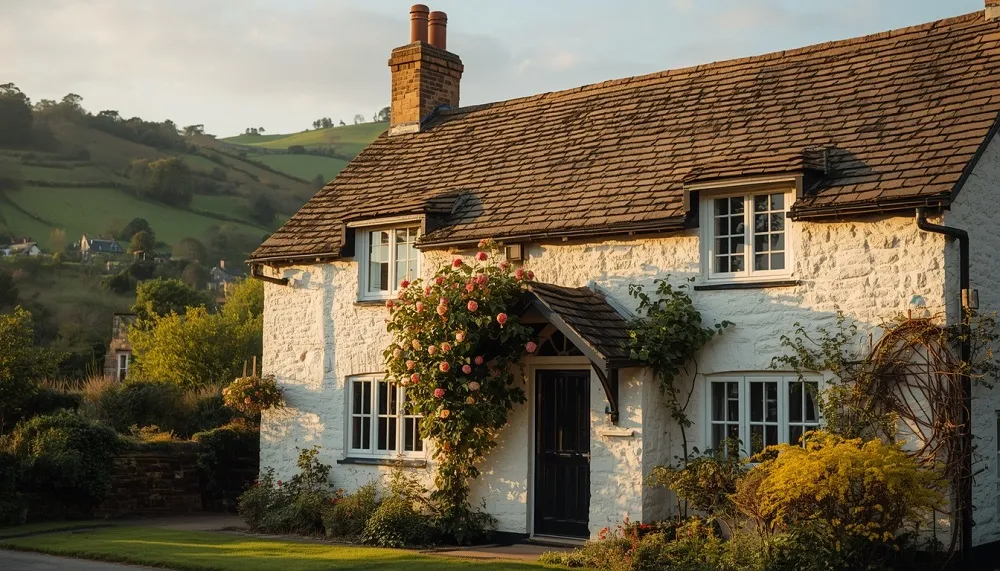
Using Pen-y-Ghent as a Base for the Yorkshire Three Peaks
Many walkers use Pen-y-Ghent as the first peak of the Yorkshire Three Peaks, then tackle Whernside and Ingleborough from the same base. Staying put has a clear advantage. You learn the roads, the parking, and the local shops once, and you come back each evening to the same kitchen, the same beds, and the same drying space. That routine matters after a long day on the hills, especially if the weather turns.
Plan the order around your group, not around a fixed rule. Pen-y-Ghent first suits many walkers because it is often described as the most approachable of the three, but a tired group may prefer a rest day between peaks, or a shorter walk on the middle day. Build that rest day into the booking if you can, rather than assuming you will feel fresh every morning. If you are choosing dates, when to book a UK cottage holiday explains lead times, cheaper months, and short break rules, which helps you avoid booking a peak weekend cottage at the last minute and finding only unsuitable options left.
Recovery is part of the plan too. A cottage with a hot tub can be a welcome end to a walking day, but check whether the tub is private to your cottage or shared, and what the rules are for use after a muddy walk. Our cottage with a hot tub guide explains the private versus shared difference and the price uplift to expect, again as an indicative range to verify with the provider, not a guaranteed figure.

What Walkers Should Check Before Booking a Walking Cottage
Use this short checklist before you pay, and treat any unclear answer as a reason to ask again, not to guess.
- Boot room or drying space: somewhere muddy boots and wet jackets can dry overnight without going into bedrooms.
- Laundry: a washing machine, or a clear note that there is none, so you can pack accordingly for a multi-day trip.
- Parking and access: included parking, and an honest note on how far you walk from the car to the door with bags.
- Kitchen and shops: a usable kitchen for early breakfasts, and a check on how far the nearest shop is for packed lunch supplies.
- Dogs, if relevant: whether dogs are allowed, how many, and what the rules are for muddy paws and enclosed gardens.
- Total price: the full cost including any cleaning or pet charges, and the cancellation terms, before you commit.
These checks also protect the rest of the trip. A cottage that looks perfect in photos but has no drying space, no parking, and a strict Saturday-only changeover can turn a simple Pen-y-Ghent weekend into a logistical puzzle. For a sense of what a cottage holiday typically costs by region, size, and season, see how much a UK cottage holiday costs, and use it as a planning guide only, with final prices verified with the provider. If you want a more luxurious base after a hard walking day, the luxury holiday cottage stay guide explains which features are genuinely worth paying for, and which are simply nice to have.
Conclusion
Pen-y-Ghent is one of the finest hiking destinations in England. Its combination of natural beauty, fascinating geology, accessible routes, and Yorkshire Three Peaks heritage makes it an outstanding choice for walkers of all experience levels.
Whether you are pursuing a personal challenge, enjoying a family adventure, or exploring the Yorkshire Dales for the first time, Pen-y-Ghent delivers an experience that continues to inspire visitors year after year.
