Scotland Cottage Holidays: Best Regions to Stay In as a Base
Scotland is the biggest cottage country in the United Kingdom, and it is also the easiest to get wrong. The Highlands alone form the largest council area in Britain. The driving is slow, the weather changes by the glen, and the cottage that suits a week on Skye is not the cottage that suits a week in the Borders. Pick the right base and the loch, the walk, and the pub are all close at hand. Pick the wrong one and you spend the week in the car.
This guide compares the best regions to stay in as a cottage base, from Inverness and the Cairngorms to Skye and the far north, so you can match the base to the break you want. If you are new to self-catering, start with our self-catering accommodation guide. Treat every price here as indicative, and verify it with the provider before you book.
Why Scotland Suits a Cottage Holiday So Well
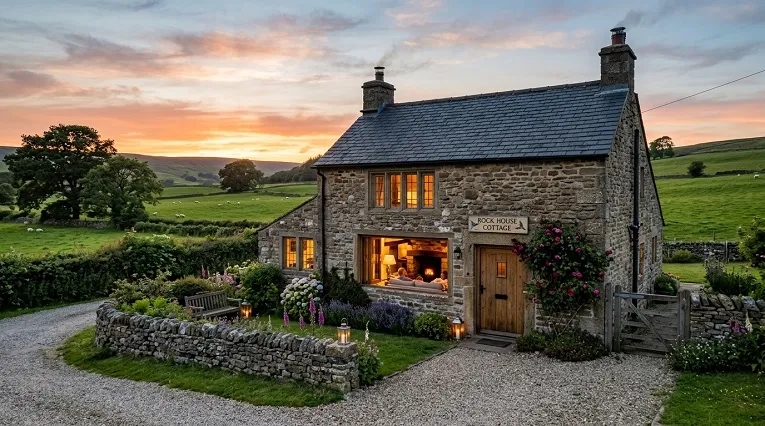
Scotland is self-catering country. Most stays are stone or whitewashed holiday cottages, timber log cabins tucked into forestry, and larger holiday homes for groups touring the glens by car. Croft conversions, shepherd’s huts, and lochside lodges fill the gaps. Gardens, wood burners, and hot tubs are common. A cottage suits Scotland because the country rewards staying put. One good base, explored properly, beats three rushed ones.
The country also holds two national parks. The Cairngorms is the largest national park in Britain, covering about 4,528 square kilometres, and it holds four of Scotland’s five highest mountains. Loch Lomond and The Trossachs is the other. Between the parks, the glens, the islands, and the long white-sand beaches of the north and west, there is enough variety for a dozen different holidays.
How to Pick Your Base: One Region, Not the Whole Country
Scotland is bigger and slower to cross than it looks, so choose one area and get to know it rather than trying to see everything. A first visit suits Inverness and Loch Ness, where the logistics are easy. Families do well in the Cairngorms, where there is plenty to do in any weather. Walkers head for Lochaber and Glen Coe. Photographers head for Skye and the west coast, and anyone who wants quiet heads for the far north.
Then decide between a village cottage and a remote one. A remote cottage gives you peace, space, and dark skies, but it means planning your shopping and driving single-track roads. A village cottage puts a shop, a pub, or a cafe within walking distance. Neither is better. It depends on what you want from the week.
Inverness and Loch Ness: The Easiest First Base
If this is your first trip to the Highlands, Inverness and Loch Ness is the easiest place to get right. Inverness is the Highland capital, with its own airport, a main-line station, and good road links, so you can land, pick up a hire car, and be unpacked at your cottage in well under an hour.
Loch Ness lies about twenty to thirty minutes south of the city, which means cottages along or near the lochside give you waterside scenery without cutting you off from shops and restaurants. The loch runs for about twenty-three miles through the Great Glen, and Urquhart Castle stands in ruins above its western shore. Culloden Battlefield, the site of the last pitched battle on British soil, sits just outside the city. Nairn, a sunny former fishing town on the Moray Firth with a long sandy beach, suits a quieter stay within reach of the city. The trade-off is that this is the busiest corner of the Highlands, and the main lochside viewpoints can feel busy by mid-morning in summer.
Aviemore and the Cairngorms: The All-Seasons Base
For an active break, the Cairngorms is the strongest all-round base in the Highlands. Aviemore and the Spey Valley sit at the heart of the largest national park in the country, and the area packs an unusual range of things to do into one region. In summer you have hillwalking, mountain biking, watersports on Loch Morlich, and the Speyside whisky trail. In winter the same area switches to snowsports, and the lower glens still work well for crisp walks and fireside evenings. Unlike the more exposed west coast, the Cairngorms works well in almost any season.
Aviemore is the main resort, ringed by pinewoods, ski slopes, and the Strathspey steam railway. It has the widest choice of places to stay in the Highlands, from small woodland cabins to larger lodges with hot tubs. The Spey villages towards Grantown-on-Spey and Boat of Garten add quieter options, and Newtonmore suits walking and wildlife. The Snow Roads scenic route runs about ninety miles over two of the highest public road passes in the United Kingdom. Families, walkers, and anyone who wants a base that works in January as well as July should start here.
Fort William, Glen Coe and Lochaber: Big Mountains From Your Door
Fort William and the surrounding west Highlands deliver the scenery most people picture when they imagine Scotland: steep peaks, deep glens, and roads that hug lochside cliffs. Ben Nevis, the highest mountain in the British Isles at 1,345 metres, stands above the town. This is the base for serious walkers.
Fort William itself is practical rather than pretty, and that is its strength as a base. It has supermarkets, outdoor shops, and places to eat, and the sleeper train from London stops here. The Road to the Isles runs west past Glenfinnan, where the viaduct and the 1745 monument stand at the head of Loch Shiel, to Mallaig and the ferry to Skye. Spean Bridge, just north of the town, suits a quieter stay near the Commando Memorial and the Caledonian Canal. The weather here is the wildest in Scotland, so a cottage with a drying room and a good fire earns its keep.
Isle of Skye and the West Coast: Drama, Ferries and Early Booking
Skye is the most dramatic and the most popular island in Scotland, and it needs the earliest booking. Portree is the harbour capital, with its row of painted houses above the bay, and it is the best base for a first visit because it has shops, restaurants, and the most cottages. The Trotternish loop north of Portree covers the Old Man of Storr, Kilt Rock, and the Quiraing in a half-day circuit, though the single-track road over the Quiraing is steep and narrow. The Cuillin mountains dominate the centre of the island, and Talisker distillery at Carbost has been running since 1830.
There are two ways onto the island. The Skye Bridge at Kyle of Lochalsh needs no ferry, and Eilean Donan Castle guards the road in. The CalMac ferry from Mallaig to Armadale is the prettier crossing, but the car space should be booked early in summer. The big car parks at Storr, the Fairy Pools, and the Quiraing charge and fill early in July and August, so start the day early. Cottages on Skye book up months ahead for the school holidays, and the west coast villages of Plockton, Applecross, and Gairloch suit a quieter stay on the mainland side.
The Far North and the NC500: Slow Roads and Empty Beaches
The North Coast 500 is a signed loop of 516 miles from Inverness, up the east coast to John o’ Groats, along the north coast to Durness, then down the west coast through Ullapool, Lochinver, Torridon, and Applecross. A week is about right for it, with seventy to eighty miles of driving a day plus time to stop. The east coast is gentle farmland and small towns. The north coast is open and windswept, with big empty beaches around Durness. The west coast is the reason people come: mountains straight out of the sea, sea lochs, and long single-track stretches through Assynt.
A cottage base works well here if you pick one stretch rather than trying to drive the whole loop from a single door. Ullapool suits the west coast, Durness suits the far north, and Thurso suits the north coast and a day trip to Orkney. The beaches are the surprise: Sango Bay at Durness and Achmelvich Bay in Assynt are among the finest in Scotland, and several held a Blue Flag in 2025. The road from Tornapress to Applecross climbs to 626 metres over the Bealach na Ba, with hairpins and gradients signed at up to twenty per cent, so check the cottage access road before you book. Fuel stations and phone signal are sparse out here, and the nights are properly dark.
Edinburgh, the Borders and Dumfries and Galloway: Gentler Scotland
Not every Scotland cottage holiday needs to be in the Highlands. Edinburgh is a city base with a castle, a proper old town, and day trips to the coast at North Berwick and the hills of the Pentlands. The Borders suit a gentler break: abbeys at Melrose, Kelso, and Jedburgh, river walks, and villages that feel properly off the tourist trail. Dumfries and Galloway, in the far south-west, has sandy bays, quiet beaches, and gentler driving than the Highlands, and it suits families and anyone on a first trip to Scotland who wants space without the long drive north.
The south is also the cheapest part of Scotland for a cottage, and the easiest to reach from England by road or rail. If you only have a long weekend, the south gives you a real Scotland break without spending two days of it on the road.
When to Go and What It Costs
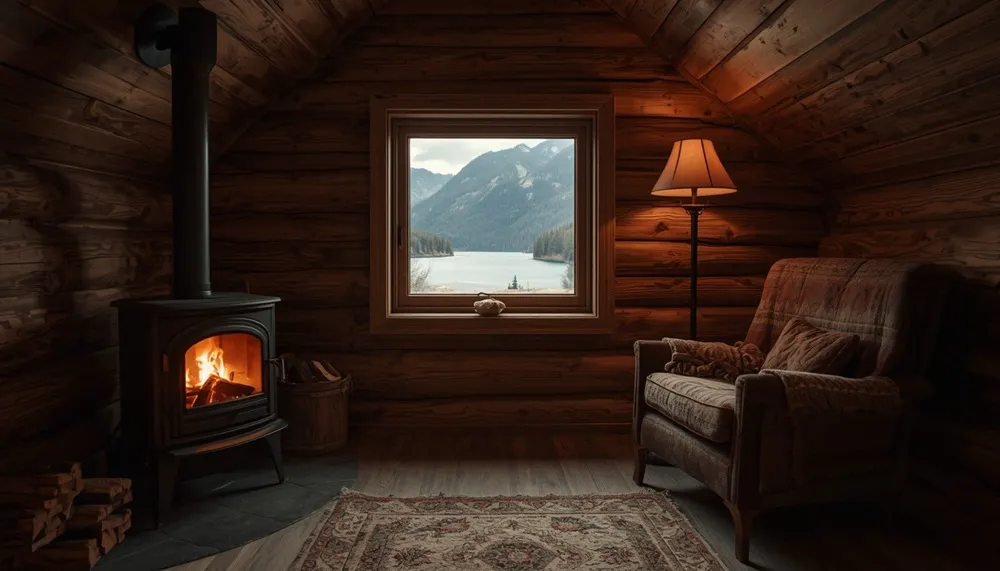
Spring, from April to June, brings long lengthening days and fresh green hills, and it is a good time for walking and for the islands. Lambing time in April and May means dogs need to be on a lead near sheep. Summer, in July and August, is the busiest time, with the longest days and the highest prices. Midges are at their worst on still, damp evenings in the west. Autumn, in September and October, brings quieter roads, autumn colour, and often settled weather, though deer stalking takes place on many hill estates. Winter, from November to March, means short days, dramatic weather, and the darkest skies, and some roads and passes can close in snow. See our guide to how much a UK cottage holiday costs for the full picture on pricing by region, size, and season.
Skye and the west coast cost more than the Borders or Dumfries and Galloway, and the school holidays push prices up everywhere. Work out the cost per person per night before you compare cottages, and check what is included: linen, heating, a pet fee, and a deposit all change the real total. Book the school holidays and the Christmas and New Year weeks months ahead. The best cottages on Skye and along the NC500 go first, and a late booking in August usually means a narrower choice at a higher price.
Driving, Ferries and Single-Track Roads: What to Expect
You will need a car for almost all cottages in Scotland. Places are spread out, public transport in the Highlands is limited, and many roads are single-track with passing places. Allow more time than the map suggests, and use the passing places to let faster traffic past. Fuel stations and charging points are far apart in the far north and open limited hours, so fill up when you can rather than when you must.
Islands are reached by CalMac ferry, or, for Skye, by the bridge, and summer ferries should be booked early. In winter, check the road and pass conditions before you set out, because snow can close the higher routes. Pick a base that keeps the daily drives short.
How to Choose Your Scotland Cottage: A Quick Checklist
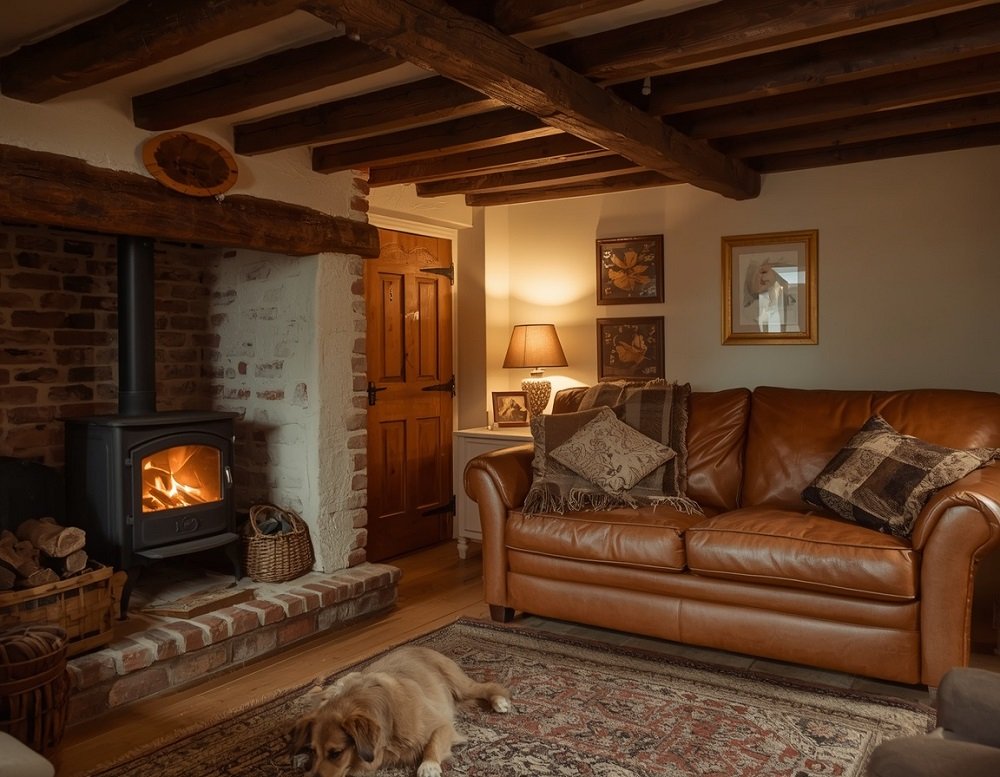
Start with the shape of your break. A week gives you one region properly. A long weekend means one base and short drives. Then check the changeover day: many cottages change over on a Friday or a Saturday, and in summer many ask for a week at least.
Then check the practical details. Parking matters, because village streets are narrow and some cottages have no space of their own. A shop and a pub within walking distance matter too, because a cottage miles from both means driving every evening. Ask about heating and whether it is included, and read the cancellation terms, including what happens to the deposit. Scotland has required a short-term let licence for holiday cottages since October 2022, with the licence issued by the local council, so a listing that states its licence number is a good sign. Ask the owner any question the listing does not answer.
Scotland rewards a slow base and a short list of plans. Pick one region, pick a village with a pub and a shop in walking distance, and book early for the school holidays.
Frequently Asked Questions
Do I need a car for a cottage holiday in Scotland?
For most bases, yes. Edinburgh and Inverness work without one, and the sleeper train reaches Fort William, but buses are thin and the glens, the islands, and the NC500 are hard to reach without a car.
When should I book a cottage on Skye?
Months ahead for July, August, and the school holidays, because the best cottages go first. Spring and autumn are easier to book, and the ferry car space should be booked early too.
Are dogs welcome in Scottish cottages?
Many cottages take dogs, but the checks still matter. Ask how many dogs are allowed, what the fee is, and whether the garden is enclosed. Keep the dog on a lead near sheep, especially in lambing season in April and May. See our guide to dog-friendly cottage holidays for the full checklist.
What is Scotland’s short-term let licence, and does it affect me as a guest?
Since October 2022, every short-term let in Scotland, including holiday cottages, needs a licence from its local council before it can take bookings. As a guest it means the cottage meets safety and management standards, and licensed listings often show the licence number. If a listing does not mention one, ask the owner before you book.
Is one week enough to see Scotland from a cottage base?
One week is enough for one region done well. The NC500 alone takes five to seven days, and Skye deserves four or five. Scotland as a whole needs several trips, so pick the region that matches this break and leave the rest for next time.