
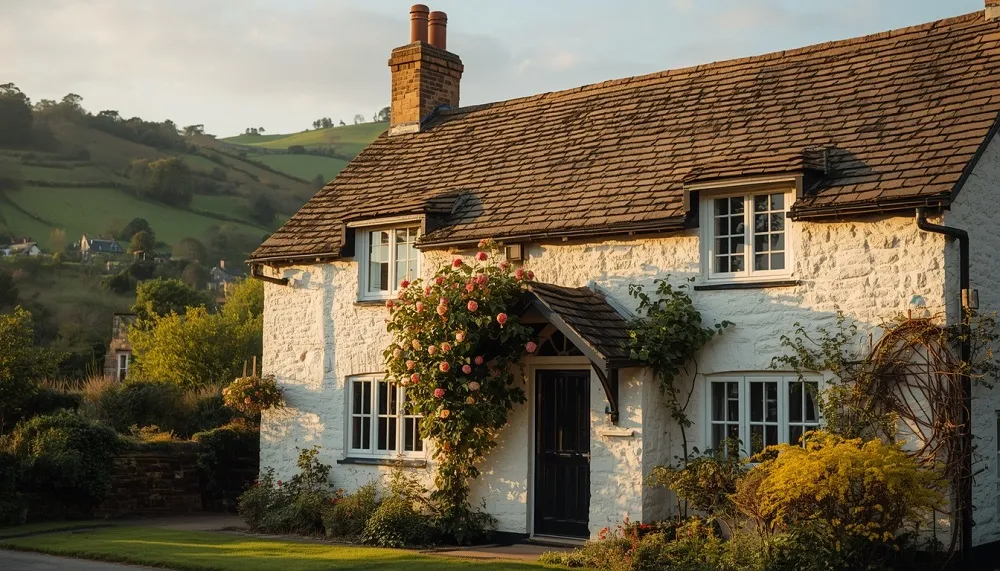
Northumberland Cottage Holidays: Best Villages to Stay In as a Base
Northumberland sits at the top of England, against the Scottish border, and it is the quietest corner of the country for a cottage holiday. The county holds England’s northernmost national park, about forty miles of castle-lined coast, and the best-preserved stretch of Hadrian’s Wall. The villages are small, the beaches are wide, and the night sky is dark enough to have won international protection. The catch is distance. Northumberland is a big county, and the drive from a Wall village to a coastal village can take well over an hour. Pick the wrong base and you spend the week in the car. Pick the right one and the beach, the pub, and the walk are all on foot.
This guide compares the best villages to stay in as a cottage base, coast and inland, so you can match the base to the break you want. If you are new to self-catering, start with our self-catering accommodation guide. Treat every price here as indicative, and verify it with the provider before you book.
Why Northumberland Suits a Cottage Holiday So Well
The national park sets the tone. Northumberland National Park is the northernmost national park in England. It was designated in 1956 and covers just over 1,050 square kilometres, from the Cheviot Hills on the Scottish border down to Hadrian’s Wall. Fewer than 2,000 people live inside it, and about seventy per cent of it is open moorland. Of all the national parks in England and Wales, it is the least populated and the least visited, which is exactly why it suits a cottage break. The walking starts at the door, the roads are quiet, and the villages keep their own pace.
The park is also one of the best places in England to see the stars. It holds Gold Tier status as an International Dark Sky Park, the largest such park in Europe, awarded in 2013. On a clear night the Milky Way is plain to see. The Cheviot, at 816 metres, is the highest hill in the park, and the Hadrian’s Wall Path runs 84 miles from coast to coast, with its most dramatic stretch along the crags between Housesteads and Steel Rigg. The Wall itself was built from 122 CE and became a UNESCO World Heritage Site in 1987.
Then there is the coast. The Northumberland coast runs for about forty miles from Amble up to Berwick-upon-Tweed, protected as a National Landscape, with castles at Bamburgh, Dunstanburgh, and Warkworth, and Alnwick Castle inland. The Farne Islands sit off Seahouses, and Holy Island is cut off by the tide twice a day. A cottage holiday works here because the county rewards staying put. One good village, explored properly, beats three rushed bases.
Coast or Inland: The First Choice to Make
Before you pick a village, pick a side. The coast gives you beaches, castles, boat trips, and fish and chips. Inland gives you the Wall, the hills, the dark skies, and lower prices. Both are worth a week, and neither is a good day trip from the other. The drive from Hexham to Bamburgh takes well over an hour each way, so a base on one side means the other side is a full day out, not a morning trip.
First-timers usually do better on the coast, because the villages are closer together and there is more to do in bad weather. Walkers and readers, and anyone who wants quiet, do better inland, where the cottages are cheaper and the nights are darker. If you cannot decide, Alnwick sits in the middle: a market town with the coast about half an hour away and the hills in the other direction.
The Best Villages to Stay In for a First Visit
If this is your first Northumberland trip, start with one of five bases. Alnwick is the best all-rounder: a market town with a castle, gardens, bookshops, and the coast half an hour away. Bamburgh is the best coastal base: a castle above a vast beach, with pubs and a village you can walk end to end. Seahouses suits boat trips and wildlife. Alnmouth suits a quieter stay with a train station. Hexham suits the Wall and the Tyne Valley. Berwick-upon-Tweed, a walled town on the main railway line, suits a car-free stay at the northern end. Each one is covered in detail below. The right choice depends on what your days will look like, not on which village photographs best.

Bamburgh, Seahouses, Beadnell and Craster: The Coastal Bases Compared
Bamburgh is the postcard village, and it earns it. The castle stands on a rocky outcrop above a dune-fringed beach that runs for miles, and the village itself is small enough to walk end to end, with pubs and a shop close to the cottages. Families, dog walkers, and horse riders share the sand, and the water is known for surfing. Cottages here are among the most sought after in the county, so book early and expect a premium in the school holidays.
Seahouses is the working alternative. It is a harbour village where the boats leave for the Farne Islands, home to seals and seabirds in the warmer months, and the fish and chips are the real thing. Its beach welcomes dogs and families, and the village is practical rather than pretty: harbour, shops, and places to eat, all within a short walk. It suits a family that wants boat trips and a beach without paying Bamburgh prices.
Beadnell and Craster suit a quieter coast. Beadnell has a small harbour, a west-facing beach, and watersports, with a slower pace than Seahouses. Craster is a small fishing village famous for its kippers, with a coastal path walk to the ruins of Dunstanburgh Castle. Embleton Bay, with Dunstanburgh Castle at the end of it, suits a quiet beach day. All three suit walkers and anyone who wants the coast without the crowds.
From any coastal base, Holy Island is a day trip, but plan it around the tide. The causeway floods twice a day, and Northumberland County Council publishes safe crossing times on its official crossing-times site. On Sunday 22 November 2026, for example, the road is safe from 03:05 to 10:35, then unsafe until 15:55, then safe again until 22:45. Always allow the extra 30 minutes the council advises, and never drive into rising water. For more on choosing a seaside base, see our guide to coastal cottage holidays.
Alnwick and Alnmouth: The Central and Car-Free Bases
Alnwick is a medieval market town and the best central base in the county. Its 11th-century castle, known as the Windsor of the North, was filmed as Hogwarts in the Harry Potter films, and The Alnwick Garden sits next to it. Barter Books, one of the largest second-hand bookshops in the country, draws readers from across the north. The town has independent shops, cafes, and a supermarket, and the A1 runs close by, so much of the coast is within about half an hour’s drive. A cottage in town suits a first visit. A cottage on the edge suits walkers who want the fields at the door.
Alnmouth is the quieter choice, and the better one without a car. It is an estuary village of pastel-coloured houses with a sandy beach, and it has a station on the East Coast Main Line, so a car-free break is possible: train to Alnmouth, then a local bus or a taxi to the cottage. There are fewer shops and places to eat than in Alnwick, and the pace is slower. It suits couples and anyone who wants to slow down rather than tick off a list.
Hexham, Corbridge and the Hadrian’s Wall Bases
Hexham is the best base for Hadrian’s Wall. It is a handsome market town on the Tyne Valley railway line between Newcastle and Carlisle, with an abbey, good shops, and the Wall sites a short drive away: Housesteads Roman Fort, Vindolanda, and the Wall Path itself. The AD122 bus runs along the Wall between April and September, linking the main sites and car parks, which makes a car-free Wall walk possible in the summer months. A cottage in Hexham suits walkers, history lovers, and anyone who wants a town with a proper high street after a day on the moors.
Corbridge is the smaller, quieter Wall base. It is a Roman village on the A68, with a Roman town site, pubs, and a village feel that Hexham, as a town, does not have. It suits a second visit, or walkers who want a village rather than a town. Bellingham, further north, is a practical base for Kielder and the quieter middle of the park. Wherever you base yourself along the Wall, check the opening days of the forts and museums before you plan the week, because several keep winter hours.
Rothbury, Wooler and Kielder: The Quiet Inland Bases
Rothbury sits on the River Coquet with Cragside, the National Trust house, nearby, and hills and dark skies in every direction. It is a good base for couples and walkers, with a village centre that has a pub, a shop, and a cafe. Check the opening hours before you book, because the village is small and the shops keep country hours.
Wooler is the gateway to the Cheviots, and it feels properly off the map. It suits hill walkers who want the border hills at the door and do not mind driving for a supermarket. Kielder, further west, is forest, reservoir, and the darkest skies in England, with family-friendly trails and an observatory for a clear night. Inland cottages are usually cheaper than coastal ones, and the trade is fewer places to eat out and a car that is hard to do without.
Dog-Friendly Bases and What to Check
Northumberland is one of the easiest counties in England for a dog, but the checks still matter. Seahouses beach welcomes dogs, and the long beaches at Bamburgh and Beadnell give a dog room to run. Ask the owner three things before you book: how many dogs are allowed, what the fee is, and whether the garden is enclosed. An enclosed garden matters most in winter, when it is dark by four in the afternoon.
On the moors and along the Wall, keep the dog on a lead near sheep and livestock, and check the cottage rules about leaving a dog alone in the property. Many coastal pubs welcome dogs, but ask before you sit down. The coast path is long and open, so bring water and a towel. A dog that swims in the North Sea will need drying before it comes back into a cottage with pale carpets.
What a Northumberland Cottage Holiday Costs
Northumberland is cheaper than Cornwall or the Cotswolds, but the coast commands a premium and the school holidays push prices up everywhere. As an indicative guide, two-bedroom cottages listed through Sykes in November 2026 started from around £342 a week in Bamburgh and £386 in Amble outside peak, with a two-bedroom cottage in Alnwick from around £580 a week and a larger Alnwick house from around £1,017 a week. Short breaks started from around £333. These are starting prices for the cheapest weeks, not averages, and peak weeks cost much more. See our guide to how much a UK cottage holiday costs for the full picture.
Work out the cost per person per night before you compare cottages, and check what is included: linen, heating, a pet fee, and a deposit all change the real total. A cottage that looks cheap and charges for heating by the meter in winter is not cheap. Book the school holidays months ahead. The best coastal cottages go first, and a late booking in August usually means a narrower choice at a higher price.
How to Choose Your Base and Book Well
Start with the shape of your break. A week gives you the coast and the Wall. A long weekend means one side only. Then check the changeover day: many cottages change over on a Friday or a Saturday, so a Friday-to-Friday week is the standard pattern, and a midweek arrival is not always possible. Check the minimum stay too. In summer many cottages ask for a week, and some ask for three or four nights at the least.
Then check the practical details. Parking matters, because village streets are narrow and some cottages have no space of their own. A shop and a pub within walking distance matter too, because a cottage miles from both means driving every evening. Ask about heating and whether it is included, and read the cancellation terms, including what happens to the deposit. Read the listing properly and ask the owner any question it does not answer. The best base is the one that fits your days, not the one with the prettiest photograph.
Northumberland rewards a slow base and a short list of plans. Pick the side that matches your break, pick a village with a pub and a shop in walking distance, and book early for the school holidays. The castle, the beach, the Wall, and the dark sky will all still be there in the morning.

Frequently Asked Questions
Where is the best place to stay in Northumberland for the first time?
Alnwick, for a central base with the coast close by, or Bamburgh, for the castle and the beach. Both have shops, pubs, and cottages to suit a first visit, and both keep you within easy reach of the coast and the Wall.
Do you need a car for a Northumberland cottage holiday?
For most bases, yes. Alnmouth and Berwick-upon-Tweed have main-line stations, and Hexham has the Tyne Valley line, but buses are thin and the Wall and the Cheviots are hard to reach without a car. If you stay in one village and walk from the door, a car-free break can work.
Can you visit Holy Island from a cottage base?
Yes, as a day trip from Bamburgh, Seahouses, or Belford. Check Northumberland County Council’s safe crossing times before you go, allow the extra 30 minutes the council advises, and never drive into rising water. The island’s shops and sites keep tide hours too, so plan the visit around the safe window, not around lunch.
When is the best time to book a Northumberland cottage?
Book the school holidays months ahead, because the best coastal cottages go first. Late spring and early autumn are good value, with long days and quieter villages, and the dark skies are at their best from autumn into winter.
How long should you stay in Northumberland?
Four nights covers one side properly, and a week covers the coast and the Wall. A short break of two or three nights works if you pick one base and stay close to it, rather than trying to see the whole county.
