
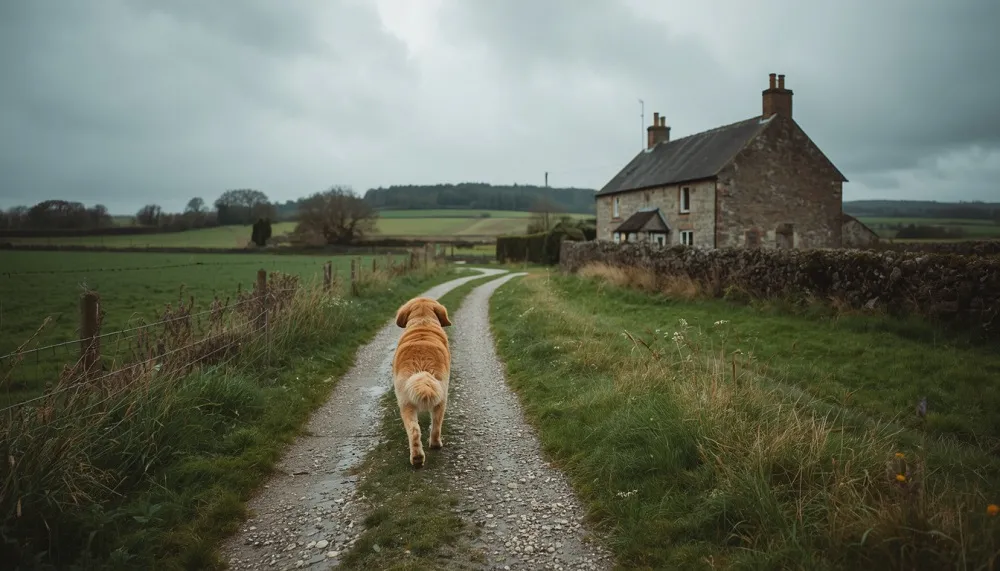
A cottage holiday with your dog sounds simple. You find a cottage that says it welcomes dogs, you book it, and you all enjoy a week in the countryside. In practice, the difference between a cottage that truly suits a dog and a cottage that merely tolerates one can decide whether the break feels relaxing or stressful. A garden that is not really enclosed, a rule about dogs on furniture that you only discover on arrival, or a cottage a long drive from the nearest walk can turn a good plan into a week of compromises.
This guide takes the guest angle, not the owner angle. It explains what to check before you pay, in the order that matters most when you are choosing a cottage. It covers the meaning of dog-friendly, enclosed gardens, dog numbers and fees, walks from the door, packing, rules that catch people out, and the regions that suit dog breaks best. If you are new to self-catering altogether, start with our self-catering accommodation guide, which explains what is usually included in a cottage and what is worth asking about before you book.
The central point is easy to remember. Do not book on the label alone. Book on the answers to a short list of specific questions about the garden, the rooms, the walks, and the total price. A cottage that answers those questions clearly is usually a cottage that has thought about dogs properly, and that is the cottage most likely to suit both you and your dog.
What “Dog-Friendly” Really Means: The Levels Behind the Label
Dog-friendly is not one standard. It is a label that covers a wide range of arrangements, and two cottages using the same word can offer very different stays. At the most basic level, a cottage may allow a dog in the property but expect the dog to stay in one room, or on the ground floor only. At the next level, a dog may be welcome throughout the cottage, with a bed provided and a garden to use. At the most genuinely dog-friendly level, the cottage is set up for dogs from the start, with an enclosed garden, easy-clean floors, a place to wash muddy paws, and clear information about local walks, beaches, and pubs.
The difference matters because dogs have different needs. An older dog needs easy access and a quiet sleeping spot, not stairs and a busy hallway. A young, energetic dog needs space and walks, not a small yard and a long drive to the nearest field. A nervous or reactive dog needs a garden where it cannot meet other dogs unexpectedly, and a cottage where it will not be left alone in an unfamiliar room. When you read a listing, ask which level it really offers, and do not assume the best level just because the word dog-friendly appears in the title.
Look for detail in the listing itself. A good listing says how many dogs are welcome, whether there are size or breed restrictions, which rooms dogs may use, whether dogs may be left alone in the cottage, and what the garden is like. A vague listing that only says dogs welcome, with no further detail, is a sign to ask questions before you book. The answers will tell you more than the label ever will, and a provider who answers clearly is usually a provider who will be helpful during the stay as well.
It also helps to think about your own dog honestly. If your dog barks when left alone, a cottage that forbids leaving dogs unattended will not suit a trip where you plan long days out without the dog. If your dog sheds heavily, a cottage with light carpets and strict furniture rules may cause friction. Matching the cottage to the dog, rather than hoping the dog adapts to the cottage, is the simplest way to avoid problems.
The Enclosed Garden: What to Check Before You Trust It
For many dog owners, the enclosed garden is the single most important feature of a cottage, and also the one most often misunderstood. Enclosed can mean a fully fenced garden with a gate that closes properly, or it can mean a garden with a low wall, a hedge with gaps, or a fence that a determined dog could jump or dig under. It can also mean that only part of the garden is enclosed, while the rest is open to a lane, a field, or a neighbouring property. Before you book, you need to know which version you are getting.
Ask four specific questions. First, is the whole garden enclosed, or only part of it. Second, how high is the fence or wall, and is there a gate that latches securely. Third, are there gaps under the fence, gaps in hedges, or access to livestock fields. Fourth, can the dog go out unsupervised, or must it be supervised at all times. The answers to those four questions will tell you whether you can relax with a cup of tea while your dog explores, or whether every garden visit will need your full attention.
Think about your dog’s size and behaviour too. A small dog may slip through a gap that would stop a larger dog. A dog that jumps may clear a low fence that looks secure in a photograph. A dog that digs may find a weak spot under a fence in minutes. A dog that is reactive to other dogs or to livestock needs a garden where it will not suddenly meet another animal through a hedge. Photographs rarely show these details, so ask for a plain description, and be wary of any answer that avoids the specifics.
Also check what the garden is used for. A shared garden is very different from a private garden. If other guests, the owner, or neighbouring cottages share the space, your dog will meet other people and possibly other dogs, and you will need to agree on how that works. A private garden gives you control, but it still needs to be secure. If the listing says enclosed garden, treat it as a claim to verify, not as a fact, and get the details in writing before you pay.
How Many Dogs, What Size, and What the Pet Fee Covers
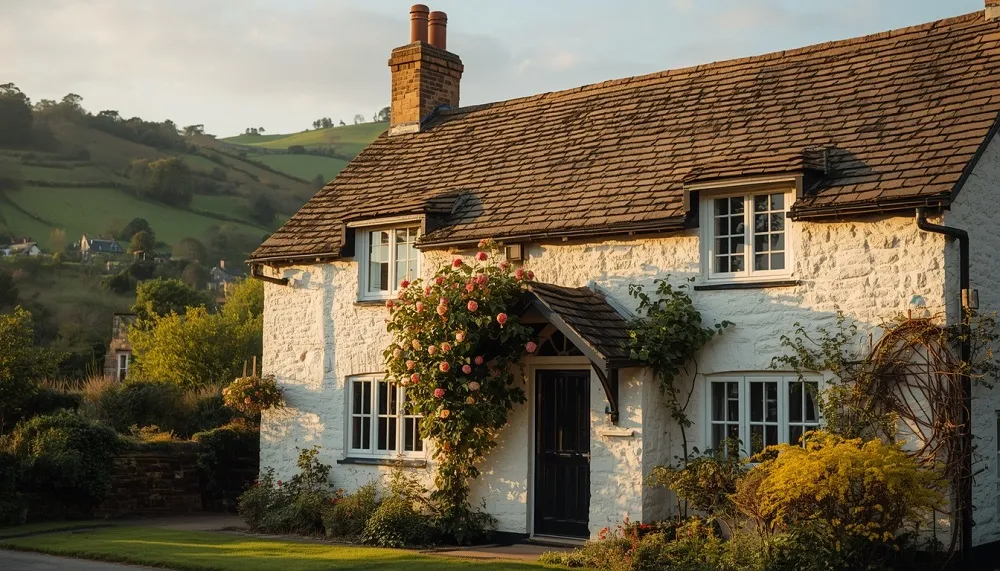
Dog numbers and fees vary widely, and both need checking before you book. Some cottages welcome one dog only. Others welcome two dogs, and a smaller number welcome three or more. If you have two dogs, do not assume a dog-friendly cottage will take both. Ask directly, and check whether the second dog costs extra, or whether there is a maximum number for the cottage as a whole.
Size and breed rules also vary. Some cottages have no size limit. Others set a limit, or exclude certain breeds, or ask for details about your dog before confirming. These rules are usually set by the owner or the insurer, and they are rarely negotiable after booking. It is far better to discover a restriction before you pay than to arrive and face an awkward conversation, or worse, a refused stay. Be honest about your dog’s size and breed when you enquire, and keep the answer you receive.
Pet fees work in different ways. Some cottages charge a fee per dog, per stay. Others charge per dog, per night. Some include the fee in the headline price, while others add it at booking. A fee may cover extra cleaning, or it may be a simple charge for accepting a dog at all. Ask what the fee covers, whether it is refundable, and whether it changes if you bring a second dog. Treat any price you see as indicative until you verify the total with the provider, because the headline price and the final price can differ once pet charges, cleaning charges, and deposits are added. For a fuller picture of how cottage prices are built up, see how much a UK cottage holiday costs, which breaks down regions, sizes, seasons, and hidden extras.
Deposits and damage terms also deserve attention. Some cottages ask for a refundable deposit, or a damage waiver, when a dog stays. Others rely on a general booking deposit. Ask what counts as damage, how it is assessed, and how quickly a deposit is returned. A clear answer protects both sides, and it avoids a dispute at the end of a holiday that should have ended well.
Walks From the Door, Beaches, and Dog-Friendly Pubs
A cottage can be perfect inside and still disappoint if every walk needs a car journey. Walks from the door matter because dogs need exercise more than once a day, and a cottage with a lane, a field path, or a riverside walk nearby makes the whole break easier. Ask how far the nearest off-lead walk is, whether it is reachable on foot, and whether it is suitable in wet weather. A walk that is lovely in summer but waterlogged in winter may not suit a November break.
Beaches need separate checking, because beach rules for dogs vary by beach, by council, and by season. Some beaches welcome dogs all year. Others restrict dogs during the summer months, or on certain sections of the beach, or at certain times of day. A cottage near the coast is not automatically a cottage near a dog-friendly beach, and a beach that allows dogs in January may not allow them in August. Check the specific beach, the specific season, and the specific rules before you choose a coastal cottage for a summer break.
Pubs, cafes, and attractions also vary. Many country pubs welcome dogs, but not all do, and some welcome dogs only in certain areas, such as a bar or a garden, rather than a restaurant. If you plan to eat out, check a few local options in advance, rather than assuming you will find one on the night. The same applies to gardens, stately homes, and other attractions, where dog rules can differ from one property to another, even within the same area.
Walking routes near a cottage base can also shape your choice of region. The best places to stay in the Yorkshire Dales guide explains how the main bases differ, which helps if you want walks straight from the village. In Devon, our self-catering cottage Devon guide covers a Dartmoor-edge base, where moor walks, lanes, and village pubs sit close together. Choosing the base for its walks, not just for its cottage, is often the difference between a good dog break and a great one.

What to Pack for Your Dog in a Self-Catering Cottage
Packing for a dog in a self-catering cottage is different from packing for a hotel stay, because the cottage will not provide dog items unless it says so. Start with the essentials that make a strange place feel familiar. Your dog’s own bed, or a familiar blanket, helps it settle on the first night. Its usual food, measured for the trip plus a spare day, avoids a search for a local shop that stocks the right brand. Bowls, a lead, a long lead for safe off-lead practice, and poo bags are basics, but they are easy to forget when you are packing for people as well.
Add items for the cottage itself. A towel for muddy paws, and ideally a second towel for wet coats, will protect both the cottage and your car. A portable water bowl is useful for walks and for car journeys. If your dog is allowed on furniture, bring a cover or a blanket to protect sofas, and check the cottage rules first rather than assuming. If your dog is not allowed on furniture, bring a bed that is comfortable enough that it will choose the bed over the sofa.
Think about safety and health too. Bring any medication your dog needs, with enough for the trip plus a spare day, and keep it in its original packaging. Bring your vet’s details, or at least the name of a vet near the cottage, in case of illness or injury. A basic first aid kit for dogs, including tick removal tools if you will be walking in grass or woodland, is worth packing. In summer, bring shade and water for walks, and never leave a dog in a hot car or a hot conservatory.
Finally, pack for the cottage kitchen and for your own routine. A self-catering cottage gives you a kitchen, which makes feeding a dog at its usual times much easier than in a hotel. Our self-catering accommodation guide explains what kitchens usually include, so you can judge what to bring and what to leave at home. If your dog needs a quiet feeding spot away from children or other dogs, check that the cottage layout allows it before you book.
Cottage Rules That Catch Dog Owners Out
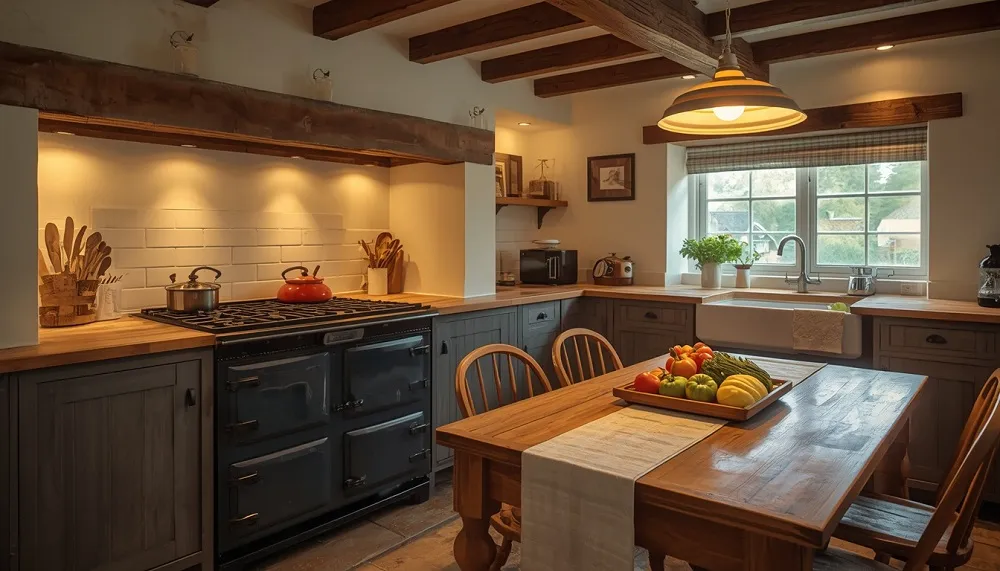
Most problems on a dog-friendly cottage break come not from the dog, but from a rule that was not clear before booking. The most common surprise is the rule about leaving a dog alone in the cottage. Some cottages allow it for short periods. Others forbid it entirely, because a dog left alone in a strange place may bark, scratch doors, or become distressed. If you plan days out without your dog, this rule alone can decide whether a cottage suits you, so ask about it directly.
Other rules to check include dogs on beds and furniture, dogs upstairs, dogs in bedrooms, and dogs in specific rooms such as a room with a hot tub or a log burner. A cottage with a hot tub, for example, may have separate rules for the tub area, for wet dogs, and for dogs in the garden near the tub. Our cottage with a hot tub guide explains the private versus shared difference, which also matters for dogs, because a shared hot tub area is a shared space with other guests.
Cleaning rules also catch people out. Some cottages expect you to vacuum, or to leave the cottage as you found it, while others include a full clean in the price. A dog that moults, or that brings mud indoors, will make cleaning more important, so ask what is expected and whether the pet fee covers extra cleaning. A clear cleaning expectation avoids a dispute and a surprise charge at the end of the stay.
Noise and behaviour rules deserve the same attention. A cottage in a quiet village, or a cottage with neighbours close by, may have a rule about barking, especially at night. A dog that barks when it hears other dogs, or when it is left alone, may not suit a terraced cottage with thin walls. Being honest about your dog’s behaviour, and choosing a cottage that fits it, is fairer to the dog, to you, and to the neighbours.
Best Regions in the UK for a Dog-Friendly Cottage Break
Almost every UK region has dog-friendly cottages, but some regions suit dog breaks better because of their walks, beaches, and pubs. The Yorkshire Dales suit walkers, with villages, dales, and moorland paths close to cottage bases, and many pubs that welcome dogs. The Lake District suits walkers too, but it needs more careful planning for parking, for busy paths in peak season, and for livestock on fells. Devon and Dartmoor suit dogs that enjoy open moorland, coastal paths, and village pubs, with the added need to respect livestock and moorland rules.
Cornwall suits coastal dog breaks, with beaches, harbour villages, and the South West Coast Path, but beach restrictions in summer need checking beach by beach. Wales suits both coastal and mountain breaks, with Snowdonia, Pembrokeshire, and the Brecon Beacons offering very different walks from similar cottage bases. The Cotswolds suit quieter village breaks, with lanes, pubs, and gentle walks, and they suit older dogs or dogs that prefer shorter walks to long mountain days.
When you choose a region, think about the season as well as the landscape. A region that is perfect in May may be crowded in August, or muddy in February. A coastal region may be best outside the summer beach restrictions, while a mountain region may be best when days are longer and paths are drier. Our guide on when to book a UK cottage holiday explains lead times, cheaper months, and short break rules, which can help you pick a season that suits both your diary and your dog.
If you want a more luxurious base for a dog break, check the luxury angle carefully too. A luxury cottage may offer a larger garden, better floors, and more space, but it may also have stricter rules about furniture, cleaning, and dogs in certain rooms. Our luxury holiday cottage stay guide explains which luxury features are genuinely worth paying for, and which are simply nice to have, so you can judge whether the extra cost suits a break with a dog.
A Final Checklist Before You Pay
Use this checklist as a last step before you confirm any dog-friendly cottage booking. If any answer is unclear, ask again, and do not pay until you have it in writing.
- Dog numbers: how many dogs are welcome, and are there size or breed restrictions.
- Garden: is it fully enclosed, how high is the fence or wall, does the gate latch, and are there gaps or shared areas.
- Rooms: which rooms may dogs use, may dogs go upstairs or on furniture, and may dogs be left alone in the cottage.
- Fee and total price: what is the pet fee, what does it cover, and what is the full total including cleaning, deposits, and any other charges, verified with the provider.
- Walks and beaches: how far is the nearest walk on foot, is there an off-lead area nearby, and what are the beach rules for your dates.
- Cleaning and damage: what cleaning is expected, what counts as damage, and how is a deposit returned.
- Cancellation: what happens if your dog is ill, or your plans change, and what are the cancellation terms.
A cottage that passes this checklist is not just dog-friendly on paper. It is a cottage that has thought about dogs, about guests, and about the practical details that make a break work. That is the cottage most likely to give you and your dog a holiday you will want to repeat, and a base you will recommend to other dog owners.
Frequently Asked Questions
What does dog-friendly really mean in a UK cottage listing?
It means the cottage accepts dogs, but the details vary widely. Some cottages allow dogs in only one room, others allow dogs throughout the cottage with an enclosed garden. Always ask about dog numbers, rooms, garden security, and rules about leaving a dog alone before you book.
How do I check if a cottage garden is truly enclosed?
Ask whether the whole garden is enclosed, how high the fence or wall is, whether the gate latches securely, and whether there are gaps, hedges, or shared areas. Check the answers against your own dog’s size, jumping, digging, and reactivity, and get the details in writing.
Do UK cottages charge extra for dogs?
Many do, and the charge varies. Some charge per dog per stay, others per dog per night, and some include it in the headline price. Ask what the fee covers, whether a second dog costs extra, and what the full total is, verified with the provider, before you pay.
Can I leave my dog alone in a self-catering cottage?
It depends on the cottage. Some allow short periods alone, others forbid it entirely, because a dog in a strange place may bark or become distressed. If you plan days out without your dog, confirm this rule before you book, rather than assuming it.
Are UK beaches dog-friendly all year?
No, beach rules vary by beach, by council, and by season. Some beaches welcome dogs all year, while others restrict dogs in summer, on certain sections, or at certain times. Check the specific beach and your specific dates before choosing a coastal cottage.


